


Ever walk into a room and instantly feel like you have stepped into an oven, even though the rest of your house feels perfectly comfortable? If so, you are not imagining it. Many homeowners struggle with a single hot room that seems to defy the thermostat. This makes it uncomfortable to relax, work, or even sleep. It is not just irritating, it can also drive up energy bills as your AC or cooling system works harder trying to balance the temperature.
So, why does this happen? Often, the culprit is not your HVAC system or insulation alone. A lot of heat enters a room through the windows. Sunlight streaming in, especially through south- or west-facing windows, can raise the temperature dramatically. Standard blinds or curtains offer limited relief and sometimes block the natural light you want to enjoy.
This is where window films come in. Modern residential window films are designed to block a significant amount of solar heat while still allowing light to enter. They also reduce glare, protect furniture from fading, and help maintain a consistent, comfortable temperature throughout your home.
In this article, we will explore the science behind why one room gets hotter than the rest, how window films work, the different types available, and real-world examples of homes transformed. By the end, you will understand why window films are a simple, cost-effective solution to reclaim comfort in every room.
One room in your house feeling hotter than the rest is a common issue, and it is usually caused by a combination of factors. Understanding these causes can help you address the problem effectively, especially when considering solutions like window films.
Windows play a major role in how heat enters your home. South- or west-facing windows receive the most direct sunlight during the day, which can significantly raise the temperature in a room. Even energy-efficient windows allow some solar heat to pass through, warming the air inside. Rooms with large windows or sliding glass doors are particularly prone to becoming hot spots.
Another key factor is how well the room is insulated. Walls, ceilings, and floors that do not have sufficient insulation allow heat to enter or get trapped more easily. In addition, poor airflow can make the heat feel worse. Closed doors, blocked vents, or furniture that obstructs air circulation can prevent your HVAC system from distributing cool air evenly, leaving certain rooms warmer than others.
Electronic devices and lighting can also contribute to excess heat. Computers, televisions, gaming consoles, and even certain types of light bulbs generate heat while in use. In smaller rooms or spaces with limited ventilation, these heat sources can add up, making the room noticeably warmer than the rest of the house.
Many homeowners assume that the HVAC system alone is responsible for the temperature difference. While heating and cooling systems are important, the windows are often the main source of the problem. Heat enters quickly through glass, and without a way to block it, no amount of air conditioning can fully solve the issue.
By understanding these causes, you can see why one room heats up more than others. In the next section, we will explore the science behind how sunlight and heat actually enter a room, which will make it clear why window films are such an effective solution.
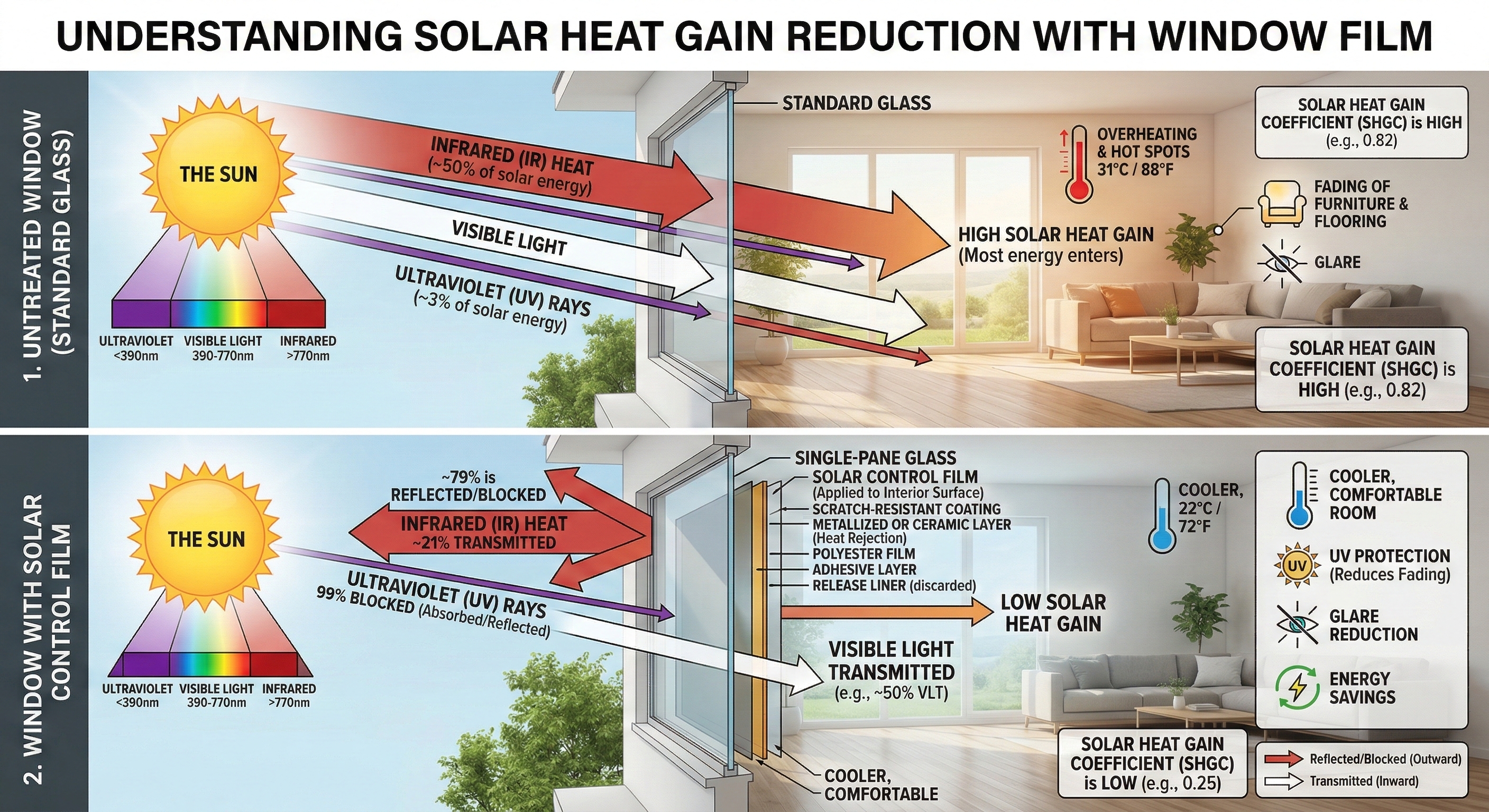
Understanding why one room becomes hotter than others starts with the way sunlight interacts with windows. Not all heat in a room comes from the air conditioning or insulation. A significant amount enters through the glass itself. By knowing the science behind solar heat gain, you can see why solutions like window films are so effective.
Windows allow solar energy to enter your home. Sunlight contains visible light, infrared radiation, and ultraviolet rays. When sunlight passes through the glass, infrared energy heats the air and surfaces inside the room. Standard single-pane windows or older double-pane designs let a considerable amount of this heat pass through, raising the room temperature quickly. Even with energy-efficient windows, some heat can still enter, especially in rooms that receive strong direct sunlight.
Ultraviolet (UV) rays are invisible but contribute to heat and damage in your home. They can fade furniture, flooring, and artwork over time. Infrared radiation carries thermal energy that your skin and objects absorb, which makes the room feel warmer. Unlike visible light, which illuminates your space, infrared adds heat without you noticing it until the temperature rises.
Visible light also plays a role, though it does not produce as much heat as infrared radiation. However, intense sunlight can create glare that makes a room uncomfortable. Blocking some of this light without sacrificing natural brightness can improve comfort while maintaining visibility.
Window films are designed to address these factors. They selectively block infrared and UV radiation while allowing visible light to pass through. This reduces heat gain and glare while protecting your home’s interior. By limiting the energy that enters through the glass, a room that once felt unbearably hot can maintain a more consistent temperature throughout the day.
Understanding these principles helps explain why one room gets hotter than others. In the next section, we will explore exactly how window films reduce heat and make your home more comfortable.
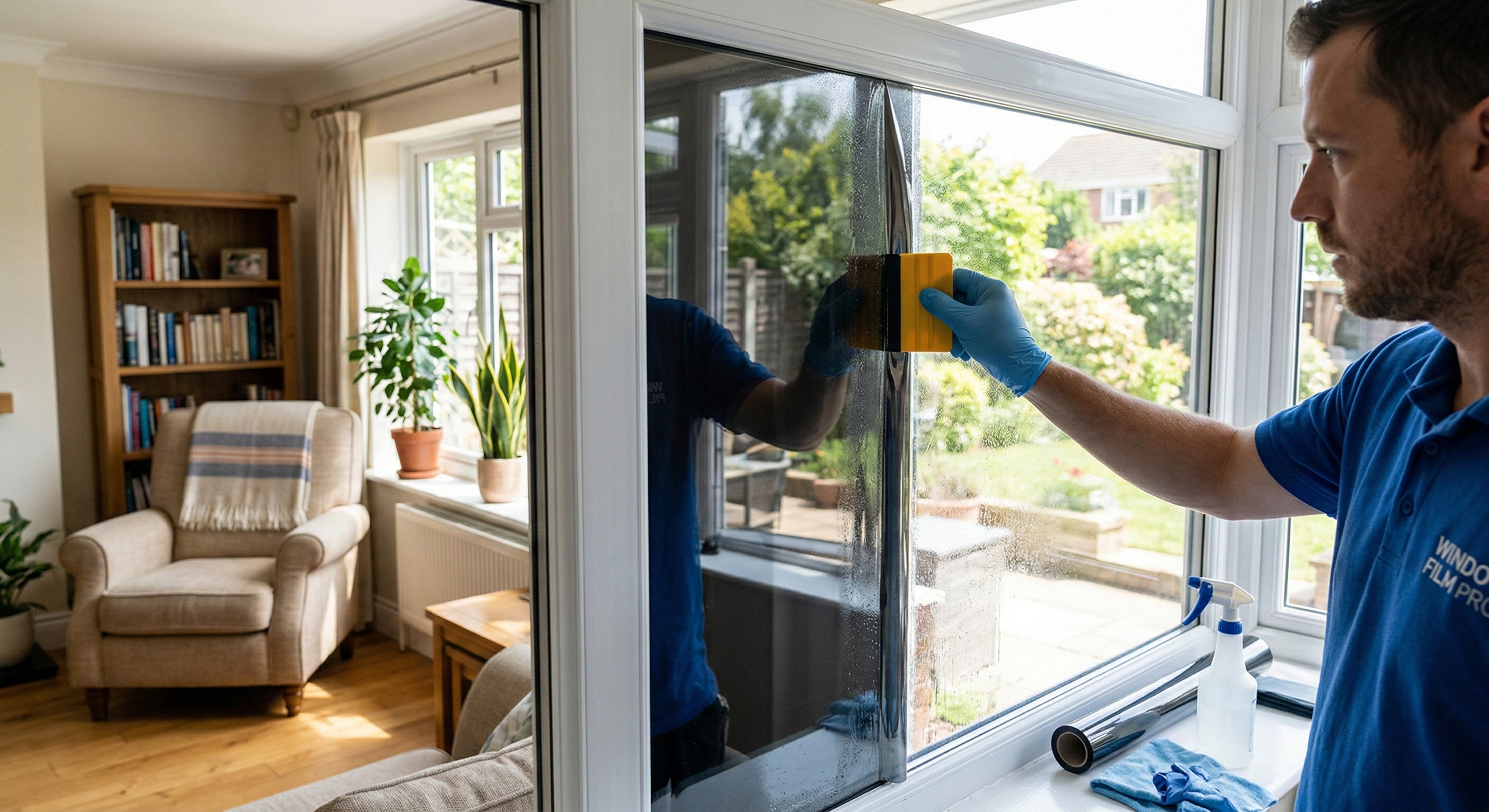
If one room in your house always feels hotter than the rest, installing window films can be a game-changer. Unlike blinds or curtains that only partially block sunlight, window films directly reduce the amount of solar heat entering through the glass. They provide a long-term solution that improves comfort, protects your home, and can even reduce energy bills.
Window films are designed to reflect and absorb solar energy before it reaches your living space. High-quality films can block up to 80 percent of infrared heat, which is the main source of sunlight-induced warmth. By reducing heat gain, window films help your air conditioning system maintain a stable temperature. This not only keeps the hot room cooler but also lowers energy usage, leading to noticeable savings on your monthly utility bills.
In addition to heat reduction, window films block up to 99 percent of harmful ultraviolet (UV) rays. UV rays are responsible for fading furniture, flooring, artwork, and even fabrics over time. A room with heavy sun exposure can quickly damage interiors without protection. Window films shield your belongings while keeping the space bright and inviting.
One of the advantages of window films is that they maintain natural light. Unlike heavy curtains or shades, films allow you to enjoy the view and daylight while minimizing glare and excessive heat. This makes rooms more pleasant to use for work, relaxation, or family activities.
Homeowners who install window films often notice a significant drop in temperature, especially in south- and west-facing rooms. For example, a living room with large west-facing windows can cool by 10 to 15 degrees during peak sunlight hours. This demonstrates how effective films are at solving the hot-room problem while improving overall home comfort.
Beyond immediate comfort, window films contribute to energy efficiency and home value. They are a cost-effective solution compared with replacing windows or constantly adjusting HVAC systems. Over time, the reduction in energy costs, combined with the protection they offer, makes window films a smart investment for any home experiencing uneven heating.
By addressing heat gain, UV exposure, and glare, window films create a balanced environment. The next section will explain the different types of window films and help you choose the right one for your hot room.
Not all window films are the same. Choosing the right type for your home depends on the room’s sun exposure, your comfort needs, and your aesthetic preferences. Understanding the main types of films can help you make an informed decision.
Reflective window films have a metallic coating that bounces sunlight away from the glass. They are especially effective for rooms that receive intense sun during the afternoon. These films reduce heat and glare, making rooms cooler and more comfortable. Reflective films also provide privacy during daylight hours without blocking natural light.
Ceramic window films are made from non-metallic, nano-ceramic particles. They block infrared heat and UV rays while letting visible light pass through. These films do not interfere with electronics or Wi-Fi signals and maintain a clear view outside. They are an excellent choice for homeowners who want maximum heat reduction without darkening the room. Infrared rejection films focus on filtering infrared energy specifically, which helps keep interiors cooler even during peak sunlight hours.
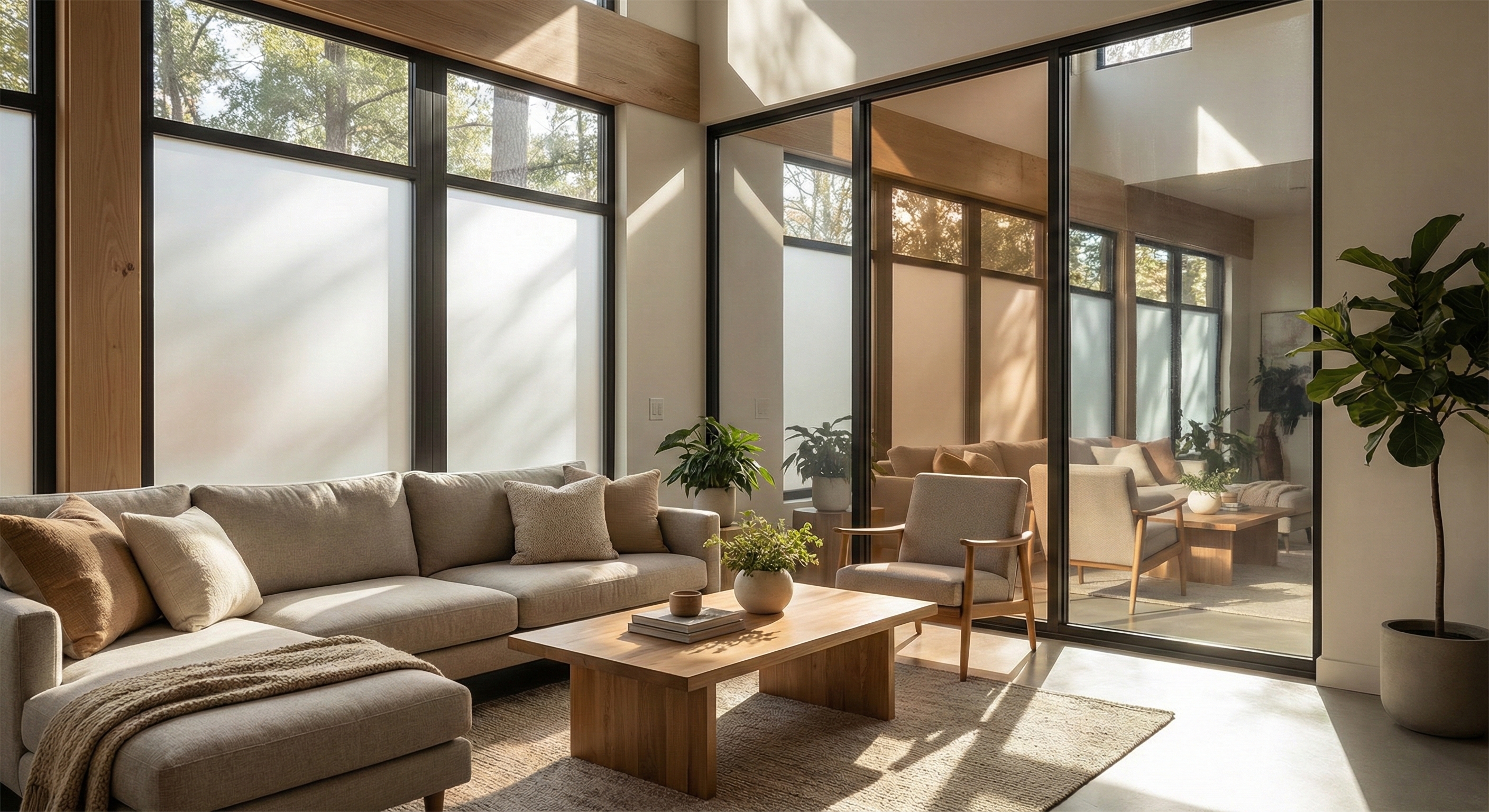
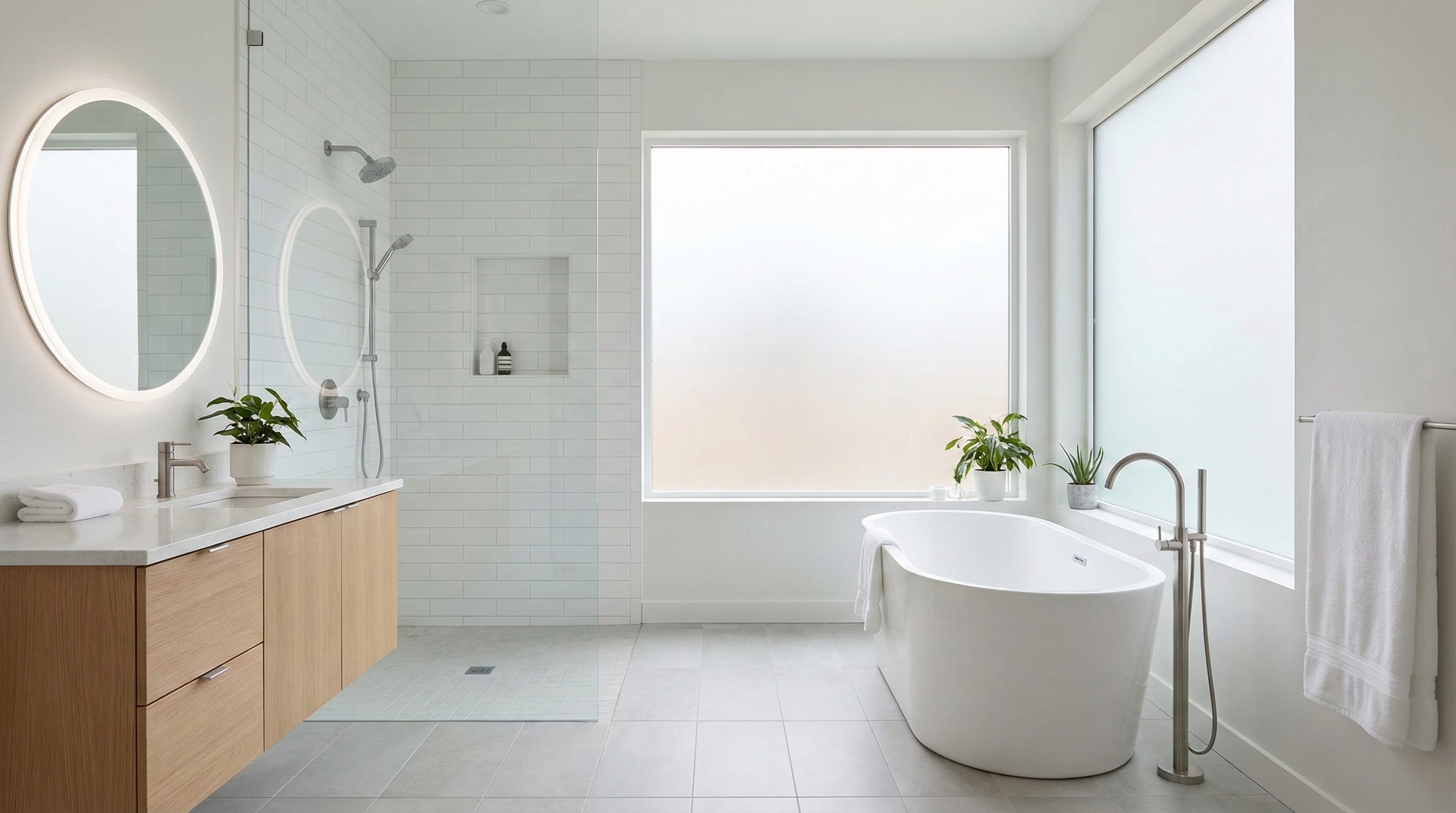
Decorative window films offer design and privacy benefits along with moderate heat and glare reduction. They are available in frosted, etched, or patterned designs. While they do not block as much heat as reflective or ceramic films, they are ideal for bathrooms, home offices, or areas where privacy is a priority.
To select the best window film, consider the room’s orientation and daily sun exposure. South- and west-facing rooms benefit most from reflective or ceramic films because they experience the highest heat gain. For rooms with less intense sunlight, decorative films may be sufficient to reduce glare and provide privacy. Professional consultation can help determine the right type and grade of film for your windows, ensuring optimal comfort and energy efficiency.
Learn more about residential window film services.
Professional installation ensures that films are applied evenly, free of bubbles, and securely adhered. Most high-quality films last 10 to 20 years with minimal maintenance. Proper care involves cleaning with non-abrasive materials and avoiding harsh chemicals. By choosing the right type of window film and installing it correctly, you can maintain a consistent temperature in your home and enjoy long-term benefits.
Understanding the different options makes it easier to decide which window film will solve the hot-room problem effectively. The next section will show real-world examples of homes that have been transformed by window films.
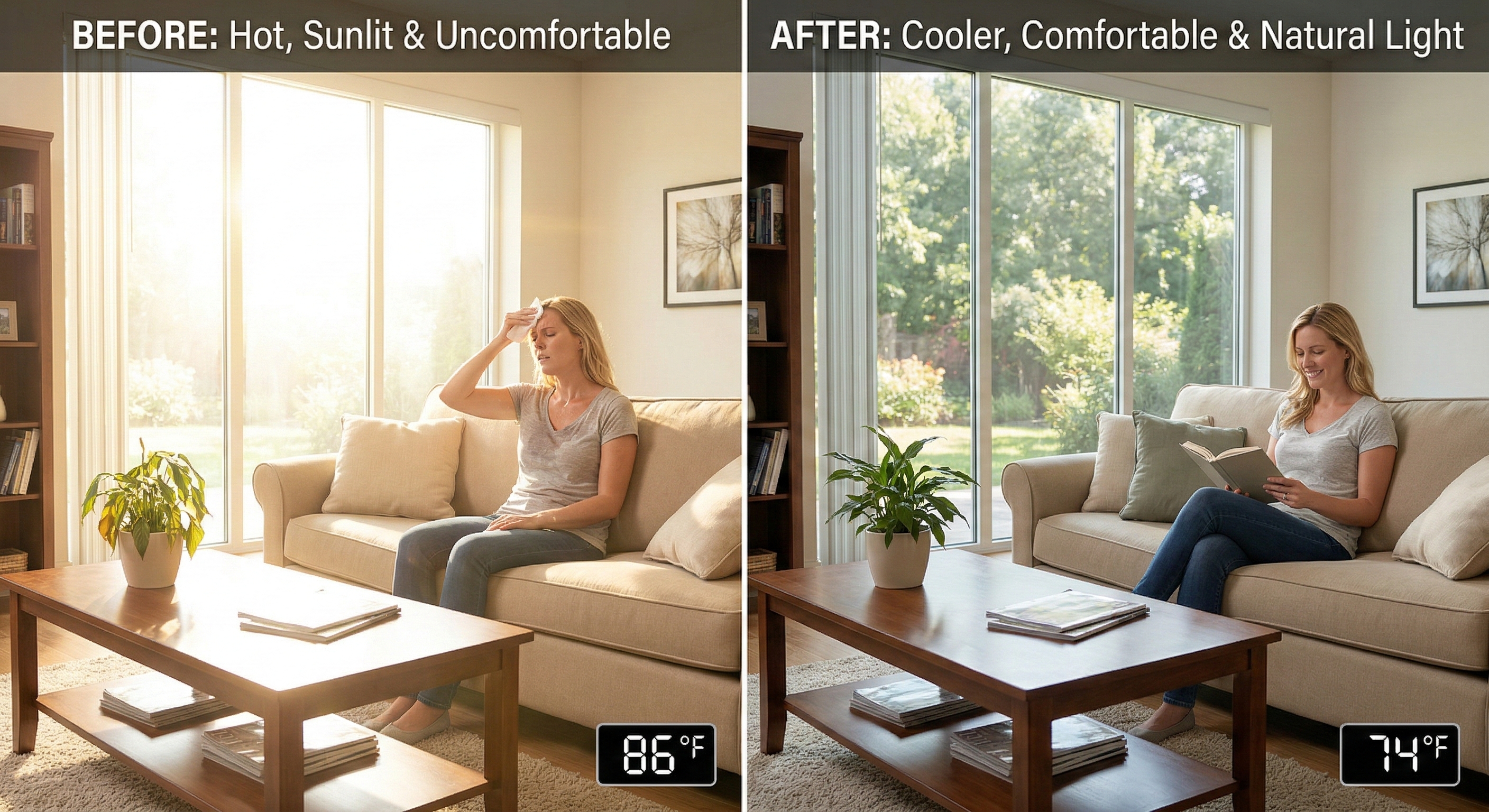
Window films have transformed homes that struggled with hot, uncomfortable rooms. By reducing solar heat gain and improving energy efficiency, homeowners can enjoy a cooler, more balanced environment without major renovations.
In one example, a living room with large west-facing windows constantly reached uncomfortable temperatures during the afternoon. After installing a reflective window film, the room temperature dropped by about 12 degrees. The homeowner reported that they no longer needed to adjust the thermostat or use additional fans, and the glare on the TV was greatly reduced.
Another case involved a home office with south-facing windows. The room received intense morning sunlight that made working uncomfortable. A ceramic infrared-rejection film was installed, blocking most of the infrared heat while maintaining natural light. The result was a room that stayed consistently cooler, allowing the homeowner to work comfortably without raising the AC.
Even rooms with moderate sun exposure benefit from window films. A bedroom with a large sliding glass door used a decorative privacy film to reduce glare and soften heat entering the room. The homeowners noticed improved sleep quality as the room remained cooler in the mornings.
These examples show that no matter the room’s size, orientation, or sunlight intensity, window films can help regulate temperature, reduce energy costs, and protect furniture and flooring from fading. Homeowners often find that what was once the hottest room in the house becomes one of the most comfortable spaces.
By seeing real results, it becomes clear why window films are an effective, long-term solution for uneven home temperatures. The next section will address common questions about window films for hot rooms.
Many homeowners have questions about using window films to solve hot-room problems. Here are the answers to the most common concerns.
Yes. High-quality films, especially ceramic or infrared-rejection types, block heat and UV rays while allowing most visible light to pass through. You can enjoy a cooler room without losing natural brightness.
Rooms with intense afternoon or morning sun benefit most from reflective or ceramic films. These films reduce infrared heat effectively and can keep your space comfortable throughout the day.
Energy savings depend on sun exposure, room size, and your cooling system. On average, homeowners can reduce energy costs by 10 to 30 percent by minimizing heat gain with window films.
Professional installation ensures that the film is applied smoothly, without bubbles or wrinkles. Proper installation also maximizes the heat-blocking and UV protection benefits.
Most window films are compatible with single-pane, double-pane, and tinted windows. Some films are specifically designed for low-e or coated glass. A professional can help you choose the right film for your windows.
By addressing these common questions, you can feel confident that window films are an effective, long-term solution for keeping hot rooms comfortable and energy-efficient.
One hot room should not dictate your comfort or increase your energy bills. Window films offer a simple, long-lasting solution that blocks heat, reduces glare, and protects your furniture from UV damage. Whether you choose reflective, ceramic, or decorative films, the right window film can balance your home’s temperature and enhance comfort throughout the day. By addressing the root cause of uneven heat, window films help you reclaim control over your living spaces.

No Comments Yet
Let us know what you think