

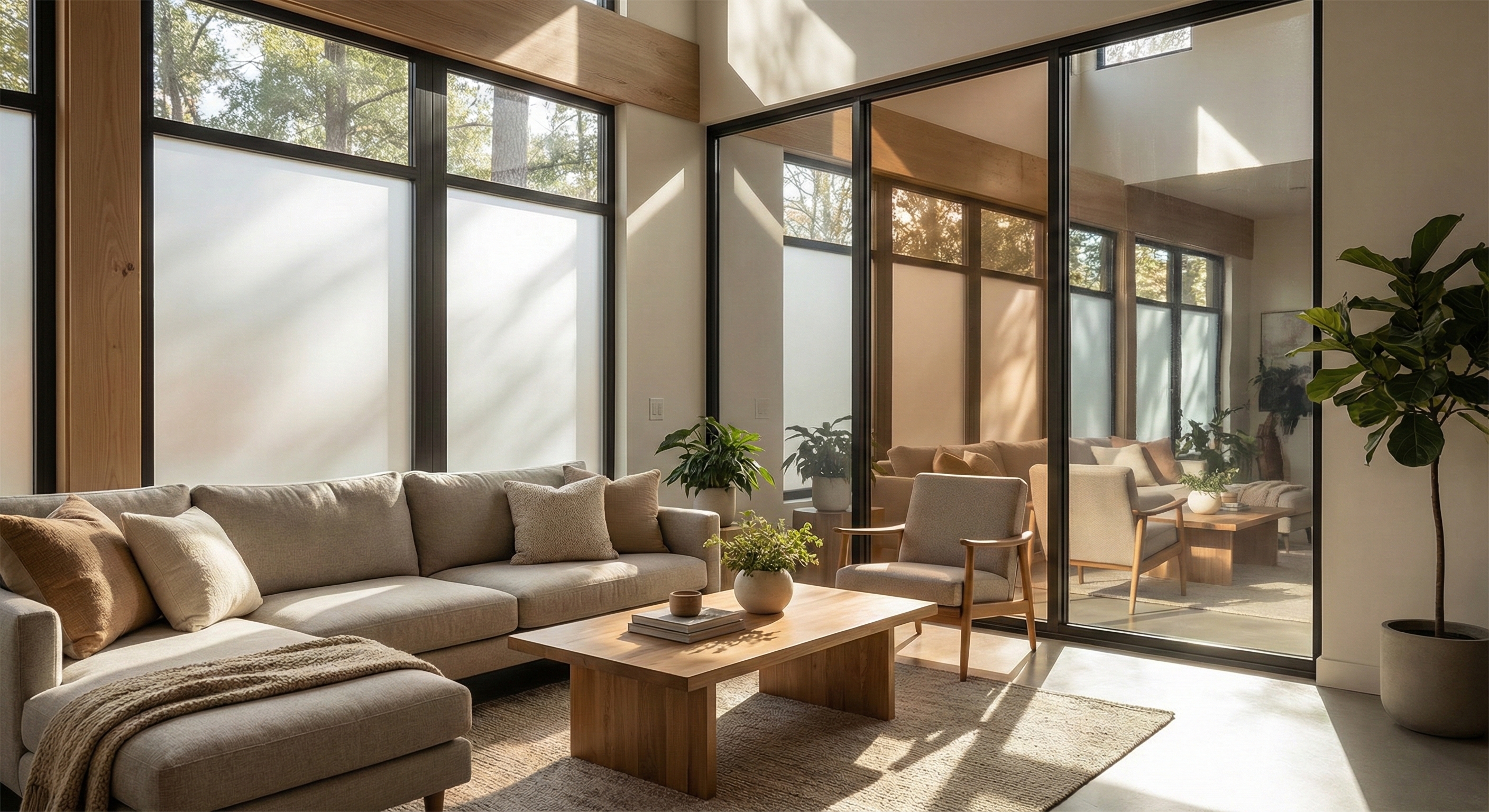
Privacy window films are a simple and effective way to reduce visibility into your home while still allowing natural light to flow in. They are thin layers applied directly to glass surfaces, designed to provide privacy without the need for curtains or blinds.
These films work by obscuring the view from the outside, either by diffusing light, adding color, or creating reflective surfaces. They are commonly used in bathrooms, bedrooms, street-facing rooms, and offices, providing a balance of light and privacy that traditional window coverings may not offer.
Beyond just blocking the view, privacy films can also offer additional benefits such as glare reduction, UV protection, and even some heat reduction, depending on the type of film you choose. They can transform ordinary windows into functional, stylish elements that improve comfort and protect your home’s interior.
Privacy window films come in several types, each with unique features, benefits, and ideal applications. Understanding the differences can help you choose the right film for your home or office.
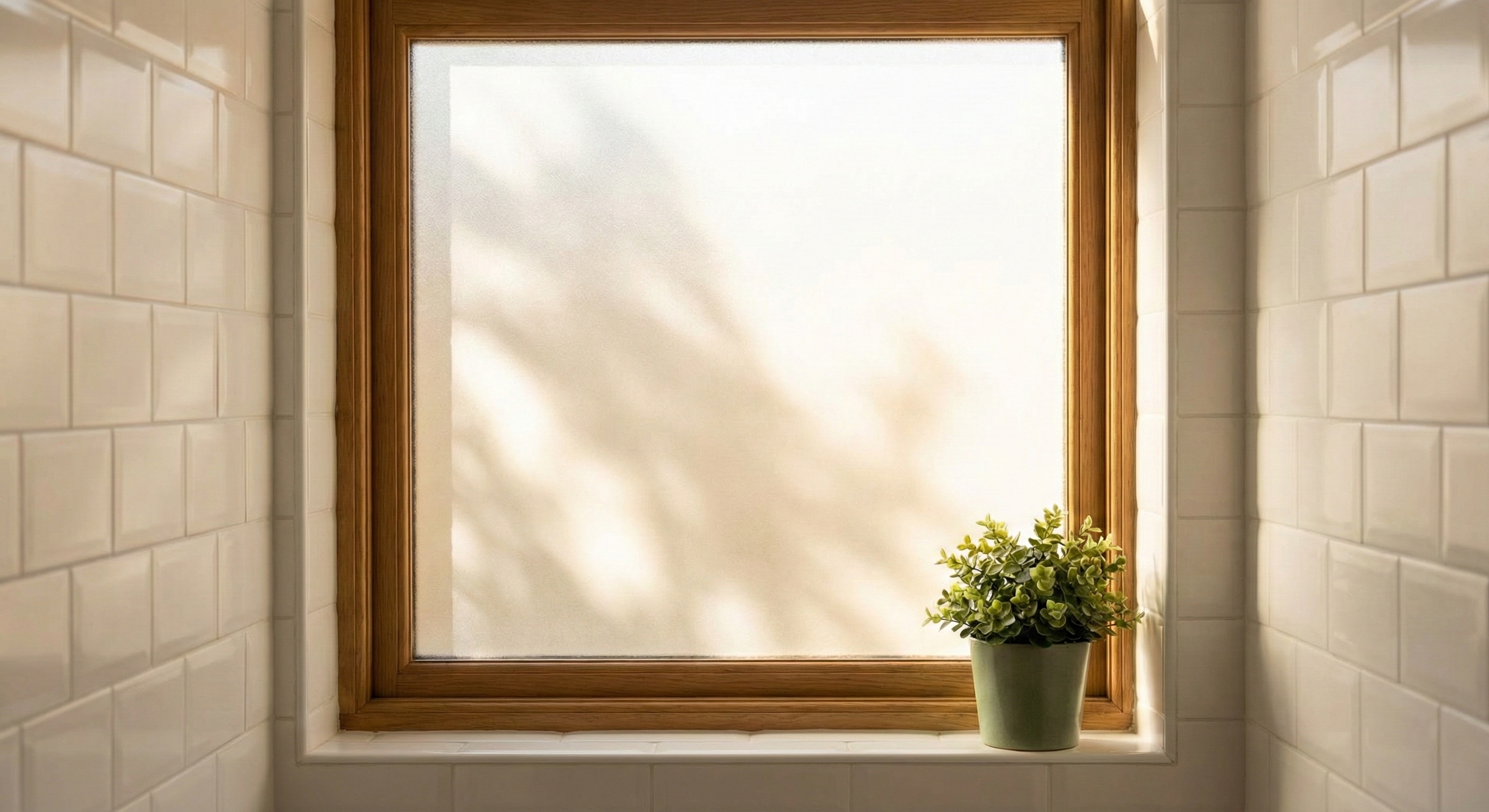
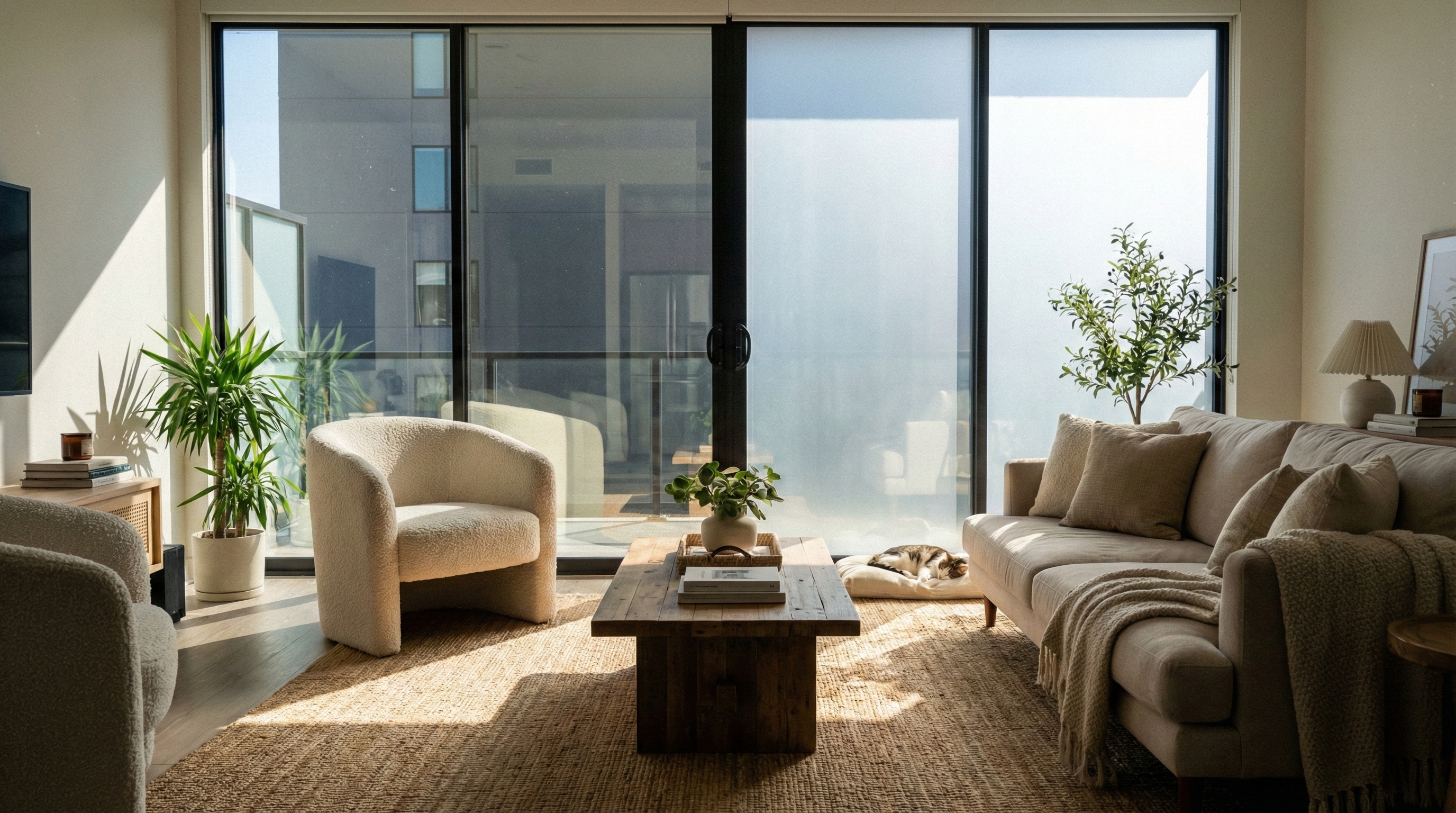
Frosted window films create a blurred or frosted effect on glass, offering excellent privacy without completely blocking natural light. They are commonly used in bathrooms, bedrooms, and home offices.
Pros: Maintains privacy while allowing light to pass through, decorative options available, easy to clean.
Cons: Offers less heat reduction than tinted films, limited visibility for outdoor views.
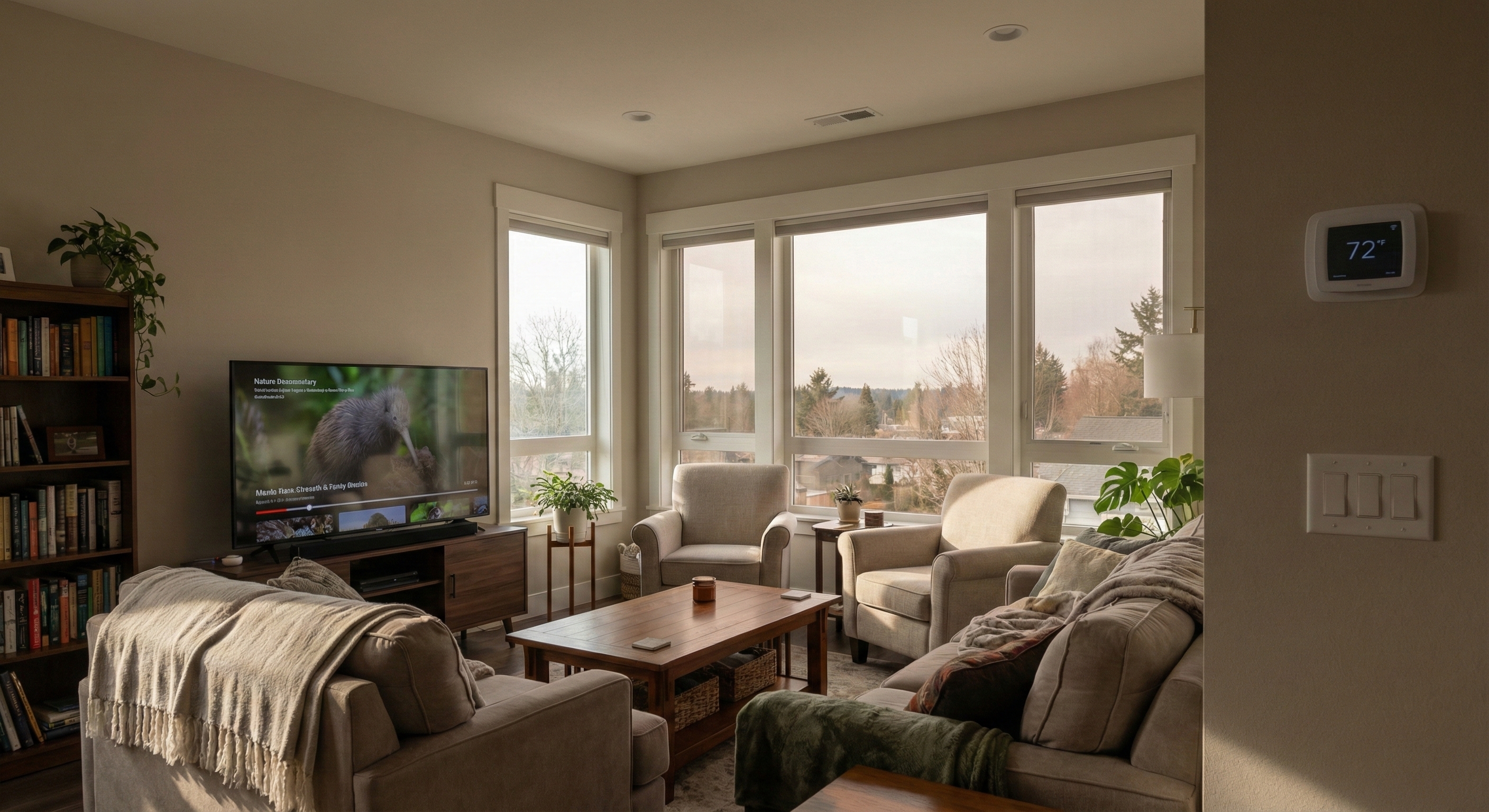
Tinted films darken the glass to reduce glare and heat while providing moderate privacy. They are often used on living room windows, south-facing windows, and spaces where sunlight control is important.
Pros: Reduces glare and heat, helps protect furniture from UV damage, moderate privacy.
Cons: Can slightly darken rooms, may not provide full daytime privacy.
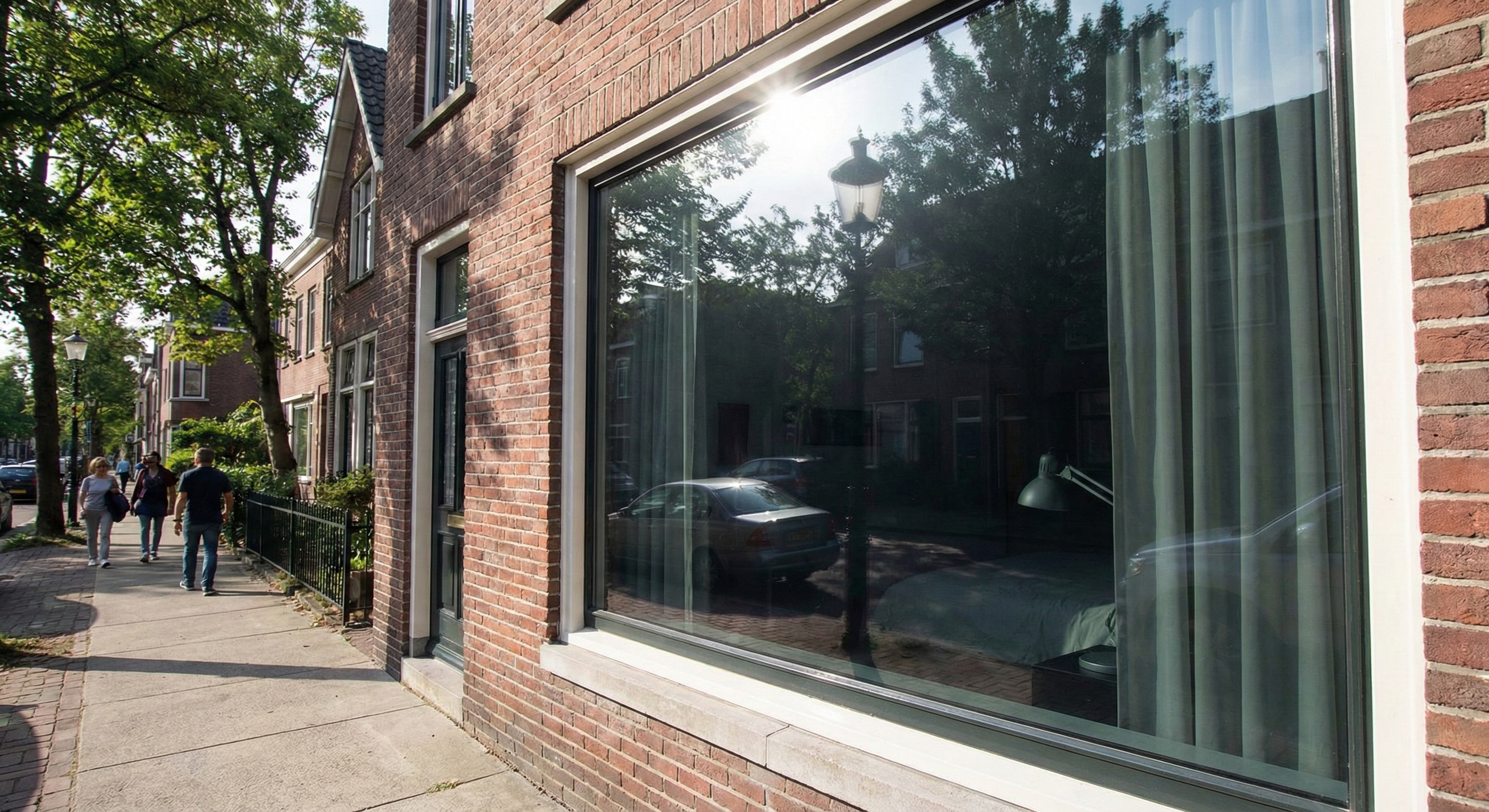
Reflective or mirror films create a one-way effect during daytime, reflecting light outward to prevent people from seeing inside. They are ideal for street-facing rooms and areas requiring high privacy.
Pros: High daytime privacy, heat reduction, glare control.
Cons: Privacy is reduced at night when interior lights are on, some film types can be noticeable from outside.
Choosing the right privacy window film can be easier when you see how each type compares in key areas like privacy, light, and heat reduction. The following table provides a quick overview:
| Feature | Frosted | Tinted | Reflective |
|---|---|---|---|
| Privacy Level | High | Medium | High (daytime) |
| Light Transmission | High | Medium | Medium |
| Heat Reduction | Low | Medium | High |
| Best Rooms | Bathrooms, Bedrooms | Living Rooms, South-Facing Rooms | Street-Facing Rooms, Offices |
| Decorative Options | Yes | Limited | Some |
| Pros | Maintains natural light, stylish | Reduces glare, UV protection | Daytime privacy, heat reduction |
| Cons | Less heat reduction | Can darken room, moderate privacy | Privacy reduced at night, noticeable from outside |
This comparison helps you decide which film best fits your home’s needs. Frosted films are ideal when light is important but privacy is essential. Tinted films work well where glare and heat need to be controlled. Reflective films are best for high privacy areas with significant sunlight exposure.
Selecting the right privacy film depends on the room’s purpose, lighting, and how much privacy you need. Different films perform better in different areas of your home.
Bathrooms: Frosted window films are ideal for bathrooms. They provide high privacy while letting in natural light. Decorative frosted options can also add style without blocking brightness.
Bedrooms: Frosted or reflective films work best for bedrooms. Frosted films offer soft, diffused light, while reflective films provide additional daytime privacy for street-facing rooms. Tinted films can be considered if you want to reduce morning sunlight or glare.
Living Rooms: Tinted films are a great choice for living rooms, especially those with south or west-facing windows. They help reduce glare on TVs and protect furniture from UV damage while still allowing light into the space.
Home Offices: Tinted films work well in home offices to minimize screen glare. Reflective films are another option if your office faces a busy street, providing privacy without compromising daylight.
Street-Facing Rooms: Reflective films are the most effective for rooms facing the street, giving high privacy during the day while also reducing heat and glare.
By evaluating the purpose of each room and considering sunlight and privacy needs, you can choose a privacy film that enhances comfort, protects your interiors, and fits your home’s style.
Privacy window films offer more than just visual shielding. One key advantage is UV protection. Many films block up to 99% of harmful UV rays, preventing furniture, carpets, and artwork from fading over time.
Glare reduction is another benefit. Tinted and reflective films reduce harsh sunlight on TVs, computer screens, and tablet displays, making rooms more comfortable for work or relaxation.
Privacy films can also improve energy efficiency. Reflective and tinted films help reduce heat gain in summer and can even contribute to lower cooling costs. This makes your home more comfortable while saving on energy bills.
Lastly, privacy films can enhance interior design. Frosted or decorative films add a stylish element to windows, giving you privacy without sacrificing light or aesthetic appeal. Whether used for practical or decorative reasons, privacy films increase comfort, protect interiors, and improve the overall look of your home.
Proper installation is key to ensuring your privacy window films perform well and last for years. You can choose between DIY installation or hiring a professional. DIY can save money, but it requires careful measurement, cleaning, and smooth application to avoid bubbles or wrinkles.
Professional installers have the experience and tools to apply films flawlessly, especially on large or hard-to-reach windows. They can also recommend the right type of film for each room based on light, privacy, and energy efficiency needs.
For maintenance, clean your films gently with a soft cloth and mild, non-abrasive cleaners. Avoid sharp objects or harsh chemicals that can damage the film. Regular maintenance keeps the film clear, functional, and looking like new.
By following these installation and care tips, you ensure that your privacy films provide long-lasting performance, aesthetic appeal, and protection for your home.
Can I combine different types of privacy films in one home?
Yes. Different rooms have different sunlight exposure and privacy needs, so mixing frosted, tinted, and reflective films is common and practical.
Do reflective films work at night?
Reflective films provide high privacy during the day, but privacy is reduced at night when interior lights are on. Consider layering blinds or curtains for night-time privacy if needed.
How long do privacy window films last?
Most residential films last 10–15 years if installed correctly. Longevity depends on exposure to sunlight, heat, and proper maintenance.
Are films reversible if I want to change them later?
Yes. Most window films can be carefully removed and replaced without damaging the glass, allowing flexibility to update your windows or switch film types.
Do privacy films block heat and UV rays?
Yes, many tinted and reflective films reduce heat and block a large percentage of UV rays, helping protect furniture, flooring, and interior finishes.
Choosing the right privacy window film for your home makes a big difference in comfort, style, and protection. Frosted, tinted, and reflective films each have unique benefits, and selecting the right one depends on the room, sunlight exposure, and your privacy needs.
By understanding the differences and applications of each type, you can enhance natural light, reduce glare, protect furnishings, and improve energy efficiency. For expert advice and professional installation, contact American Window Film to find the perfect privacy window film for your home.
No Comments Yet
Let us know what you think