

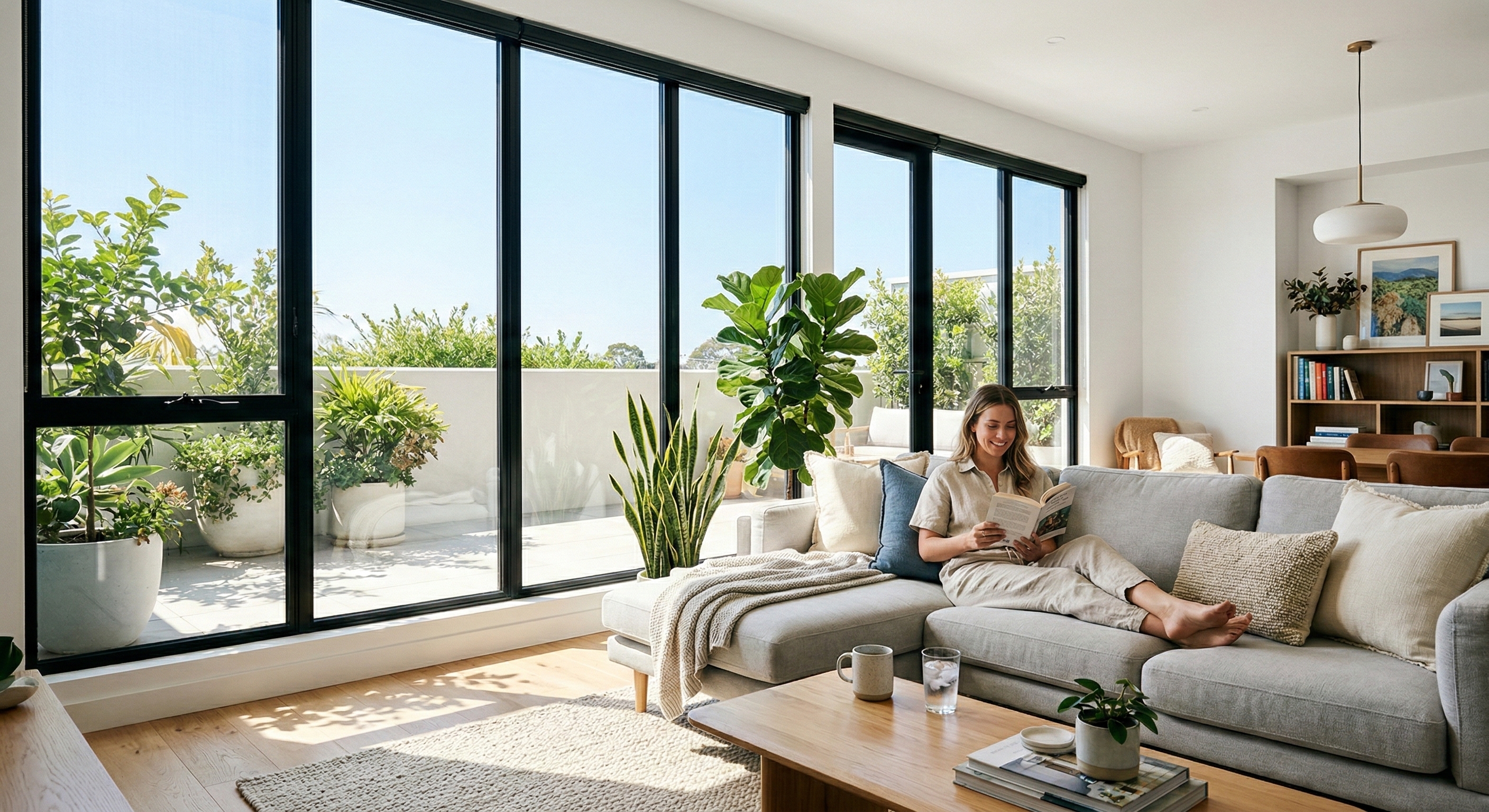
Have you ever noticed how certain rooms in your home feel hotter during the day, or how sunlight slowly fades your furniture and flooring? Many homeowners face these challenges without realizing that the windows are the main source of the problem. Residential window films offer a practical solution that addresses heat, glare, UV exposure, and energy efficiency all at once.
Unlike heavy curtains or shades that block natural light, window films are applied directly to your windows. They reduce the amount of solar heat entering your home while maintaining daylight and visibility. This simple addition can make rooms more comfortable year-round, protect your interiors, and even save money on heating and cooling costs.
Residential window films come in different types, including reflective, ceramic, and decorative options, each designed to meet specific needs. Whether your priority is lowering energy bills, preventing sun damage, improving privacy, or adding style, there is a film suited for your home.
In this article, we will explore the many benefits of residential window films in detail. You will learn how they improve comfort, protect your furniture and flooring, enhance privacy, and contribute to energy savings. Real-world examples and FAQs will provide practical insight into why homeowners choose window films over other alternatives. By the end, you will understand how this small investment can create a big difference in your home’s comfort, efficiency, and long-term protection.
Residential window film is a thin, transparent layer applied directly to the glass of your home’s windows. It is designed to control the amount of sunlight and heat that enters a room, while still allowing natural light to pass through. Unlike curtains or blinds, window films do not block your view, making them a practical and aesthetically pleasing solution for modern homes.
The primary purpose of window film is to reduce solar heat gain. Sunlight contains infrared energy, which warms up your rooms, and ultraviolet (UV) rays, which can damage furniture, flooring, and fabrics over time. By applying a window film, homeowners can block a large portion of infrared heat and almost all UV rays, helping maintain a cooler, safer, and more comfortable indoor environment.
There are several types of residential window films, each tailored to specific needs. Reflective films use a metallic coating to bounce heat away from your home. Ceramic and infrared-rejection films block heat without reducing visibility or interfering with electronics. Decorative or privacy films add style while limiting visibility from outside, offering security and privacy along with moderate heat and glare reduction.
Overall, residential window film is a versatile solution that combines comfort, protection, and energy savings. It works quietly in the background to make your home cooler in the summer, protect your interiors from sun damage, and enhance privacy without sacrificing natural light. Installing the right film can transform the living environment, making rooms more comfortable and functional for everyday life.
Residential window films offer one of the most practical ways to improve energy efficiency in your home. Sun-exposed windows allow heat to enter during summer and escape during winter, forcing your heating and cooling systems to work harder. By controlling this heat transfer, window films help maintain a stable indoor temperature while lowering energy usage and utility bills.
Window films block a significant portion of solar heat, particularly infrared energy, which is the main cause of indoor temperature increases. Reflective and ceramic films bounce or absorb this heat before it enters your living spaces. During winter, low-emissivity (low-e) films reduce heat loss through windows, keeping rooms warmer. By stabilizing indoor temperatures, window films reduce the workload on HVAC systems, helping your home stay comfortable throughout the year.
Homeowners often see energy reductions of 10 to 30 percent, depending on window orientation and sun exposure. For example, a south-facing living room in a sunny region may experience substantial savings on cooling bills during peak summer months. Over time, these reductions can offset the initial cost of professional installation. By decreasing energy use, window films also help lower carbon emissions, making them an eco-friendly choice.
Even moderate improvements can make a noticeable difference. Less energy consumption not only reduces utility bills but also enhances comfort by preventing hot or cold spots in sun-exposed rooms. When combined with other energy-efficient upgrades, window films can contribute significantly to overall home performance and cost savings.
In short, energy-efficient residential window films are a smart investment. They lower heating and cooling costs, improve comfort, and reduce your home’s environmental impact, making them a practical addition for any homeowner seeking long-term benefits.
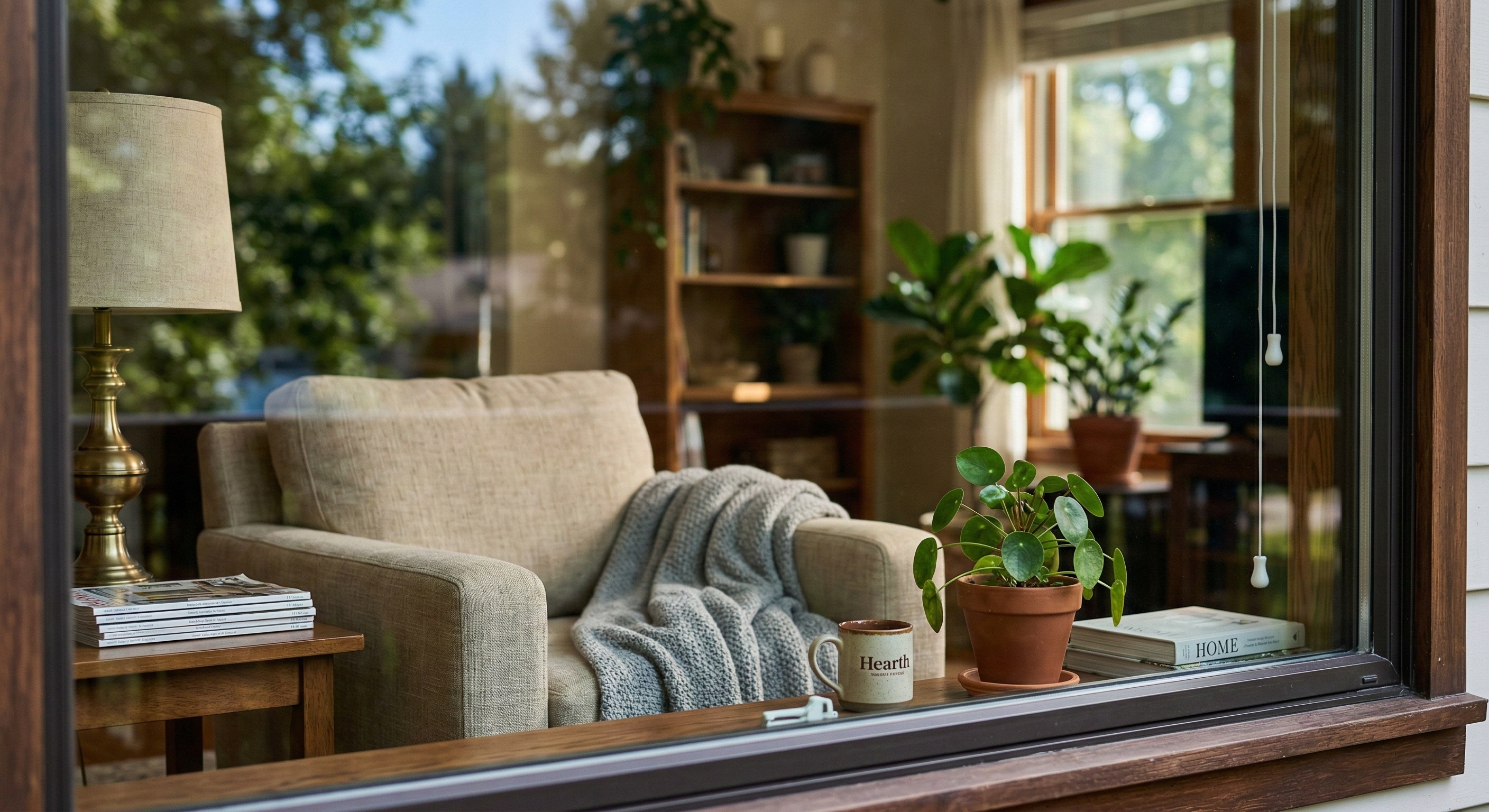
Window films do more than just save energy—they make your home significantly more comfortable by reducing heat and glare. Sunlight entering through windows can create hot spots and intense glare, making it difficult to work, watch TV, or relax. Residential window films help regulate indoor temperatures while minimizing discomfort caused by harsh sunlight.
The primary source of heat from windows is infrared radiation. High-performance window films block a large portion of this infrared energy before it enters your living spaces. By doing so, rooms feel cooler during sunny afternoons, even without cranking up the air conditioning. Films also reduce the intensity of visible sunlight, which lessens the warming effect and prevents rooms from overheating.
Glare from direct sunlight can make screens hard to read and cause eye strain. Window films filter this light while still allowing natural brightness into the room. This is especially helpful in living rooms, home offices, and kitchens where reflective surfaces and electronic screens are common. By reducing glare, window films improve comfort and usability in everyday spaces.
Window films help maintain a consistent indoor climate throughout the day. In rooms with large south- or west-facing windows, films prevent sudden heat spikes and hot spots, creating a more even temperature distribution. This not only makes the space more comfortable but also reduces reliance on fans or air conditioning to manage heat.
Homeowners often notice that after installing window films, previously uncomfortable rooms become livable throughout the day. For example, a home office with west-facing windows remained noticeably cooler and glare-free, improving productivity and comfort. Even small adjustments in heat and light levels can have a significant impact on daily living.
By controlling heat and glare, residential window films enhance comfort, reduce eye strain, and make your home a more enjoyable place to live. In the next section, we will explore how window films protect your interiors from UV damage while preserving furniture and flooring.
Residential window films protect your home’s interiors from the harmful effects of sunlight. Prolonged exposure to ultraviolet (UV) rays can fade furniture, flooring, and artwork while also affecting your health. By installing window films, homeowners can preserve the beauty of their interiors and create a safer living environment.
UV rays are one of the leading causes of fading in fabrics, carpets, wood, and leather furniture. Window films block up to 99% of harmful UV rays, preventing materials from degrading prematurely. For example, a sun-exposed living room with hardwood floors and a leather sofa can maintain its original color and texture for years when window films are applied. This protects your investment in furniture and flooring while keeping your home looking fresh and well-maintained.
UV exposure is also a health concern. Even indoors, prolonged exposure to sunlight can contribute to skin damage over time. Window films act as a barrier, reducing harmful UV radiation and helping to protect the skin of family members. This is especially important in rooms where people spend significant time during the day, such as living rooms, offices, or sunrooms.
The best window films strike a balance between blocking UV rays and allowing natural light to enter. This ensures that your home remains bright and inviting while protecting both your belongings and your health. By controlling UV exposure, films reduce glare and heat, contributing to overall comfort and a safer, longer-lasting interior environment.
In short, residential window films are an essential tool for homeowners who want to protect furniture, flooring, and skin without sacrificing natural light or aesthetic appeal. The next section will explore how these films also enhance privacy, security, and home aesthetics.
Residential window films not only protect against heat and UV damage but also enhance privacy, safety, and the overall look of your home. These films allow you to maintain a comfortable and secure environment while adding style and functionality.
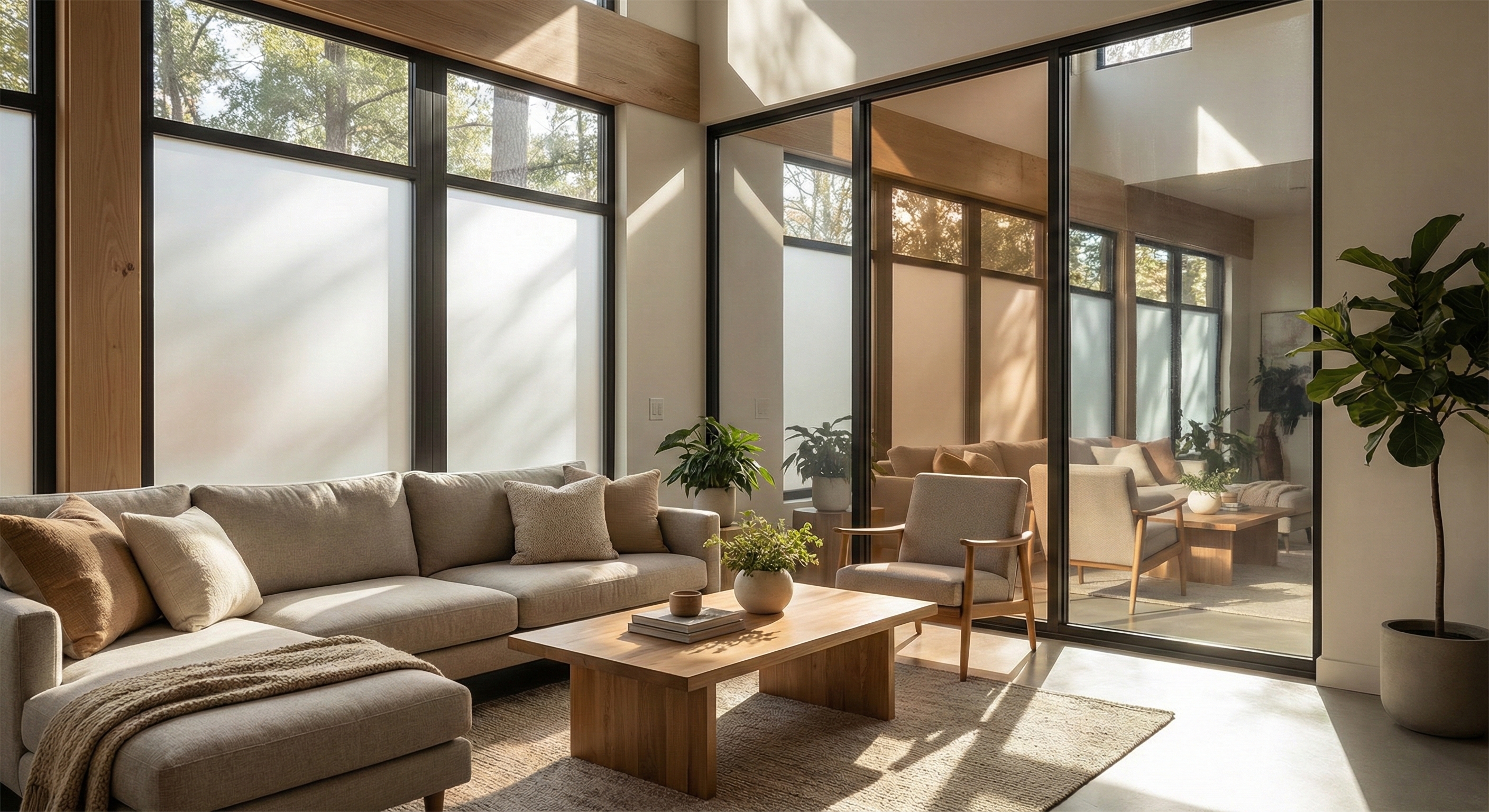
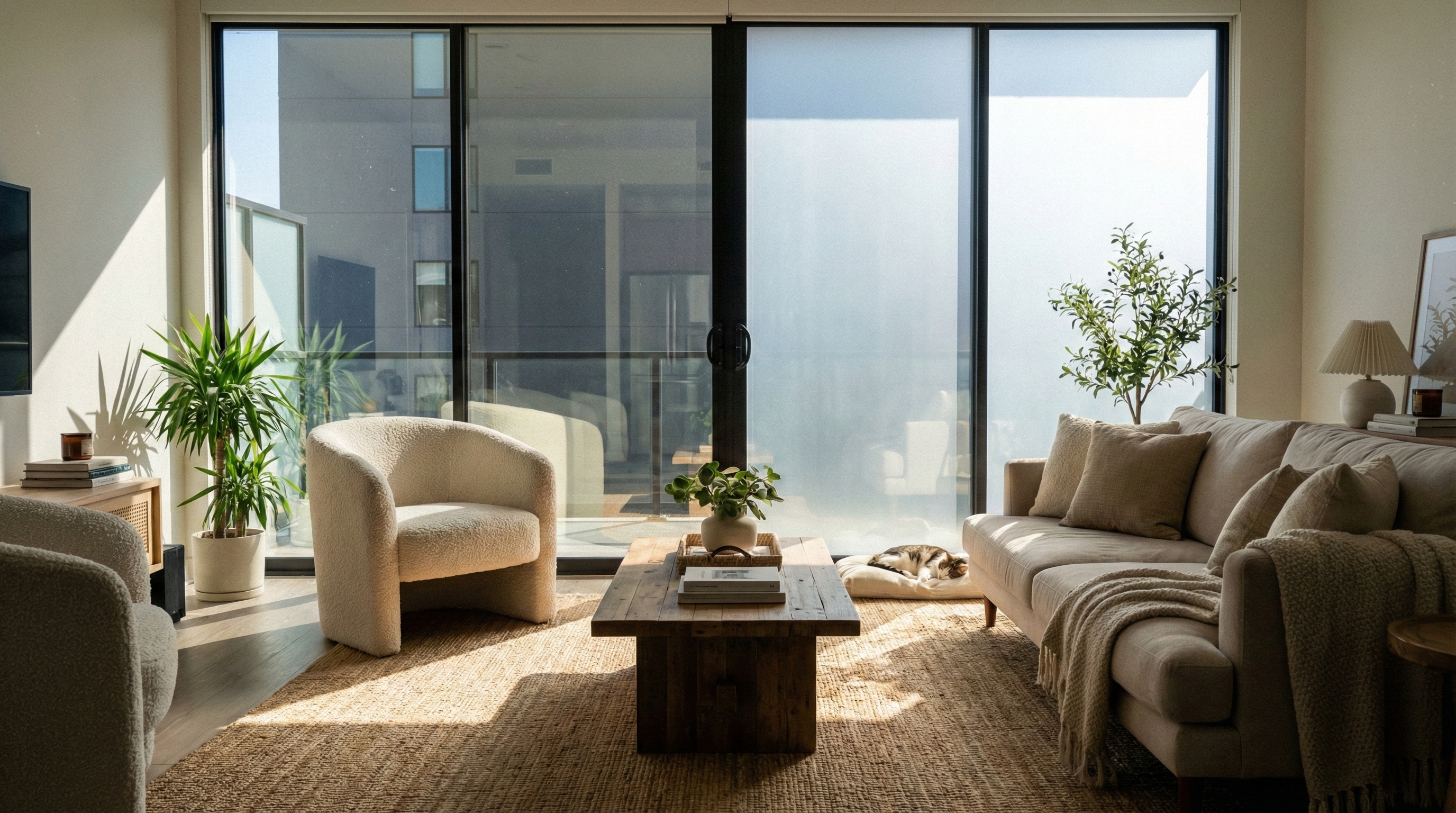
Window films can obscure the view from outside without blocking natural light. This is especially valuable for homes close to neighbors or busy streets. Decorative and frosted films provide daytime privacy, ensuring that your living areas, bathrooms, and bedrooms remain private while keeping the room bright and inviting.
Certain window films are designed to strengthen glass and reduce the risk of shattering. Impact-resistant films help protect family members, pets, and property during accidents, storms, or break-ins. By holding broken glass together, these films prevent injuries and make it harder for intruders to gain access. Safety films provide peace of mind without altering the appearance of your windows.
Beyond protection, window films can improve the aesthetic appeal of your home. Decorative and patterned films can enhance the style of your windows, doors, and glass partitions. They allow homeowners to add a personalized touch, complementing the home’s design while still enjoying the functional benefits of heat reduction, glare control, and privacy.
By combining privacy, security, and aesthetics, residential window films create spaces that are safer, more comfortable, and visually appealing. Homeowners gain not only functional benefits but also an upgrade to the overall ambiance of their interiors.
Explore decorative film options for style and privacy.
In the next section, we will discuss the environmental benefits of residential window films, including their impact on energy use and carbon footprint.
Residential window films not only improve comfort and protection but also contribute to a more sustainable home. By reducing the amount of heat entering or leaving through windows, these films lower the energy required for heating and cooling, which directly impacts your home’s carbon footprint.
When window films block infrared heat in the summer and minimize heat loss in the winter, HVAC systems do not have to work as hard. This reduces electricity consumption and greenhouse gas emissions associated with energy production. Homeowners using window films often report noticeable reductions in energy use, which benefits both the environment and their monthly utility bills.
In addition to lowering energy consumption, window films can help homeowners make their homes more eco-friendly. By improving insulation and reducing dependence on heating and cooling, window films support sustainable living practices. This makes them an effective addition for environmentally conscious households looking to reduce waste and energy use.
The cumulative effect of using window films in multiple rooms is significant. Not only do they create a comfortable living environment, but they also contribute to a smaller ecological footprint over time. Choosing window films is a simple yet impactful way to make your home more sustainable while enjoying the immediate benefits of comfort, glare reduction, and UV protection.
By combining energy savings and environmental benefits, residential window films are an investment that pays off for both your home and the planet.
Residential window films come in a variety of types, each designed to meet specific needs. Choosing the right film ensures maximum comfort, energy efficiency, privacy, and protection for your home.
Reflective window films use a thin metallic coating to bounce sunlight and infrared heat away from your home. They are especially effective for south- and west-facing windows that receive intense sunlight during the day. Reflective films reduce heat, glare, and UV exposure while maintaining visibility from the inside. They are ideal for homeowners looking for both comfort and daytime privacy.
Ceramic window films are made from non-metallic nano-ceramic particles. They block infrared heat and UV rays without darkening your windows or interfering with electronic devices and Wi-Fi signals. Infrared-rejection films are similar, focusing on reducing the thermal energy that causes rooms to overheat. These films are perfect for homeowners who want significant heat reduction while keeping natural light and clear views.
Decorative window films come in frosted, etched, or patterned designs. They provide privacy while allowing natural light to pass through. Though they offer moderate heat and glare reduction, their primary benefit is enhancing aesthetics and adding style to your home. Privacy films are particularly useful for bathrooms, home offices, or street-facing rooms where you want to limit visibility from outside.
When selecting a window film, consider the room’s orientation, sun exposure, and your priorities for comfort, privacy, and aesthetics. South- and west-facing rooms benefit most from reflective or ceramic films, while decorative films are ideal for privacy and style in low-sunlight rooms. Professional consultation ensures you choose the right type and grade for optimal performance and long-term satisfaction.
By understanding the different types of residential window films, homeowners can select the right solution to reduce heat, protect interiors, and enhance comfort throughout the home.
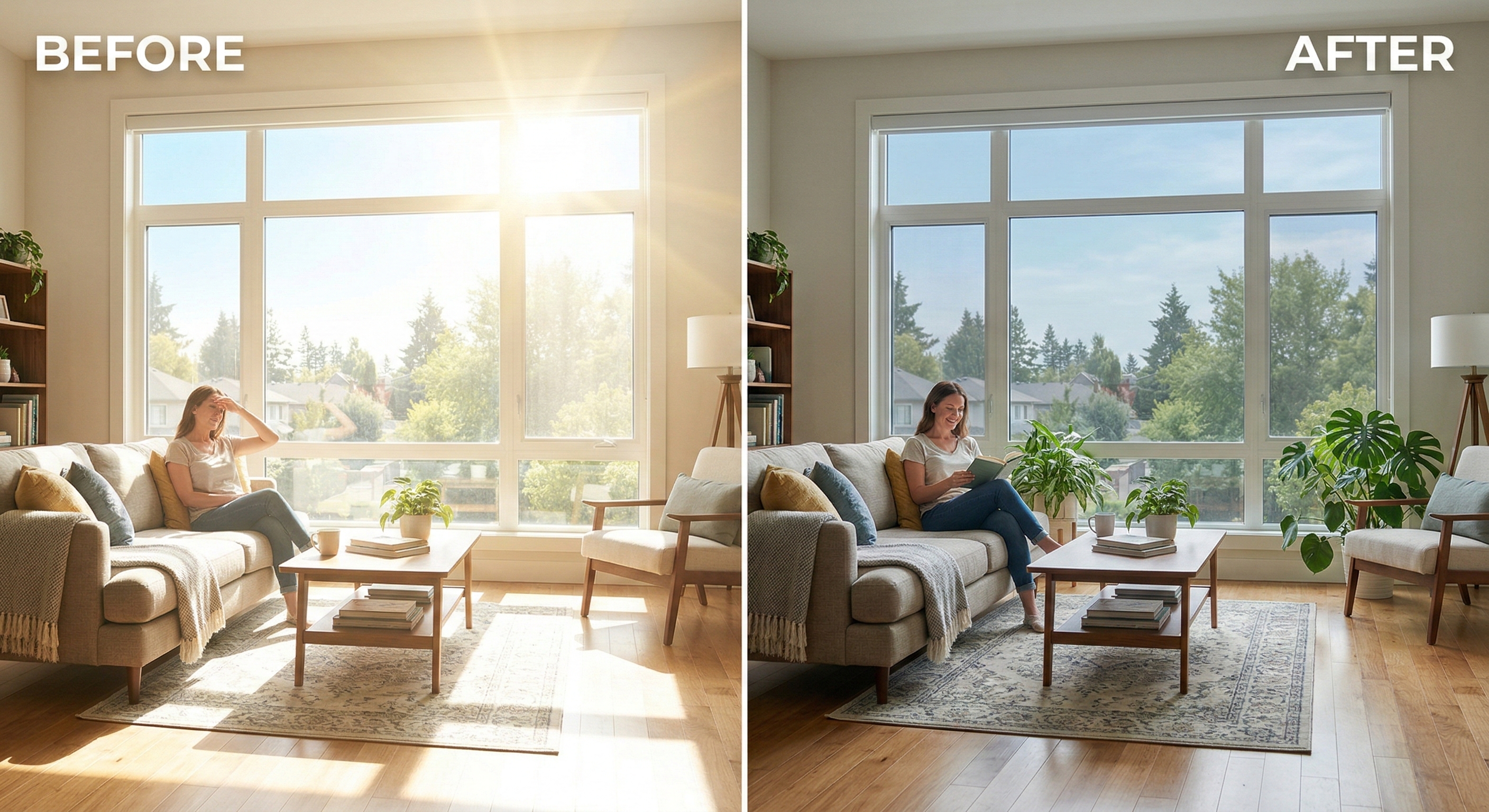
Residential window films have delivered tangible results for homeowners across different types of homes and sun exposures. By installing window films, rooms that were previously hot, uncomfortable, or overly bright have become more livable, energy-efficient, and protected from sun damage.
In one example, a living room with large west-facing windows in a sunny region experienced intense heat in the afternoons. After installing reflective window films, the room temperature dropped by 12–15°F, creating a more comfortable environment without needing additional air conditioning. The homeowners also reported a noticeable reduction in glare, making it easier to watch television and work on computers.
Another case involved a home office with south-facing windows that received bright morning sunlight. The homeowners chose ceramic infrared-rejection films, which blocked most of the heat and UV rays while maintaining clear views outside. The result was a cooler, glare-free space that significantly improved comfort during work hours and reduced strain on the air conditioning system.
Even rooms with moderate sun exposure benefited. A bedroom with a large sliding glass door used a decorative privacy film to maintain natural light while limiting visibility from outside. The homeowners noticed improved sleep quality and a more consistent temperature in the mornings, demonstrating that window films can enhance comfort even in less sun-intensive areas.
These examples illustrate that the right window film can transform any space in the home. From reducing heat and glare to protecting furniture and flooring, window films provide measurable improvements in comfort, energy efficiency, and interior preservation. Homeowners often find that what was once the most uncomfortable room becomes one of the most enjoyable spaces in the house.
Many homeowners have questions before installing window films. Here are the most common concerns, answered in a straightforward way.
Not necessarily. Modern residential window films, especially ceramic and infrared-rejection types, block heat and UV rays while allowing most visible light to pass through. You can enjoy natural daylight without significantly darkening your rooms.
While some DIY kits exist, professional installation ensures a smooth, bubble-free finish and maximizes the performance of your film. Professionals also handle precision cutting and application for long-lasting results.
High-quality window films typically last 10–20 years with proper care. Longevity depends on factors like window exposure, film type, and maintenance practices. Cleaning with non-abrasive materials helps extend the film’s life.
South- and west-facing rooms receive the most sunlight, so reflective or ceramic films are ideal. They block infrared heat effectively, reduce glare, and protect interiors without compromising visibility.
The return on investment comes from energy savings, improved comfort, and protection of furniture and flooring. Depending on sun exposure and home size, many homeowners recover their installation costs in just a few years through lower utility bills and reduced interior damage.
Yes. Most residential films block up to 99% of harmful UV rays, preventing fading of furniture, flooring, and fabrics while also protecting skin from exposure indoors.
By addressing these questions, homeowners can make informed decisions about installing window films. Understanding how films work, their longevity, and the types available ensures that each home benefits from improved comfort, energy efficiency, and protection.
Residential window films offer a simple, cost-effective way to improve comfort, reduce energy costs, and protect your home’s interior. By blocking heat, glare, and harmful UV rays, they help maintain consistent temperatures, prevent fading of furniture and flooring, and enhance privacy and safety. Whether you choose reflective, ceramic, or decorative films, the right solution can transform any space into a more comfortable and efficient environment.
No Comments Yet
Let us know what you think