

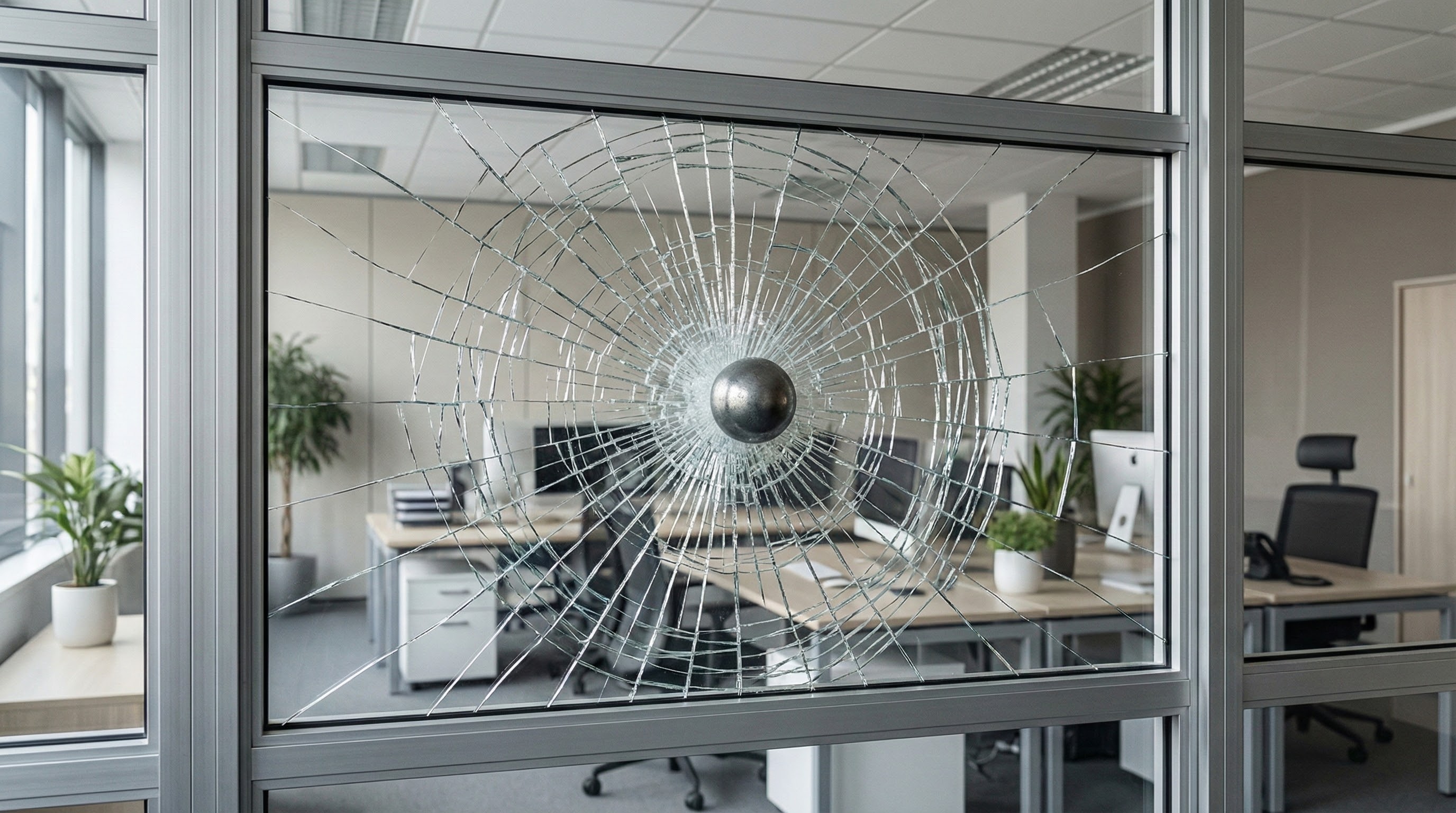
Glass is everywhere in modern buildings. Windows, doors, storefronts, and partitions all rely on glass to bring in light and visibility. The problem is that standard glass breaks easily. When it shatters, it can send sharp pieces flying across a room.
Security window film is designed to change how glass behaves when it breaks. Instead of exploding into dangerous shards, the glass stays held together. This simple upgrade can greatly improve safety and reduce damage.
Many building owners assume security window film stops glass from breaking completely. That is not true. What it does is just as important. It keeps broken glass in place, slows forced entry, and lowers the risk of injury.
In this article, you will learn how security window film works, what happens to glass during impact, and why it is a smart solution for protecting buildings. The goal is simple. Stronger glass and safer spaces.
Glass may look strong, but untreated windows break easily when hit. This section explains why shattered glass creates serious safety, security, and property risks for buildings.
Standard glass is rigid and brittle. When it is struck, the force has nowhere to go. The glass cracks suddenly and breaks apart. Sharp fragments scatter in multiple directions.
Larger glass panels are even more dangerous. Bigger panes release more energy when they break. This makes untreated windows a major safety concern in buildings.
Broken glass can cause deep cuts and serious injuries. People nearby may be hit by flying shards. Even minor impacts can turn into emergency situations.
Shattered glass also damages furniture, flooring, and equipment. Cleanup takes time and often disrupts daily operations inside the building.
Windows are exposed and easy to reach. They are thinner than walls and absorb direct impact. This makes them one of the first points of failure.
Accidents, storms, and forced entry attempts often involve windows. Without protection, glass becomes a major vulnerability.
Security window film is a protective layer applied directly to glass. This section explains what it is made of and why it performs very differently from standard window film products.
Security window film is typically made from thick, tear-resistant polyester. The material is designed to stay strong under stress. A strong adhesive bonds the film tightly to the glass surface.
This combination allows the film to hold glass together when it breaks. The film does not stop cracks from forming. It controls how the glass reacts after impact.
Regular window film is designed for appearance or heat control. It is much thinner and not built for strength. Decorative or solar films offer little protection when glass breaks.
Security window film is thicker and engineered for impact resistance. It is tested to reduce shattering and help glass stay in place. This makes it a safety and security solution, not just an upgrade.
Security window film can be clear or tinted. Clear film keeps the original look of the glass. Tinted options add privacy and glare reduction.
Both options provide shatter control. The choice depends on visibility, appearance, and building needs.
Security window film works by changing how glass responds to impact. This section explains the simple mechanics behind how the film strengthens glass and controls shattering.
Security window film is applied directly to the interior side of the glass. A strong adhesive creates a tight bond across the entire surface. Once cured, the film and glass act as a single system.
This bond is critical. When glass cracks, the film stays attached and holds the broken pieces together. Without proper bonding, the film cannot perform as intended.
When glass is struck, impact energy normally concentrates at one point. This causes sudden failure. Security window film helps spread that energy across a wider area.
By distributing force, the film reduces the speed and violence of the break. The glass still cracks, but the damage is more controlled and less explosive.
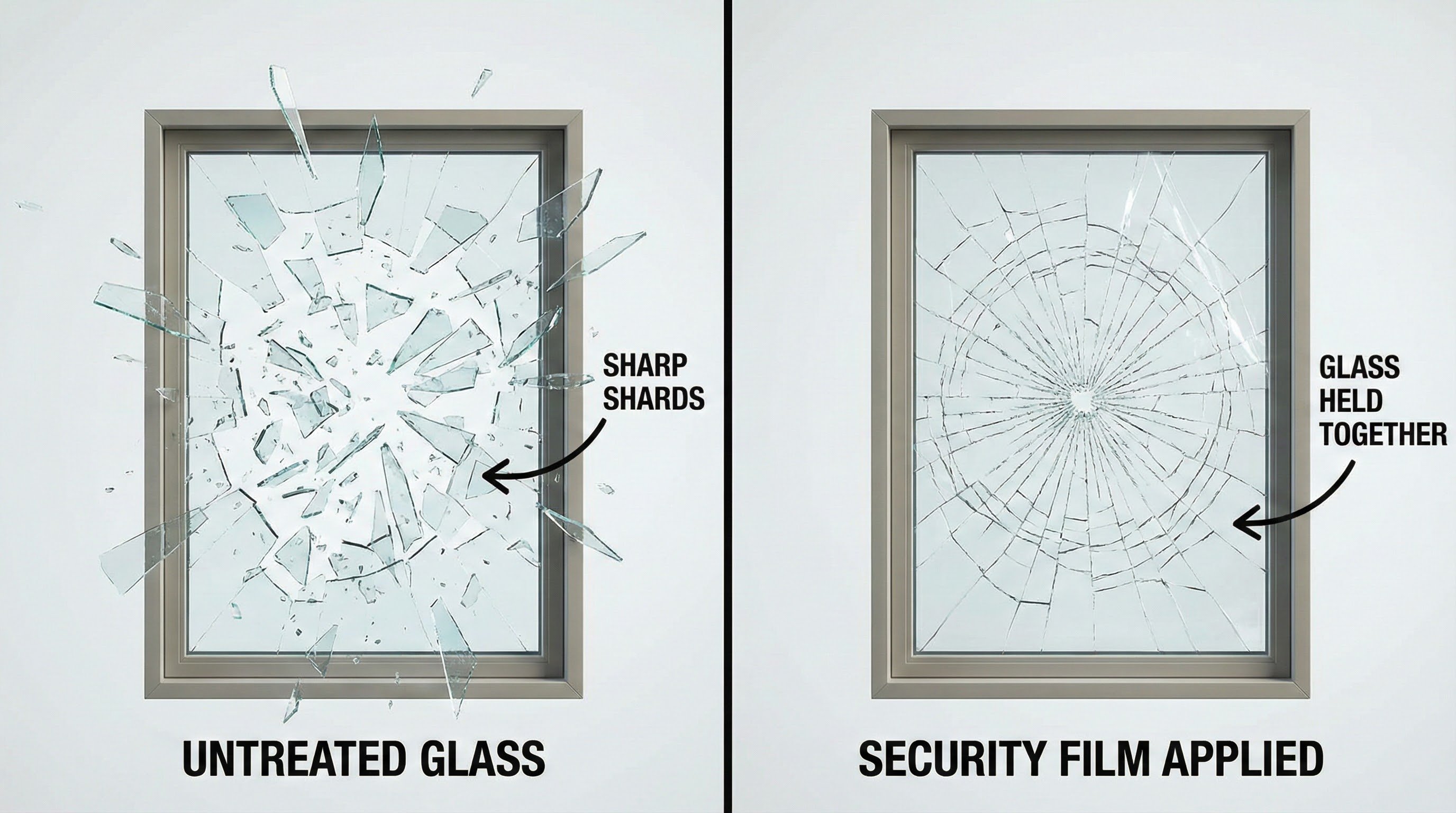
As the glass breaks, the film acts like a net. It captures fragments and keeps them attached to the window. Instead of shards flying into the room, the glass remains largely in place.
This is what makes security window film effective. It does not make glass unbreakable. It makes broken glass far safer and more stable.
When glass with security window film is struck, the break behaves very differently than untreated glass. This section walks through what happens before, during, and after impact.
With security window film installed, the glass surface is reinforced. The film adds strength and flexibility to the window. While the glass itself is still brittle, the overall system is more stable.
This added support helps the window handle everyday stress and minor impacts better than untreated glass.
When a strong impact occurs, the glass begins to crack. Instead of shattering outward, the cracks spread across the pane. The film immediately holds the broken pieces together.
The energy from the impact is contained. Glass fragments remain attached to the film rather than breaking loose.
After the break, the window often stays intact within the frame. The glass may be damaged, but it does not fall apart. This reduces the risk of injury and limits access through the opening.
Cleanup is safer and more controlled. The space remains protected until repairs can be made.
Broken glass is one of the leading causes of injury during window failure. This section explains how security window film reduces those risks and helps keep people safe.
When untreated glass breaks, sharp pieces can fly several feet. These shards can cause deep cuts and serious injuries. Security window film holds the glass together and limits this movement.
The film keeps broken pieces attached to the window. This greatly reduces the number of loose shards and exposed sharp edges.
Accidents happen in buildings. Storm debris, falling objects, or unexpected impacts can break glass. Security window film helps protect people nearby during these events.
By keeping glass contained, the film lowers the chance of injury. This is especially important in offices, schools, and public spaces.
Security window film helps windows perform more like safety glass. While it does not replace laminated glass, it improves overall protection.
Many building owners use it to enhance safety and reduce liability without replacing existing windows.

Security window film is designed for real conditions, not just lab tests. This section shows how it performs in common situations where glass is at risk.
Windows are often targeted during break-ins. Untreated glass breaks quickly, giving easy access. Security window film makes this process harder.
When the glass breaks, the film holds it together. This slows entry and creates noise and delay. That extra time can discourage intruders and reduce damage.
Strong winds and storms can send debris into windows. Flying objects can shatter glass and create dangerous conditions inside.
Security window film helps keep the glass in place after impact. Even when cracked, the window remains more stable and safer until repairs are made.
Accidents happen every day. Doors slam, equipment tips over, and objects strike glass.
With security window film, these impacts are less likely to cause dangerous shattering. This makes buildings safer for everyday use.
There are several ways to improve glass safety in buildings. This section compares security window film with other common glass protection solutions.
Laminated glass has a plastic layer built into the glass. When it breaks, the layers hold together. It offers strong protection but requires full glass replacement.
Security window film provides similar shatter control without removing existing windows. It is applied directly to current glass, making it a faster and more affordable upgrade for many buildings.
Tempered glass is heat-treated to break into small pieces instead of sharp shards. While this reduces injury risk, the glass still falls apart when broken.
Security window film keeps broken glass in place. This added containment helps maintain the window opening and improves safety after impact.
Replacing glass can be expensive and disruptive. Security window film allows buildings to improve safety without major construction.
It is often the preferred choice for retrofits, occupied buildings, and projects with tight budgets.
There are many misconceptions about what security window film can do. This section clears up common myths so expectations stay realistic.
Security window film does not make glass impossible to break. Strong impacts can still crack or break the glass.
What the film does is control the break. It holds the glass together and reduces the danger after impact.
Security window film is not bulletproof. It is designed for safety and impact resistance, not ballistic protection.
Its main role is to delay entry, reduce shattering, and improve safety during everyday threats.
Not all security window films are equal. Thickness, adhesive strength, and installation quality matter.
Professional-grade films perform better and last longer than low-quality options.
Choosing the right security window film depends on your building and its risks. This section explains the key factors that help determine the best option.
Security window film comes in different thicknesses. Thicker films generally provide better shatter resistance and strength.
The right thickness depends on the size of the glass, location, and level of protection needed. Higher-risk areas often require stronger film.
In some cases, an attachment system is used to secure the film to the window frame. This improves performance during heavy impact.
Edge sealing helps prevent the film from pulling away from the glass. Both features can improve how well the film performs under stress.
Every building is different. Offices, schools, and retail spaces all face unique risks.
A professional evaluation helps ensure the film matches the building’s safety and security goals.
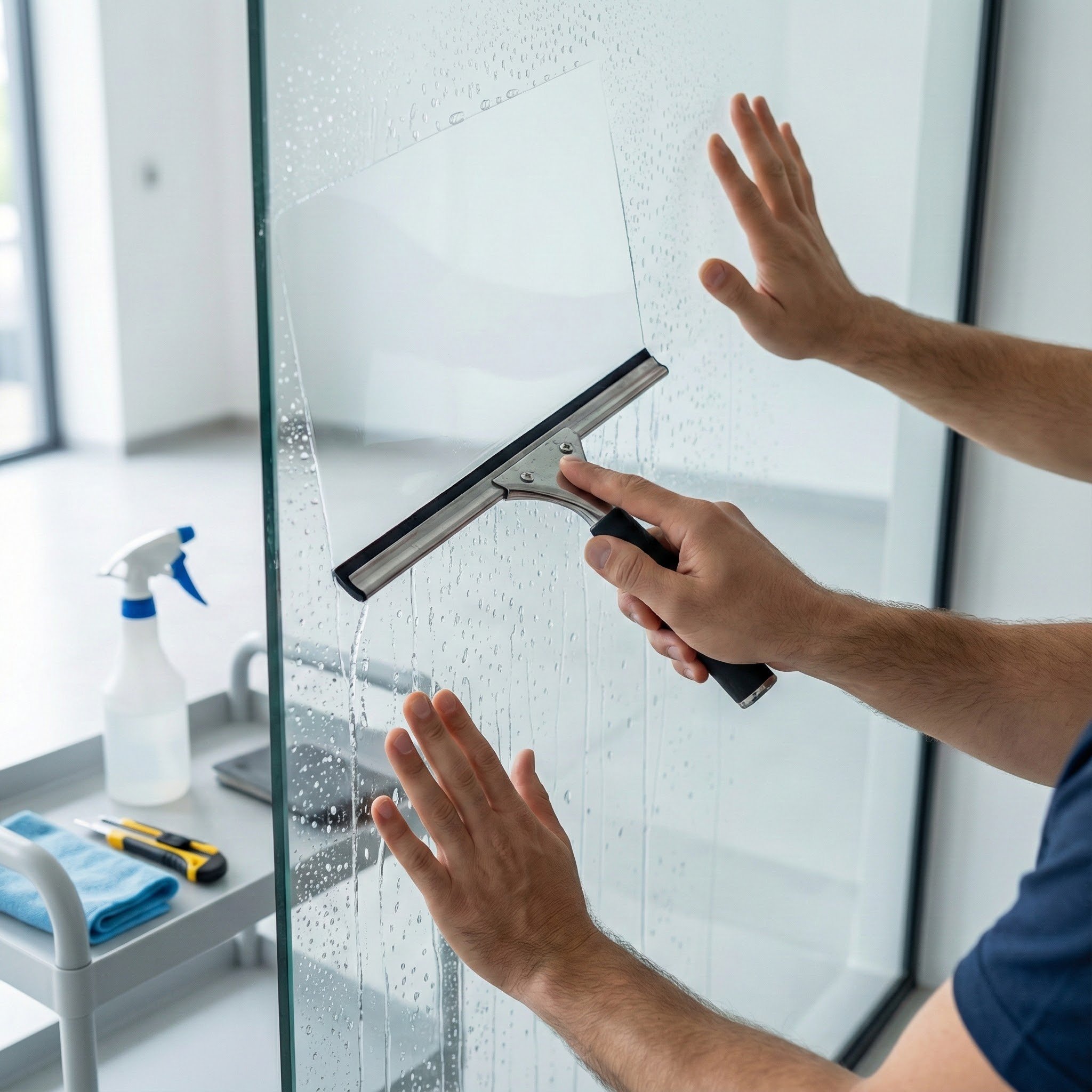
Security window film only works when it is installed correctly. This section explains why professional installation is critical for proper performance.
Glass must be thoroughly cleaned before film installation. Any dirt or residue can weaken the bond.
Professional installers prepare the surface carefully. This ensures the film adheres evenly across the entire pane.
Installing security window film requires precision. The film must be applied smoothly and allowed to cure properly.
Correct curing allows the adhesive to fully bond with the glass. This step is essential for shatter resistance.
Improper installation can cause peeling, bubbling, or weak spots. These issues reduce the film’s ability to hold broken glass together.
Professional installation ensures the film performs as designed when impact occurs.
Many people have similar questions when considering security window film. This section provides clear answers to the most common concerns.
No, security window film does not stop glass from breaking. Strong impacts can still cause cracks or breakage.
The key benefit is what happens after the break. The film holds the glass together and reduces dangerous shattering.
Yes, security window film can slow down forced entry. When glass breaks, it stays in place instead of falling away.
This creates resistance, noise, and delay. That extra time can discourage intruders and limit damage.
High-quality security window film can last many years when installed correctly. Indoor installations often last longer since they are protected from weather.
Professional installation and proper maintenance help extend the film’s lifespan.
Clear security window film is nearly invisible once installed. It does not block views or reduce natural light.
Tinted options are also available for added privacy or glare control, depending on building needs.
Security window film offers a practical way to improve glass safety without replacing existing windows. It changes how glass behaves during impact and helps prevent dangerous shattering. For many buildings, this added protection makes a real difference.
The film does not make glass unbreakable. What it does is control the damage. Broken glass stays together, injuries are reduced, and access through the window is delayed. These benefits apply to accidents, storms, and forced entry attempts.
Security window film is especially valuable for buildings with large glass areas or high foot traffic. It improves safety while maintaining the appearance of the glass. When professionally installed, it performs as designed and lasts for years.
If you are looking to reduce glass-related risks and improve building safety, security window film is a smart solution.
Contact American Window Film to get security window films for your home or storefront.

No Comments Yet
Let us know what you think