


Residential window film is a smart upgrade for any home. It helps control heat, reduce glare, and protect interiors from sun damage. Like any surface in your home, window film needs the right care to keep working and looking its best.
Many homeowners worry about damaging their window film while cleaning it. That concern is valid. Using the wrong cleaner or tools can scratch the film or reduce its lifespan. The good news is that residential window film is easy to maintain when you follow simple guidelines.
Proper maintenance keeps the film clear and smooth. It also helps preserve its performance over time. Clean film allows natural light to pass through while maintaining comfort and privacy inside your home.
In this guide, you will learn how to clean residential window film safely. You will also discover what products to use, what to avoid, and how often cleaning is needed. These tips will help you protect your investment and enjoy long-lasting results.
Whether your window film is newly installed or has been in place for years, the right care makes a difference. With the steps below, you can keep your residential window film looking clean, clear, and well-maintained.
Residential window film is designed to deliver long-term benefits for your home. Regular care plays a key role in protecting both its appearance and performance. Simple maintenance habits help ensure the film continues to work as expected year after year.
Proper care helps protect your investment, especially when window film is installed by professionals offering residential window film services.
Proper residential window film maintenance also protects your investment. Window film is installed to improve comfort, reduce glare, and protect interiors. Without routine care, these benefits can slowly decline over time.
Consistent cleaning and care help preserve clarity and prevent surface damage. When maintained correctly, residential window tint stays smooth, clear, and visually appealing. This allows your windows to enhance your home instead of becoming a distraction.
Regular care keeps window film looking clean and uniform. Dust, fingerprints, and residue can dull the surface if not removed properly. Gentle cleaning helps maintain clear views and an even finish.
Maintenance also supports performance. Clean film continues to control heat, reduce glare, and block harmful sun exposure. When the surface stays free from buildup, the film can function at its full potential.
Lack of care can lead to visible issues. Dirt buildup can cause streaks, hazy areas, and uneven appearance. Over time, this can make windows look neglected.
Improper care may also reduce window film longevity and care benefits. Scratches, peeling edges, or surface damage can occur when harsh products are used. Neglecting maintenance can shorten the life of residential window tint and limit its effectiveness.
After residential window film is installed, it needs time to fully bond to the glass. This waiting period is an important part of window film aftercare. Cleaning the film too soon can affect how it settles and may impact its appearance.
During installation, moisture is trapped between the film and the glass. As the film cures, this moisture slowly evaporates. Patience during this stage helps ensure the film adheres evenly and performs as intended.
Understanding window film care after installation helps protect the film during its most sensitive phase. Allowing the film to cure properly reduces the risk of marks, bubbles, or edge issues later on.
Most residential window films require a curing period before they can be cleaned. In many cases, this period ranges from a few weeks to about a month. The exact time can vary based on indoor conditions such as temperature and humidity.
During this time, it is normal to see slight haziness or small moisture pockets. These usually disappear on their own as the film fully dries and settles.
Avoid touching, wiping, or cleaning the film while it is curing. Do not apply cleaning products or water to the surface during this time.
Keep sharp objects and rough materials away from the film. Allowing the film to cure without disturbance helps ensure long-term performance and durability.
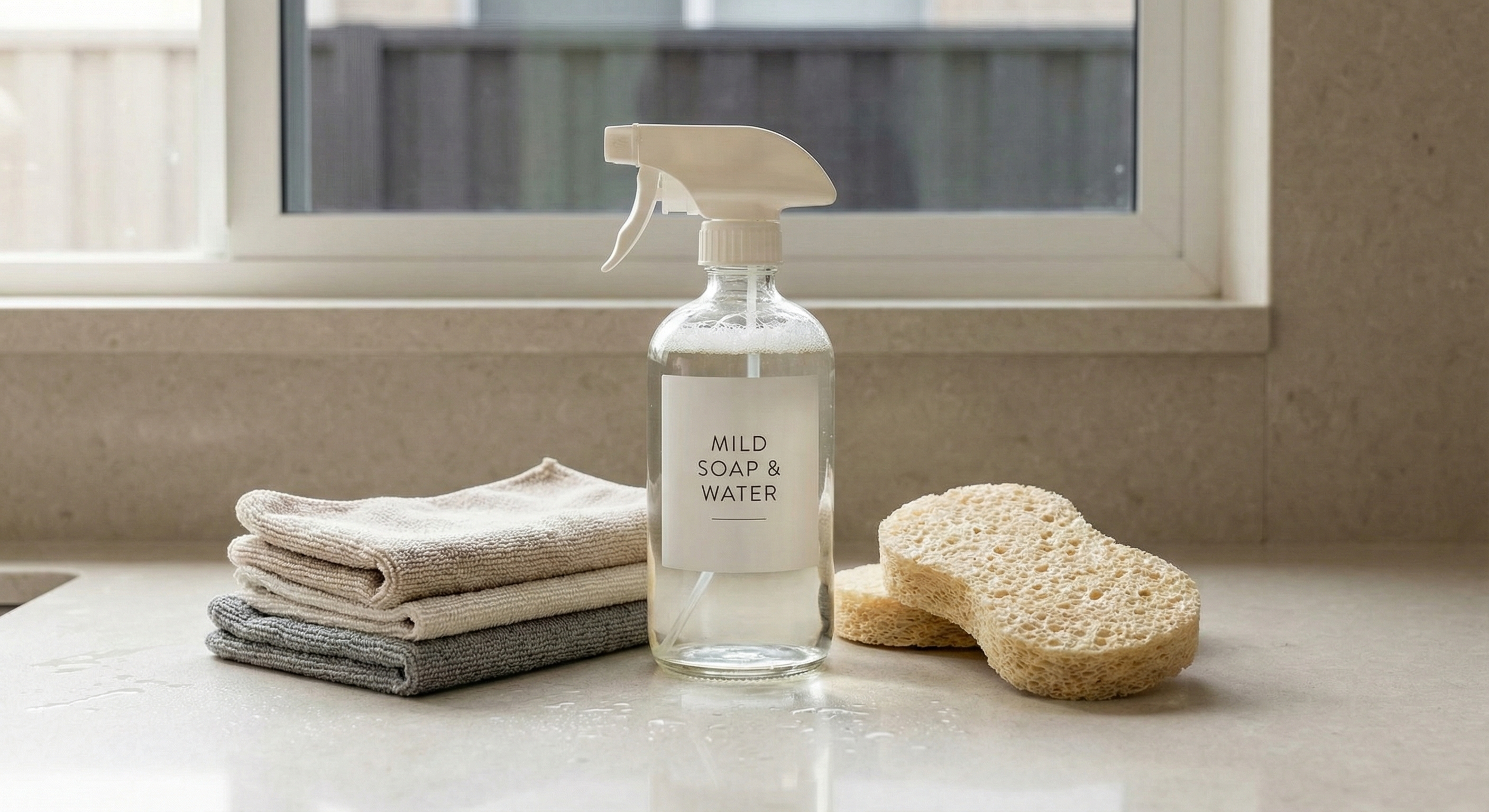
Using the correct cleaning supplies is essential for protecting residential window film. The wrong tools or products can scratch the surface or reduce the film’s lifespan. Choosing safe options helps maintain both appearance and performance.
Window film is durable, but it is not designed to handle harsh chemicals or abrasive materials. Knowing the best way to clean window tint starts with understanding what cleaners are safe for window film.
Soft, non-abrasive tools are best for cleaning window film. Microfiber cloths are ideal because they lift dirt without scratching the surface.
Soft sponges can also be used if they are clean and free of grit. Always inspect your cleaning tools before use to make sure they will not damage the film.
Mild cleaning solutions are the safest choice. A simple mixture of gentle soap and water works well for routine cleaning.
Cleaners specifically labeled as safe for window film or tinted windows are also suitable. Apply the cleaner to the cloth instead of spraying directly onto the film to avoid excess moisture near the edges.
Avoid ammonia-based cleaners, strong solvents, and harsh chemicals. These products can break down the film and cause discoloration over time.
Do not use abrasive pads, paper towels, or razor blades. These can scratch or peel the film, leading to permanent damage.
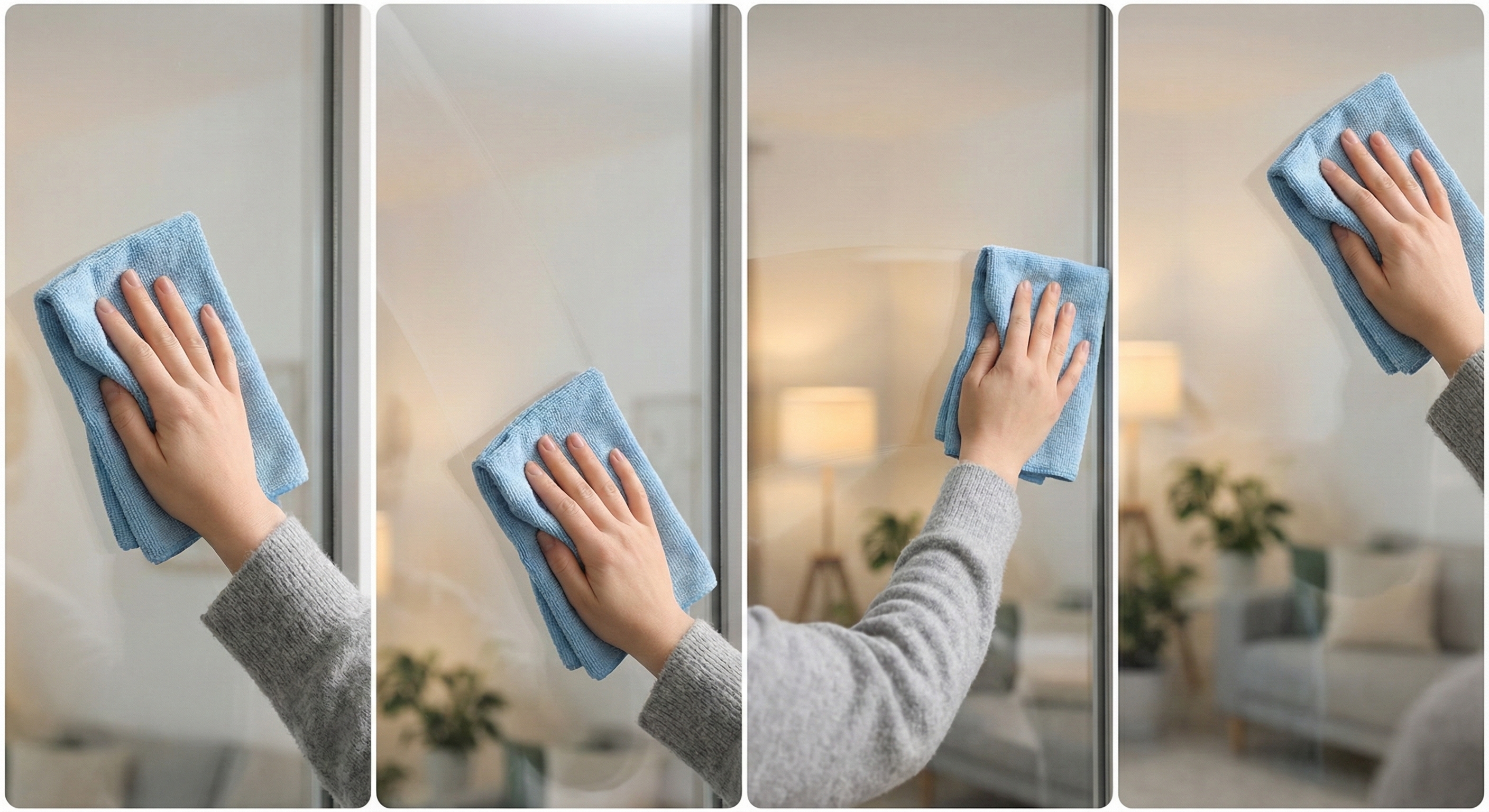
Cleaning residential window film is simple when done correctly. Using the right approach helps prevent damage and keeps the film clear. These steps show how to clean residential window film safely and with confidence.
Always use gentle pressure and soft materials. Rushing the process or scrubbing too hard can affect the film’s surface.
Begin by wiping the window film with a clean, dry microfiber cloth. This removes dust and loose particles that could scratch the surface during cleaning.
Use light, even strokes. Avoid pressing hard or using circular motions that can drag debris across the film.
Dampen a microfiber cloth with a mild cleaning solution. Gently wipe the film from top to bottom to remove smudges and fingerprints.
Do not spray cleaner directly onto the window. Applying the solution to the cloth helps protect the edges of the film from excess moisture.
After cleaning, use a dry microfiber cloth to remove any remaining moisture. Wipe in smooth, straight motions to avoid streaks.
Allow the surface to air dry if needed. Proper drying helps maintain a clear finish and prevents residue from forming on the film.
Regular cleaning helps residential window film stay clear and effective. Knowing how often window film should be cleaned makes maintenance easier and prevents buildup.
Most homes do not need frequent cleaning. A simple routine is enough to keep the film looking good and performing well. Overcleaning can cause unnecessary wear, so balance is important.
A consistent window film maintenance guide helps homeowners avoid guesswork and maintain long-term results.
For most residential spaces, cleaning window film once every few weeks is sufficient. High-traffic areas or windows that are touched often may need more frequent attention.
Light cleaning on a regular schedule prevents dirt from settling and makes each cleaning session quicker and easier.
Seasonal changes can affect how often cleaning is needed. During warmer months, windows may collect more dust or fingerprints due to increased use.
In cooler seasons, less frequent cleaning is usually fine. Adjusting your cleaning routine based on the season helps protect the film and keeps it looking its best.
Cleaning residential window film the right way helps prevent damage and keeps the surface clear. A simple checklist of do’s and don’ts makes it easier to avoid common mistakes.
These window film cleaning do’s and don’ts protect both the look and performance of the film.
Following these steps helps maintain a smooth surface and clear appearance.
These mistakes to avoid when cleaning window film can lead to scratches, peeling, or reduced lifespan.
Protecting residential window film goes beyond regular cleaning. Simple habits can help prevent damage and extend the life of the film. Careful handling keeps the surface smooth and clear over time.
Maintaining window tint on house windows is easier when daily wear is minimized. Small actions can make a noticeable difference in how long the film lasts.
Use gentle pressure whenever cleaning the film. Light wiping reduces the risk of surface marks or scratches.
Keep sharp objects away from windows. Items like keys, tools, or hard decorations can damage the film if they come into contact with it.
Address spills, fingerprints, or smudges early. Prompt cleaning prevents residue from bonding to the surface.
Some issues cannot be fixed with regular cleaning. Persistent bubbles, peeling edges, or visible damage may indicate a larger problem.
If the film looks distorted or begins lifting, stop cleaning. Professional service can help prevent further damage and restore performance.

Even with proper care, residential window film may occasionally show minor issues. Knowing how to identify and address these concerns helps maintain a clean and polished appearance.
These window film maintenance tips for homeowners can prevent small problems from becoming bigger ones.
Streaks and smudges are often caused by residue left behind after cleaning. Using too much cleaner or the wrong cloth can contribute to this issue.
To remove dirt and streaks from window film, wipe the surface again with a clean, dry microfiber cloth. Use smooth, straight motions and light pressure for best results.
Small bubbles or slight haziness can sometimes appear. This is common shortly after installation and often resolves on its own.
If bubbles or edge lifting persist, avoid pressing or attempting to fix them yourself. Applying pressure can damage the film or worsen the problem.
Stop cleaning if the film shows signs of peeling, tearing, or surface damage. Continued cleaning may make the issue worse.
Professional assistance ensures the problem is handled safely. Expert help can restore the film and protect its long-term performance.
For more homeowner-friendly advice, explore our residential window film tips and guides.
Homeowners often have questions about maintaining and cleaning window film. Clear answers help prevent mistakes and support proper care.
For additional answers, visit our window film care FAQs for expert guidance.
Most household glass cleaners are not recommended for window film. Many contain ammonia or harsh chemicals that can damage the film surface.
It is safer to use mild soap and water or cleaners specifically labeled as safe for window film.
Cleaning will not damage window film when done correctly. Using soft tools and gentle cleaners helps protect the surface.
Damage usually occurs when abrasive materials or harsh chemicals are used. Following proper cleaning guidelines keeps the film in good condition.
In most cases, routine homeowner care is enough. However, professional maintenance may be helpful if the film shows signs of damage or lifting.
Professionals can assess the condition of the film and recommend the best solution to maintain performance.
Caring for residential window film does not have to be complicated. Simple habits like gentle cleaning, using safe products, and avoiding harsh tools can make a big difference. Consistent residential window film care helps maintain clarity, comfort, and performance.
Pay attention to how your window film looks over time. Address small issues early and avoid aggressive cleaning methods. These steps support window film longevity and care while protecting your investment.
When in doubt, it is always better to seek expert guidance. If you have questions about cleaning, maintenance, or the condition of your window film, contact American Window Film for professional advice and trusted window film service tailored to your home.



No Comments Yet
Let us know what you think