


Choosing the right window film can make a big difference in keeping your home or office cool. The right film not only reduces heat but also protects your interiors from fading, saves energy, and increases comfort. With so many options available, it can be challenging to figure out which film offers the best value for heat reduction.
This guide will help you understand how heat-reducing window films work, what types are available, and how to choose one that delivers the most performance for your budget.
Heat-reducing window films are thin layers of material applied to glass surfaces. They work by blocking infrared heat and harmful UV rays while still allowing natural light to enter your space. This helps your rooms stay cooler and reduces energy bills because your air conditioning does not have to work as hard.
A heat-reducing window film is designed to reflect or absorb solar energy before it passes through the glass. Some films use metalized coatings, while newer films use ceramic or nano-technology to block heat without affecting visibility. Unlike heavy curtains or blinds, window films are nearly invisible and maintain the view outside.
Installing heat-blocking window film provides several benefits:
The best value films combine heat reduction with long-term energy savings. By lowering solar heat gain, these films can cut energy costs by 15 to 30 percent depending on your building and climate.
They also make interiors more comfortable, especially in rooms with large or south-facing windows. Over time, the energy savings often cover the cost of the film installation, making it a smart investment.
Learn more about the different window film solutions American Window Film offers for heat control and energy efficiency.
Window films reduce heat by blocking the sun’s infrared rays before they enter your space. They can either reflect, absorb, or scatter solar energy depending on the technology used.
There are several types of heat-blocking window films. Metalized films use tiny metallic particles to reflect heat, while ceramic and nano-technology films absorb heat without affecting visibility.
Spectrally selective films target infrared and UV light while allowing natural light to pass through. Low-emissivity films work by reflecting heat back outside, keeping interiors cooler.
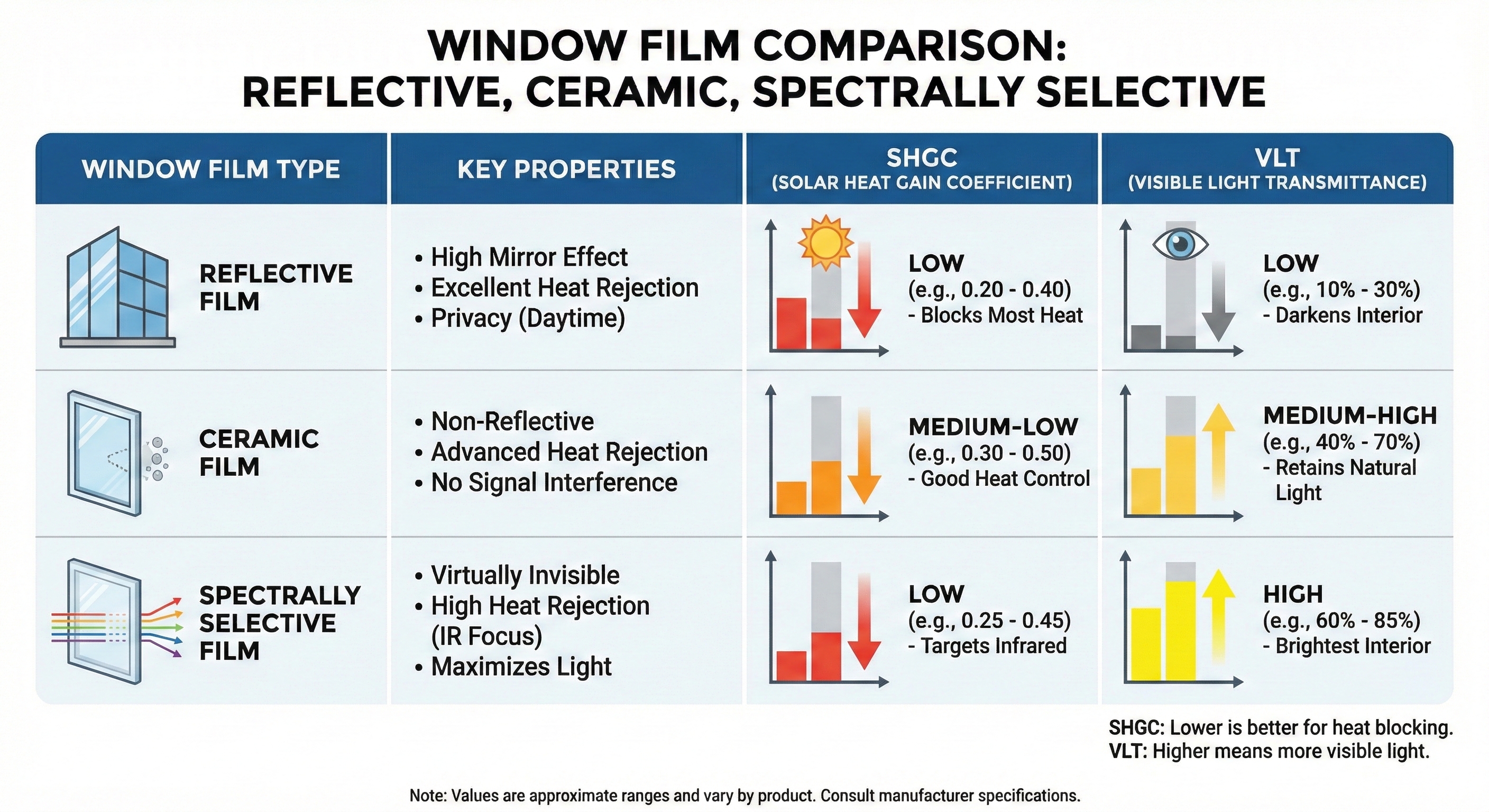
When choosing a window film, look at the solar heat gain coefficient (SHGC), visible light transmission (VLT), and UV protection levels. SHGC measures how much heat enters through the glass, while VLT indicates how much light passes through the film.
UV protection is critical to prevent fading of furniture and flooring. Comparing these metrics helps you find a film that balances heat reduction with natural light.
A lower SHGC means better heat reduction, but a very low VLT can make rooms darker. Choosing the right combination ensures comfort without sacrificing daylight or views.
High UV protection combined with moderate SHGC and VLT is ideal for most homes and offices. This mix keeps interiors cool, bright, and protected from sun damage.
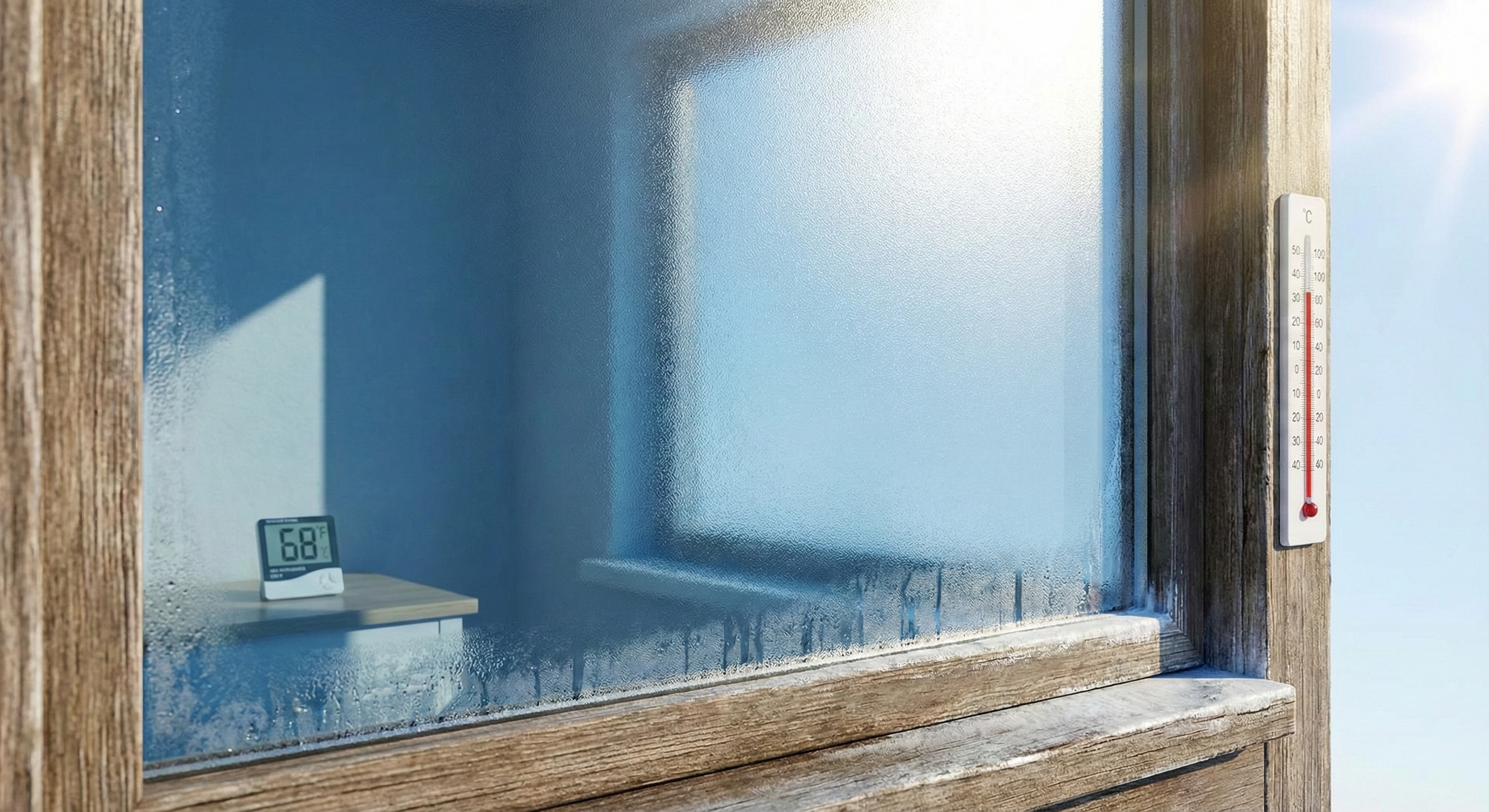
Not all window films perform the same when it comes to reducing heat. Understanding the main types helps you choose the best option for your space and budget.
Reflective films use a thin metallic coating to bounce heat away from windows. They are highly effective at blocking heat but can give glass a mirrored appearance from the outside.
These films are often chosen for offices or homes with strong sun exposure. They are best for large windows where heat reduction is a priority.
Ceramic and nano-technology films block heat without affecting visibility. They are non-metallic and do not interfere with electronic signals.
These films offer long-term durability and superior performance. They are ideal for residential and commercial spaces looking for both heat reduction and clear views.
Spectrally selective films target infrared and UV rays while allowing visible light to pass through. This keeps interiors bright without overheating rooms.
They are effective in hot climates and for south-facing windows. These films balance comfort, energy savings, and natural lighting.
Budget films can reduce heat moderately but may not last as long or block UV effectively. Premium films cost more upfront but offer higher heat reduction, better clarity, and longer lifespan.
Choosing between budget and premium depends on your goals. Consider your climate, window size, and energy-saving priorities before deciding.
Finding a window film that balances cost and heat-blocking performance is key. Some films offer excellent efficiency without a high price tag.
For homes, ceramic and nano-technology films are often the best value. They reduce heat effectively, block UV rays, and maintain clear views through windows.
Reflective films can also work for south-facing or sun-exposed rooms. They are slightly more noticeable but provide strong heat reduction for sunny climates.
For offices and commercial buildings, spectrally selective and Low-E films are ideal. They reduce glare, lower cooling costs, and help maintain a comfortable workspace.
Reflective films can be used on large glass facades to minimize solar heat gain. Choosing films that balance energy savings with visibility is important for staff comfort.
Comparing cost and performance helps find the best value. Budget films generally cost less but block less heat and have shorter lifespans.
Mid-range films offer moderate heat reduction and longer durability.
Premium films cost more but provide superior heat reduction, UV protection, and long-term savings.
When selecting a film, consider installation costs, performance ratings, and how long it will last. A slightly higher upfront cost can pay off with energy savings over time.
Explore top residential heat reduction films in this detailed guide by American Window Film.
Choosing the right window film depends on your building type, climate, and sunlight exposure. The goal is to balance heat reduction, natural light, and energy savings.
Rooms with direct sunlight or south-facing windows need films with higher heat-blocking performance. In cooler climates, moderate heat reduction may be enough to maintain comfort without darkening rooms too much.
The intensity and duration of sunlight also affect the type of film you choose. Understanding your local climate helps select a film that performs efficiently year-round.
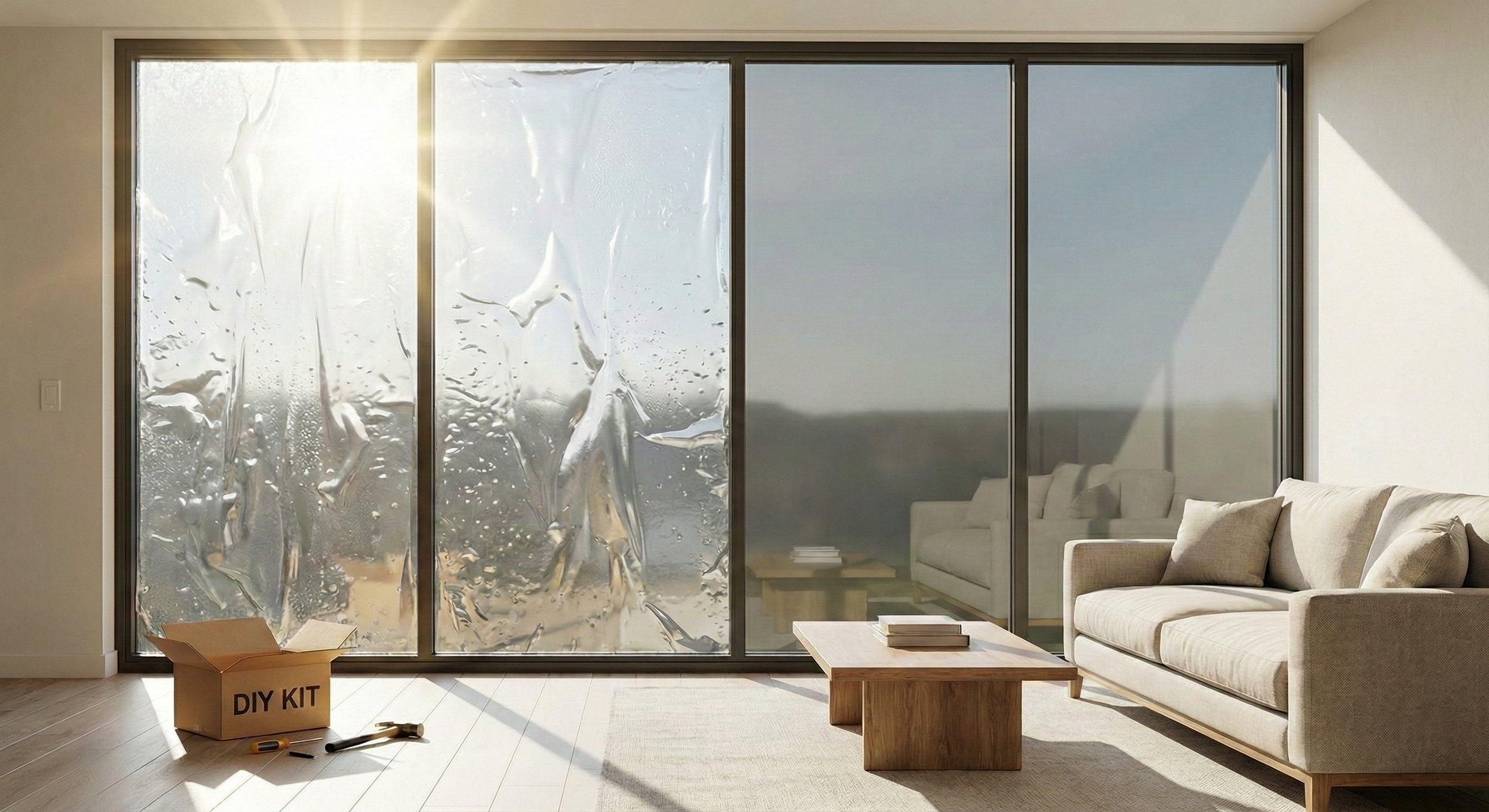
Some window films can be installed as a DIY project. However, professional installation ensures proper application, fewer bubbles, and longer-lasting results.
Complex or large windows benefit from expert installation. Professionals can also advise on the best film type for specific heat-blocking needs.
Window films have different lifespans depending on quality and installation. Premium films can last 10–15 years, while budget options may fade or peel sooner.
Maintaining the film properly ensures it continues blocking heat effectively. Considering long-term energy savings and maintenance costs helps determine the best value for your investment.
See how solar film can reduce heat, cut glare, and enhance comfort in your home.

Proper installation is essential to get the most out of your window film. Even the best film will perform poorly if applied incorrectly.
Hiring a professional ensures the film is applied smoothly without bubbles or creases. Professionals also have the tools to cut and fit the film precisely for each window.
A professional install can improve the film’s lifespan. It also ensures maximum heat reduction and energy savings.
DIY installation can lead to wrinkles, dust under the film, or uneven application. These mistakes reduce both the appearance and effectiveness of the film.
Avoid installing on hot or humid days, as the film may not adhere properly. Following manufacturer instructions carefully is crucial for any DIY attempt.
Cleaning window films regularly prevents dirt from affecting performance. Use a soft cloth and mild soapy water, avoiding harsh chemicals or abrasive tools.
Check for peeling edges or damage over time and repair as needed. Proper maintenance keeps the film effective at reducing heat for years.
Choosing the right window film can make a big difference in comfort, energy savings, and protecting your interiors. By understanding heat-reducing technology and comparing types, you can find a film that offers the best value for your home or office.
Consider factors like climate, sunlight exposure, and long-term savings when selecting a film. For expert advice and professional installation, contact American Window Film to help you choose the perfect solution.

No Comments Yet
Let us know what you think