

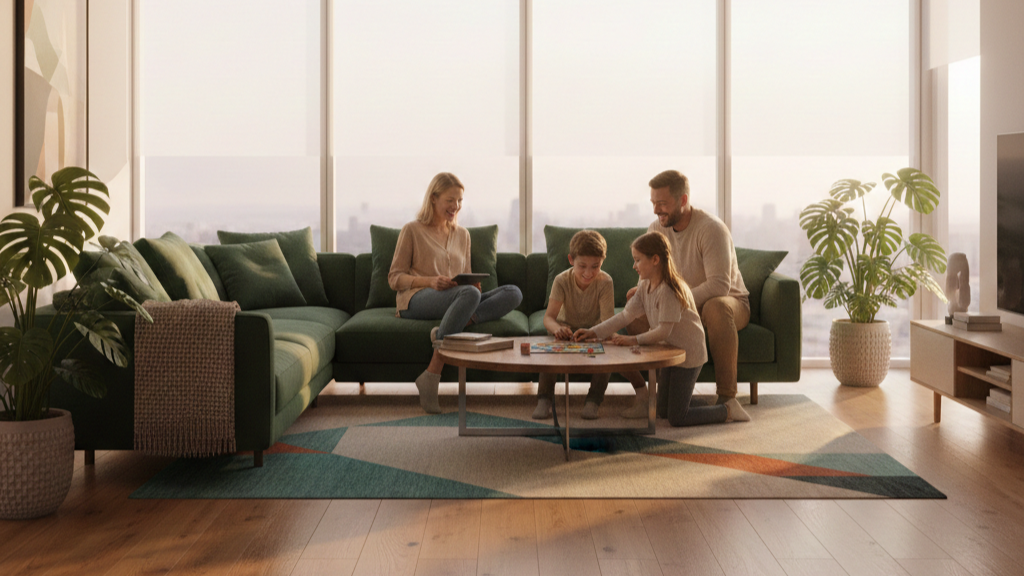
UV rays are not just a concern outdoors—they can cause significant damage indoors as well. Sunlight passing through windows can fade furniture, discolor flooring, and even harm your skin over time. Many homeowners and office managers underestimate the long-term effects of unfiltered UV exposure.
UV blocking window films offer a simple and effective solution. These films are applied directly to windows to filter out harmful UVA and UVB rays, protecting interiors and occupants alike. With the right film, you can preserve the color and integrity of your furniture and flooring while reducing the risk of skin damage for anyone spending time near windows.
In this article, we’ll explore how UV blocking window films protect furniture, flooring, and skin, explain the science behind them, compare different film options, and provide practical tips for choosing and installing the right solution for your home or office.
Ultraviolet (UV) radiation is a type of energy produced by the sun. While sunlight is essential for life, UV rays can be harmful to both your body and your home. There are two main types of UV rays that penetrate windows: UVA and UVB. UVA rays can penetrate deep into the skin and cause premature aging, while UVB rays are responsible for sunburn and can damage the outer layers of skin. Both types contribute to the fading and deterioration of furniture, flooring, and other interior materials over time.
Even indoors, UV rays can pass through standard window glass. While some glass blocks a small portion of UVB, most windows do not filter UVA, which is the type that penetrates deeply and causes long-term damage. This means that furniture, carpets, flooring, and skin can still be exposed to harmful rays throughout the day, especially in sunlit rooms.
UVA rays are longer, less intense, and penetrate deeper into the skin. They are largely responsible for aging and indirect damage to interiors. UVB rays are shorter, more intense, and can cause surface-level damage, including sunburn and fading of fabrics or wood finishes. Both types accumulate damage over time, making consistent protection essential.
Not all windows block UV rays equally. Standard single-pane glass allows a large portion of UVA to enter, while double-pane windows may block some UVB but still leave interiors at risk.
Special coated or laminated glass can reduce UV penetration, but UV blocking window films provide a much more reliable and cost-effective solution to protect furniture, flooring, and skin without sacrificing natural light.
UV blocking window films are thin, transparent layers applied directly to the surface of windows. They are designed to filter out harmful ultraviolet rays while allowing natural light to enter your space. By doing so, these films protect furniture, flooring, and skin from the damaging effects of sunlight.
The science behind UV blocking is simple yet effective. The films contain special coatings or embedded particles that absorb or reflect UV radiation before it can pass through the glass. This means the harmful UVA and UVB rays are stopped at the window, preventing long-term damage to interiors and reducing skin exposure indoors.
There are several types of UV blocking window films tailored to different needs:
UV films work by absorbing, scattering, or reflecting UV rays, depending on the technology used. Some films contain nanoparticles or metallic layers that reflect UV light, while others chemically absorb UV energy to prevent it from passing through the glass. The result is a safer indoor environment, with reduced fading of furniture and flooring, and less risk of skin damage for people indoors.
By combining natural light with protection, UV blocking window films are an effective and affordable way to safeguard both your interiors and your health. They are versatile, easy to maintain, and an excellent addition to any home or office exposed to sunlight.
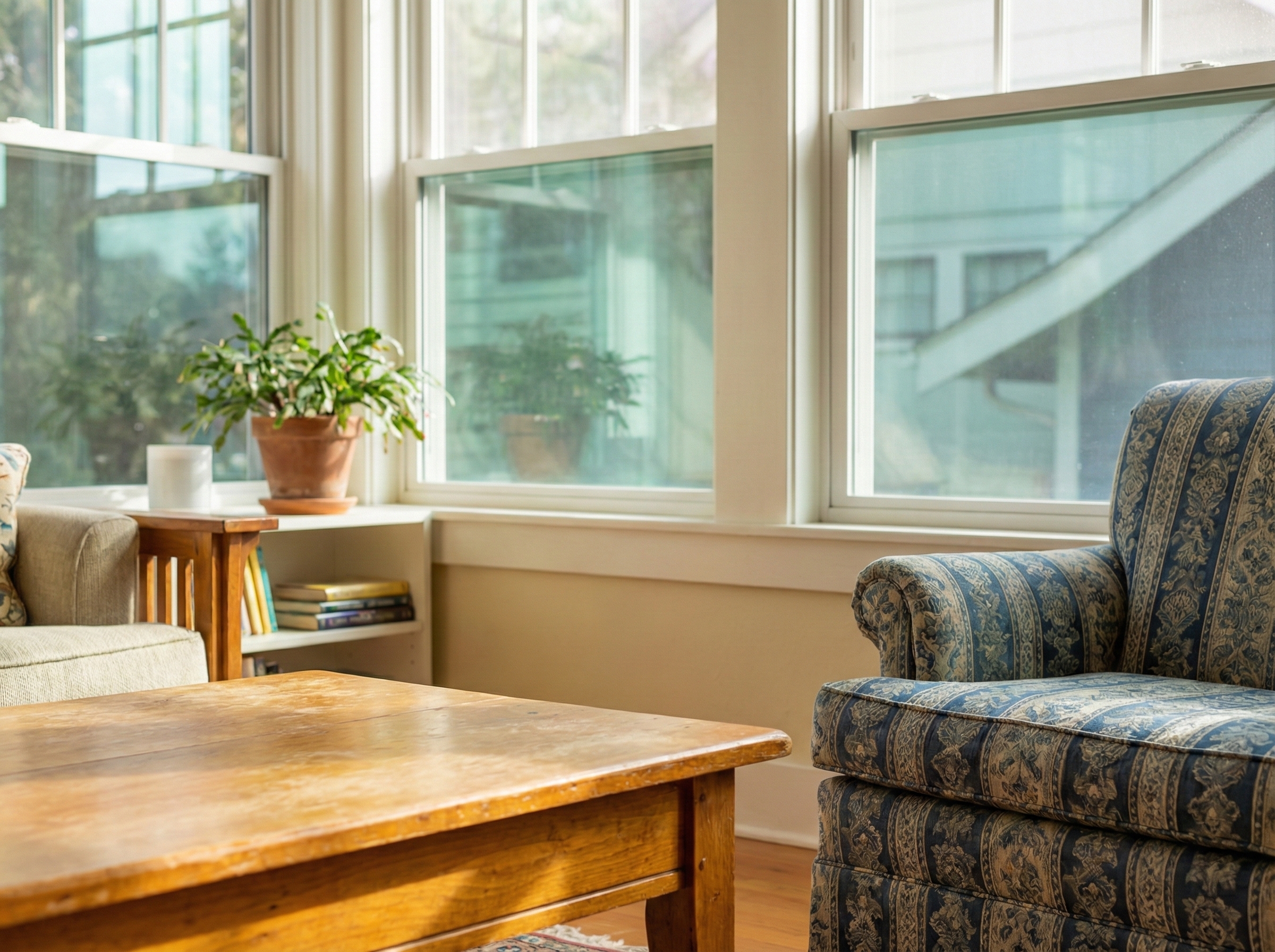
Sunlight can be deceptively damaging indoors. Even indirect sunlight entering through windows contains UV rays that break down dyes, fabrics, and finishes on furniture and décor. Over time, this exposure can cause fading, discoloration, and structural damage to valuable pieces in your home or office. UV blocking window films provide a reliable solution, filtering harmful rays before they reach your interiors.
Applying UV blocking films to your windows helps maintain the original color, texture, and longevity of furniture and décor. By reducing UV exposure, these films prevent premature aging of materials, keeping your interiors vibrant and attractive for years.
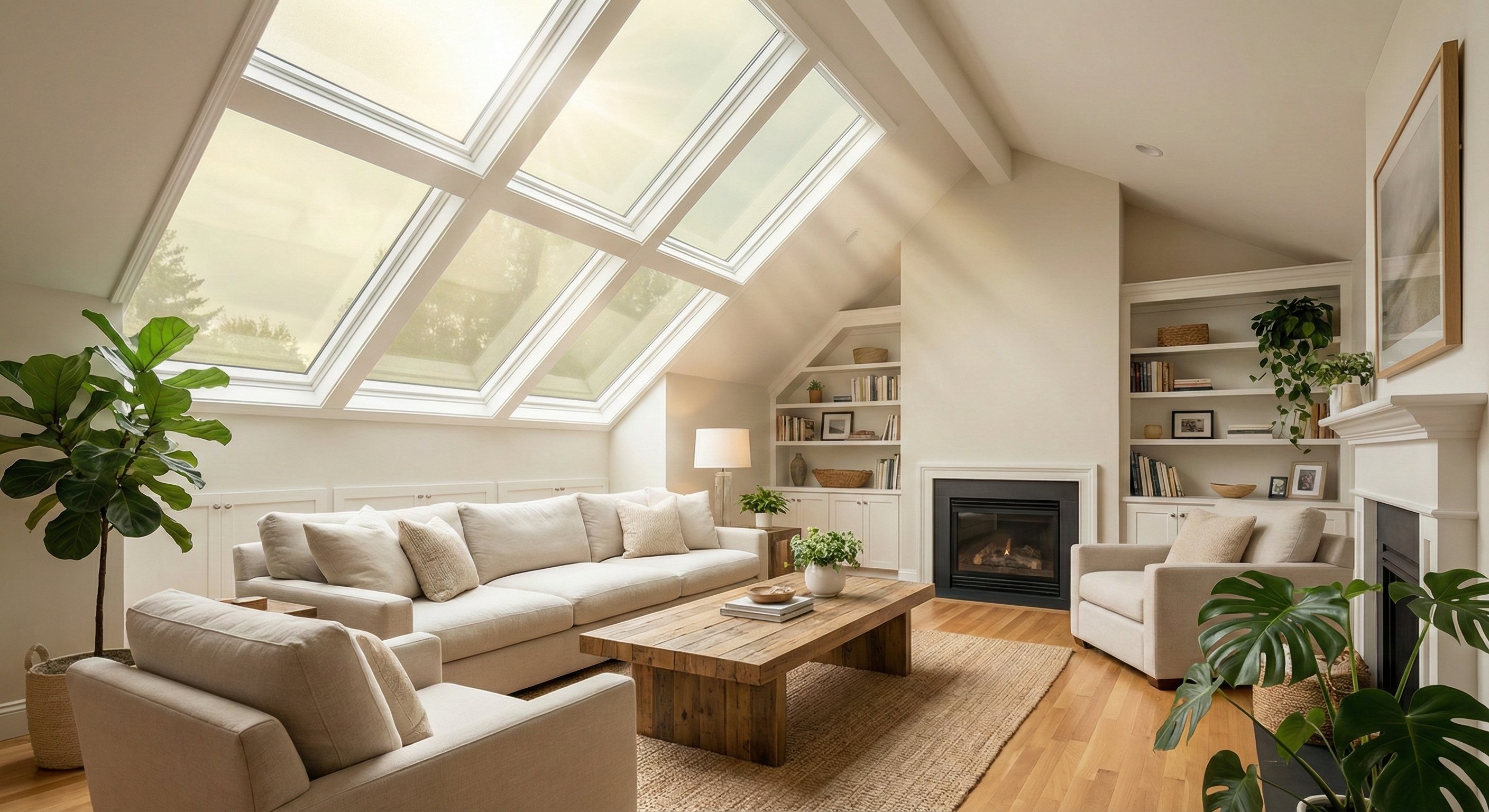
Consider a sunlit living room with large windows. Without protection, the sofa fabric and wooden coffee table gradually fade, losing their original appeal within a few years. With UV blocking window films, the furniture maintains its color, the finish on wood remains intact, and upholstery retains its vibrant appearance. Over time, this protection can save homeowners the cost of early replacement or refinishing of furniture and décor.
By investing in UV blocking films, you’re not just preserving aesthetics—you’re also protecting the value and longevity of your interiors. Whether it’s a home or office, UV protection ensures that furniture, artwork, and decorative pieces continue to look as beautiful as the day they were installed.
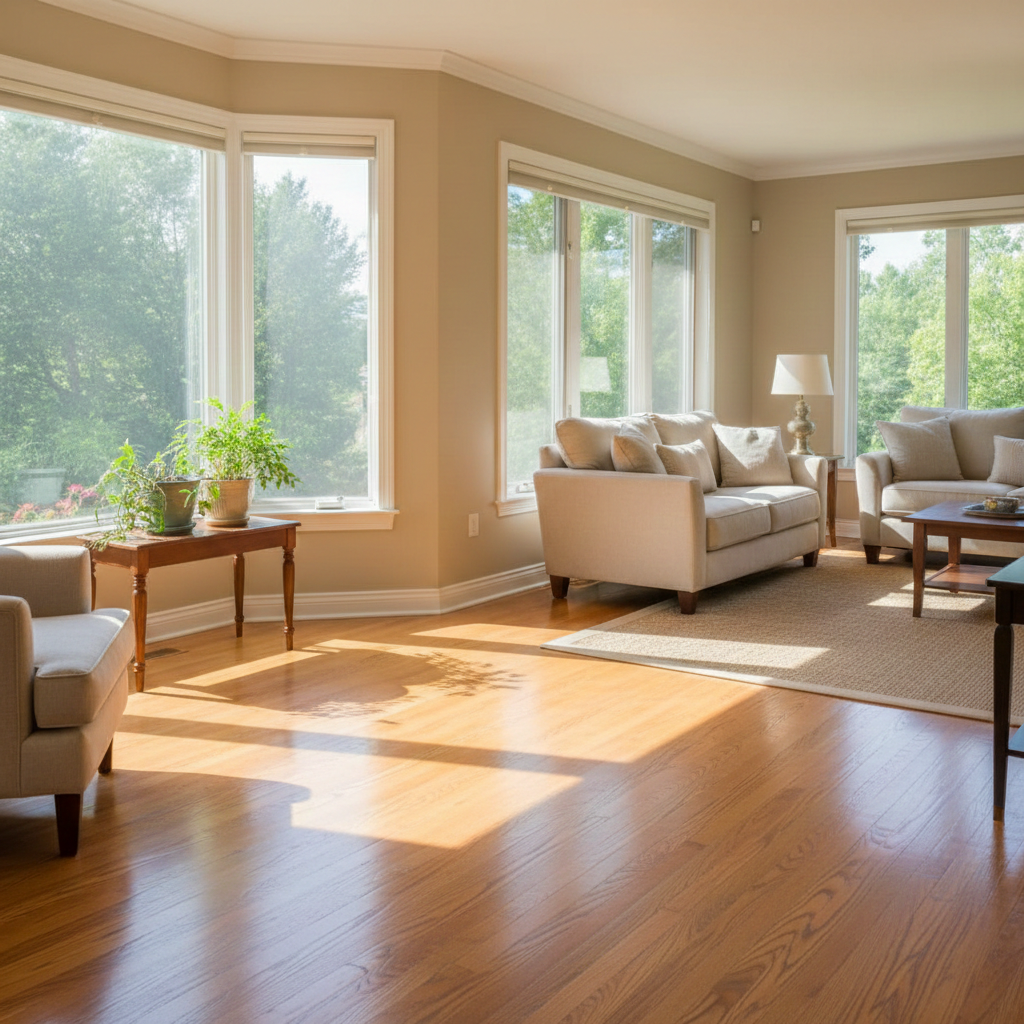
UV rays don’t just affect furniture—they can also cause significant damage to flooring. Hardwood, carpet, tile, and laminate floors are all vulnerable to fading, discoloration, and structural weakening when exposed to prolonged sunlight. Even windows that seem shaded allow enough UV to slowly deteriorate flooring over time. UV blocking window films are an effective way to protect your floors while still allowing natural light into your home or office.
By filtering out harmful UVA and UVB rays, these films prevent color fading and fiber degradation. Floors maintain their original appearance longer, reducing the need for costly replacements or refinishing. Whether it’s a living room, hallway, or office space, UV protection ensures your flooring looks as good as the day it was installed.
UV rays break down the chemical bonds in flooring materials. On hardwood, sunlight can lighten the wood unevenly and cause drying, which leads to cracks or warping. Carpets can lose vibrant color, and their fibers may weaken. Even tiles and laminates may discolor or develop uneven patterns when exposed to unfiltered UV light. Over time, the cumulative effect of sunlight can significantly reduce the lifespan of flooring materials.
Different flooring materials require slightly different protection approaches:
With the right UV blocking window film, your floors remain vibrant and structurally sound for years. It’s a simple, cost-effective step to protect one of the most valuable and visible parts of your interiors.

Many people think that staying indoors fully protects them from the sun, but windows allow significant amounts of UV radiation to enter. UVA rays, in particular, can penetrate glass and reach your skin, causing premature aging, wrinkles, and increasing the long-term risk of skin cancer.
UV blocking window films provide an essential layer of protection for anyone spending time near windows, whether at home or in the office.
By filtering out up to 99% of harmful UVA and UVB rays, these films reduce skin exposure while still allowing natural sunlight to brighten the room. This means you can enjoy daylight without compromising your health.
Even moderate exposure to UVA and UVB rays indoors can have cumulative effects over time. UVA penetrates deep into the skin, breaking down collagen and elastin, which accelerates aging. UVB affects the outer layers of the skin, increasing the risk of sunburn and DNA damage. Combined, prolonged exposure contributes to skin discoloration, premature aging, and an elevated risk of skin cancer.
Installing UV blocking window films creates a safer indoor environment for everyone:
In addition to protecting furniture and flooring, UV blocking window films safeguard the health of occupants, providing peace of mind and creating a more comfortable indoor environment.
Beyond protecting furniture, flooring, and skin, UV blocking window films offer several other advantages that enhance comfort and efficiency in both homes and offices. They provide a cost-effective way to improve your indoor environment while maintaining natural light.
UV films help diffuse sunlight, reducing glare on TVs, computer monitors, and other reflective surfaces. This makes working, reading, or relaxing near windows much more comfortable. Offices benefit from improved productivity, while living spaces feel more inviting without harsh reflections disrupting activities.
By filtering out UV rays and reducing solar heat gain, UV blocking films help maintain consistent indoor temperatures. Rooms stay cooler during hot months, reducing the need for air conditioning and lowering energy bills. Over time, these energy savings can offset the cost of film installation, making it a smart investment for both residential and commercial spaces.
In addition to health and interior protection, these films create a more enjoyable living and working environment. They allow sunlight in without the negative side effects, combining safety, comfort, and efficiency in one simple solution.
Selecting the right UV blocking window film ensures maximum protection for furniture, flooring, and skin while enhancing comfort and energy efficiency. Not all films are created equal, so it’s important to consider your specific needs before making a decision.
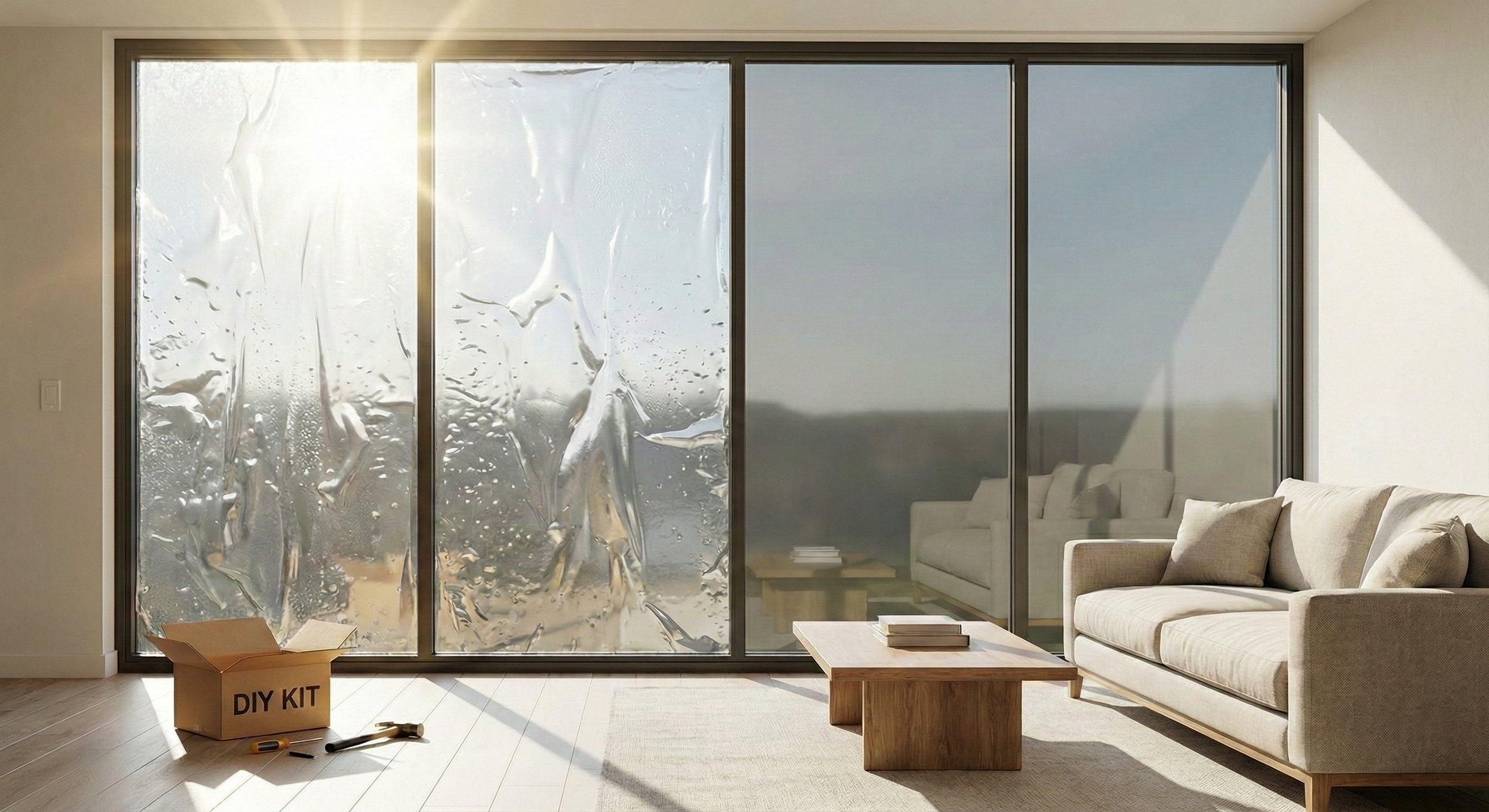
Some window films can be installed by homeowners, but professional installation ensures a smooth, bubble-free finish and guarantees the film’s performance and longevity. Professionals also provide guidance on the best film type for your specific space.
UV blocking films outperform blinds, curtains, or specialty coatings because they provide continuous protection without sacrificing natural light. Unlike temporary shading solutions, films work all day, every day, filtering harmful UV rays while preserving visibility.
High-quality films can block up to 99% of UVA and UVB rays, providing strong protection for furniture, flooring, and skin.
Most UV films are designed to be clear or lightly tinted, allowing natural light to enter while filtering harmful rays.
With proper care and professional installation, films typically last 10–15 years. Longevity depends on the type of film and sunlight exposure.
Some films are suitable for DIY installation, but professional installation ensures a smooth, bubble-free finish and optimal UV protection.
No. Clean films with a soft cloth and mild, non-abrasive cleaner. Avoid harsh chemicals or abrasive tools.
UV blocking window films are an effective way to protect your furniture, flooring, and skin from harmful sunlight. They reduce fading, prevent discoloration, and lower the risk of skin damage while maintaining natural light indoors.
In addition to protection, these films improve comfort, reduce glare, and help save energy by keeping rooms cooler. Whether for your home or office, investing in high-quality UV blocking window films is a smart choice for long-term interior preservation and health.
Contact American Window Film today to find the perfect UV protection solution for your space.

No Comments Yet
Let us know what you think