

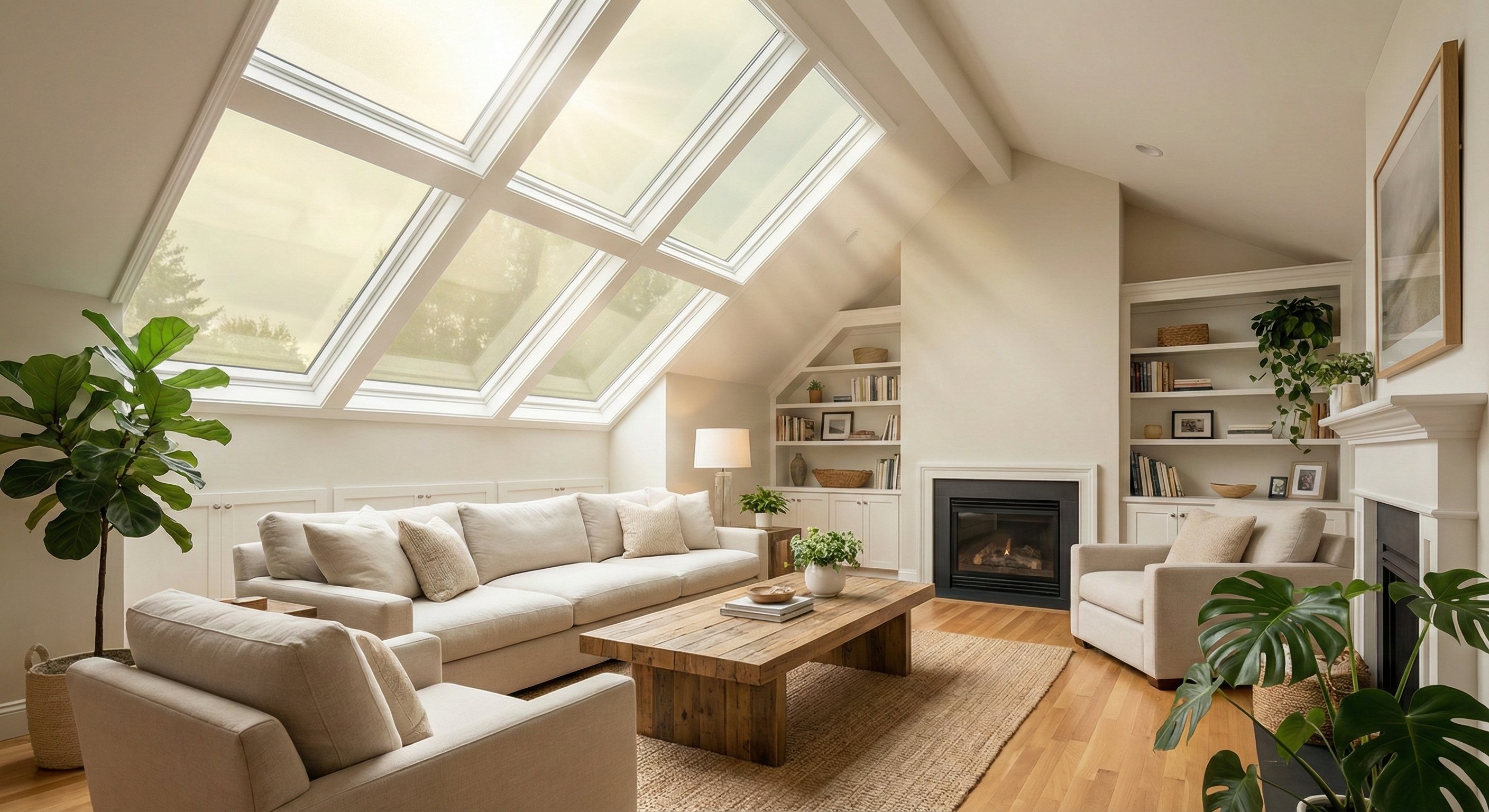
Skylights let natural light fill your home, creating bright and inviting spaces. But along with sunlight comes heat, glare, and harmful UV rays that can damage furniture and flooring. Installing window film on your skylights is a smart solution that protects your interiors while keeping your home comfortable.
Window films are designed to reduce heat, minimize glare, block UV rays, and even enhance your home’s appearance. They can save you money on energy bills and make your living spaces more enjoyable year-round.
In this article, you’ll discover the key benefits of skylight window films, how to choose the right type, and tips for maintenance.
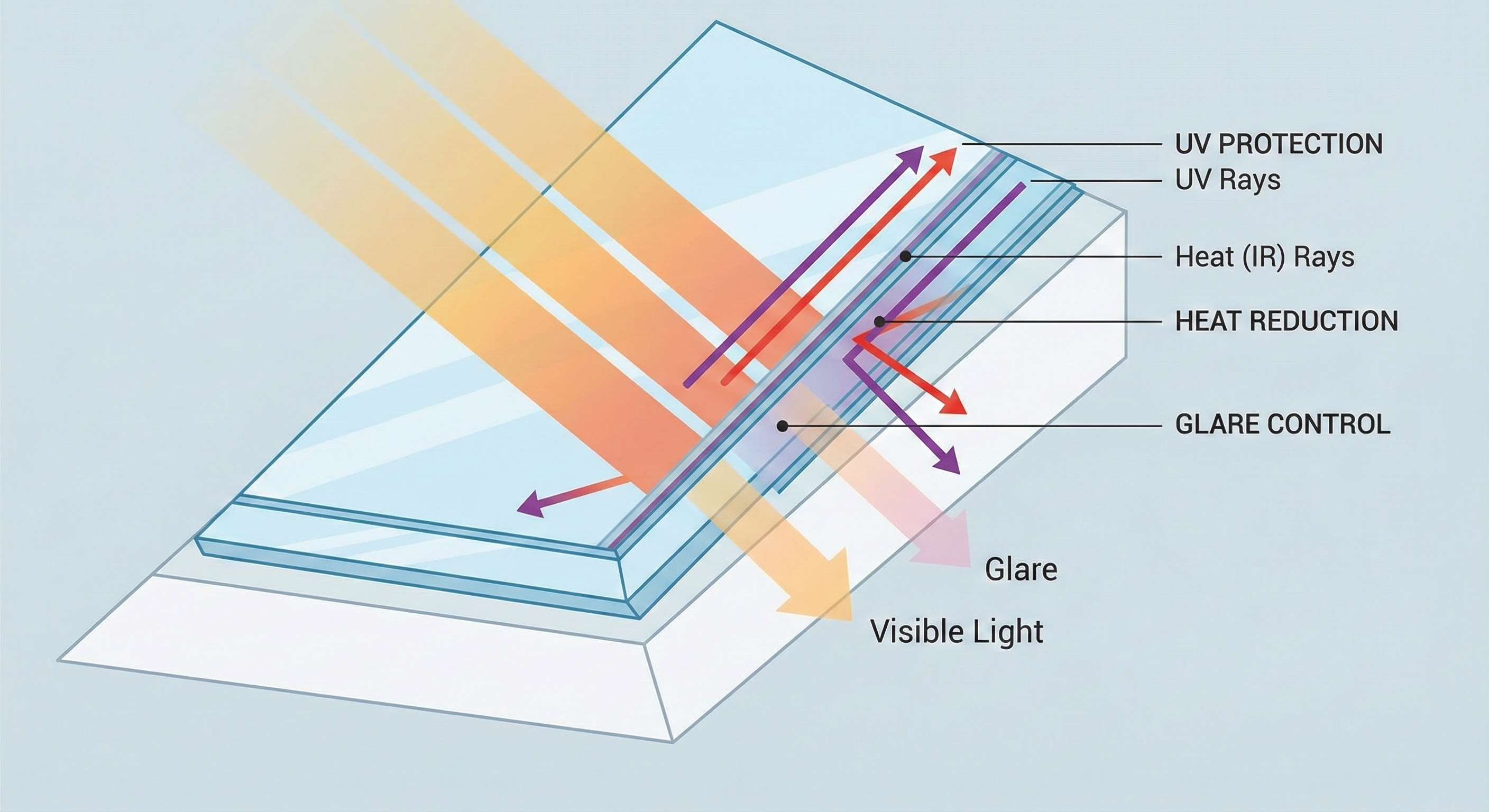
Window films are thin layers of polyester or specialized materials applied directly to the glass surface of your skylights. They act as a barrier, controlling the amount of sunlight, heat, and UV rays that enter your home without blocking natural light. This means you can enjoy bright rooms while protecting your interiors and improving comfort.
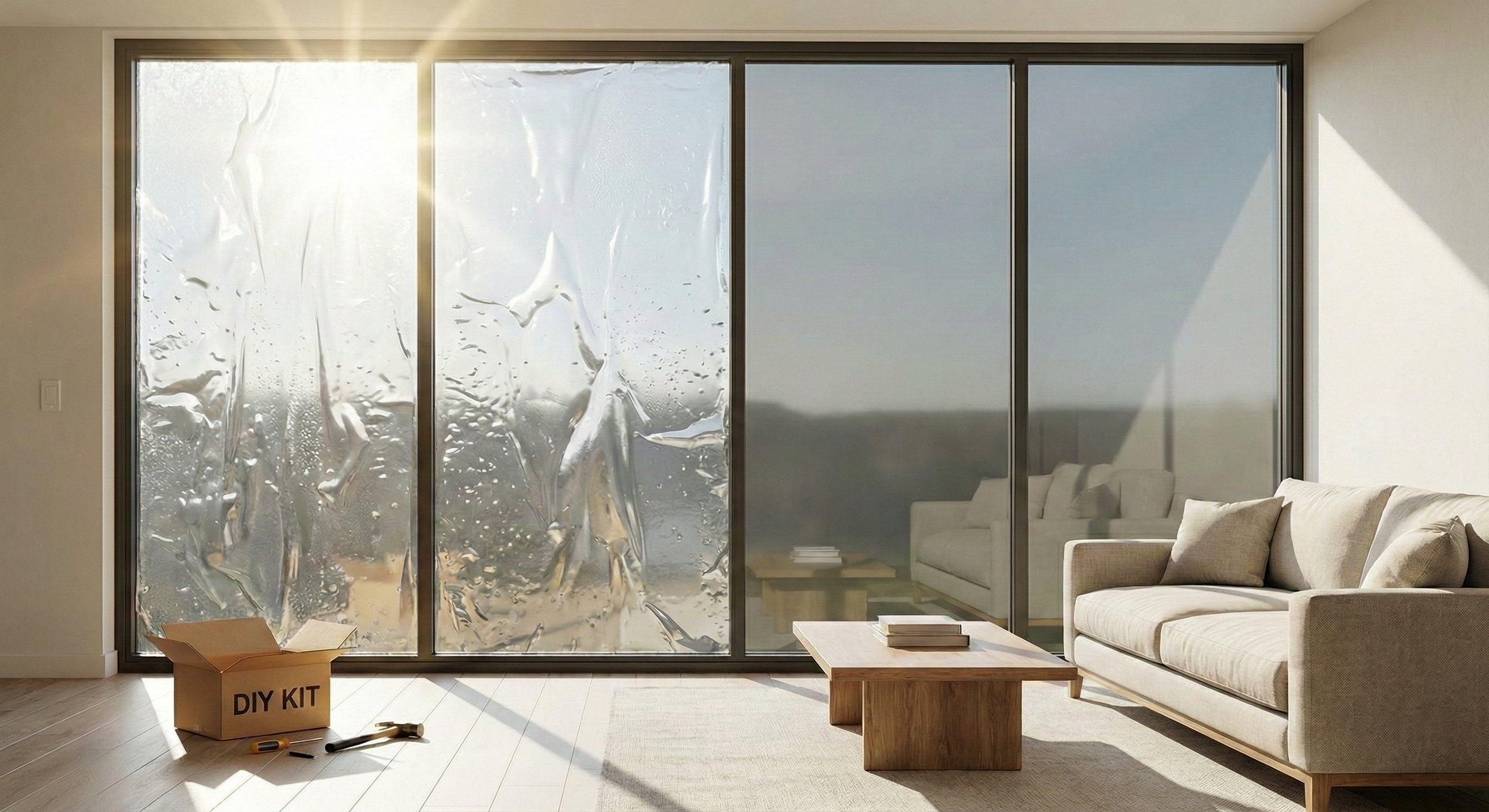
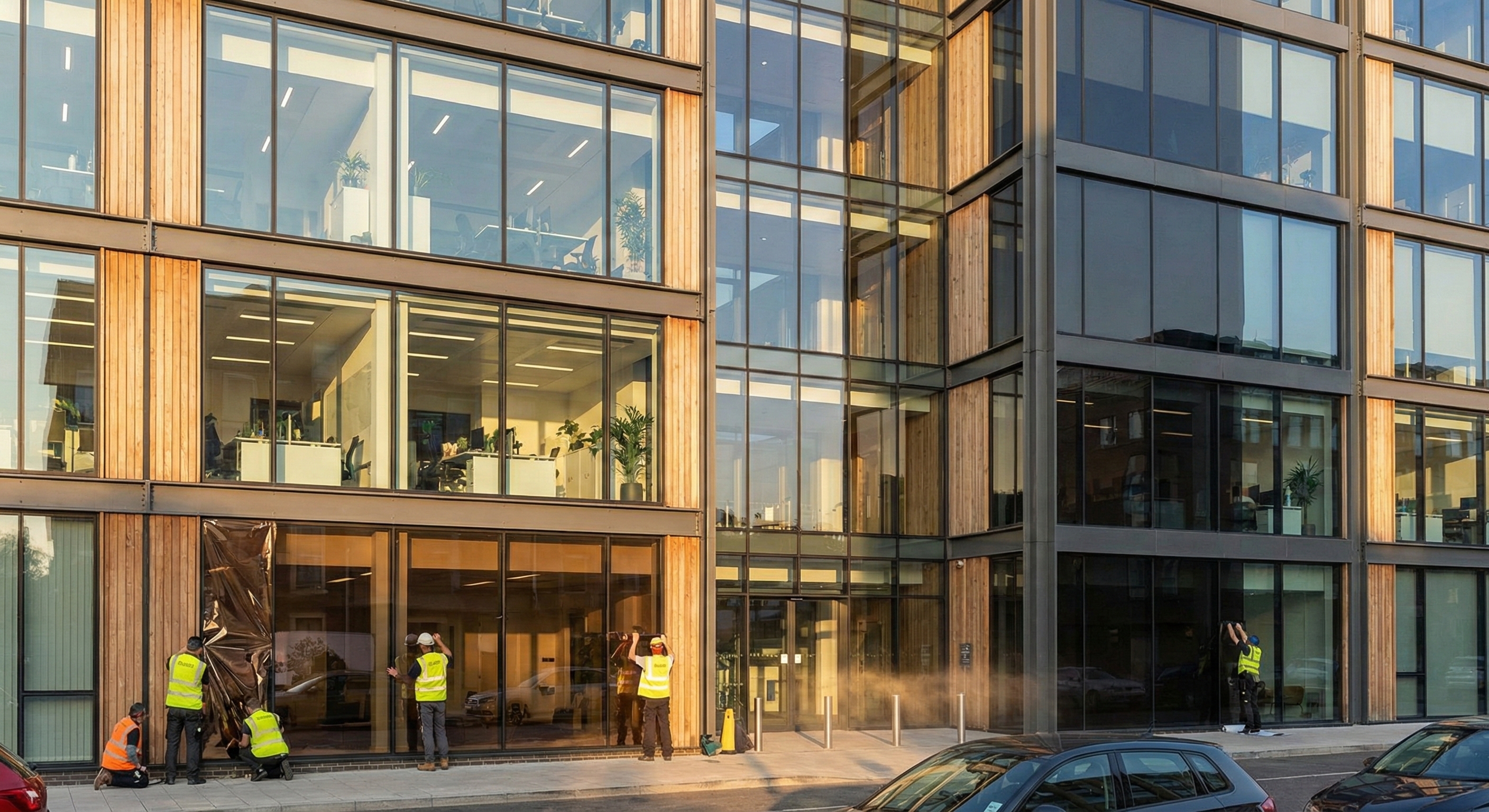
Window films can be installed by professionals or as a DIY project for smaller skylights. Professional installation ensures a smooth, bubble-free finish and maximum performance. Key factors to consider include the type of glass, skylight angle, and the climate in your area.
By understanding how window films work, you can make an informed choice that balances comfort, energy efficiency, and protection for your home. Proper selection and installation will maximize the benefits of your skylights without compromising on natural light.
Installing window film on your skylights offers multiple advantages that go beyond just blocking sunlight. These films improve comfort, protect your interiors, and even enhance the look of your home.
Sunlight through skylights can cause fading on furniture, hardwood floors, carpets, and artwork. UV-blocking window films can block up to 99% of harmful rays, keeping your interiors looking new for years. This prevents expensive replacements and maintains the aesthetic appeal of your home.
Glare from direct sunlight can make it difficult to watch screens, read, or work comfortably. Skylight window films reduce this glare while still allowing natural light, creating pleasant and usable spaces throughout the day.
Some window films come in decorative or tinted options, adding style to your skylights while maintaining transparency. These films can complement your home’s design while providing privacy and a polished look.
By controlling heat gain through skylights, window films reduce the load on air conditioning systems. This helps maintain a consistent indoor temperature and can lower energy bills significantly over time.
Installing window film is a simple upgrade that provides protection, comfort, and style for your home. By addressing heat, glare, and UV exposure, it ensures your skylights remain a benefit rather than a source of problems.
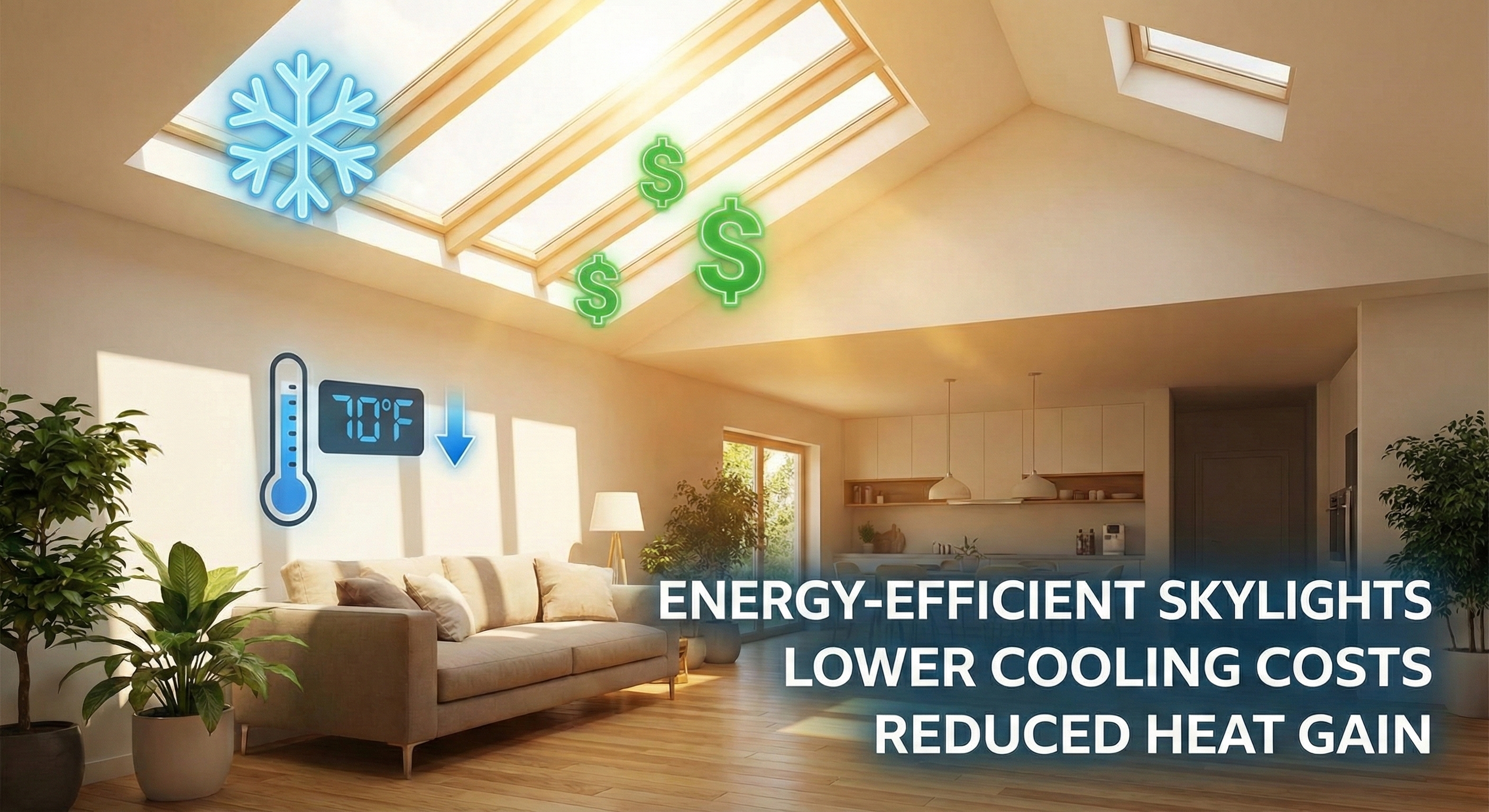
Skylight window films are a smart way to make your home more energy-efficient. By reducing the heat that enters through skylights, these films help maintain a consistent indoor temperature. This means your air conditioning system doesn’t have to work as hard, which can lower energy bills.
During sunny days, skylights can let in a lot of heat, making rooms uncomfortable and driving up cooling costs. Heat-reducing window films block a significant portion of this solar heat while still allowing natural light. Homeowners often notice a decrease in energy use, especially during summer months, which translates to real savings.
While installing window film has an upfront cost, the energy savings over time make it a cost-effective choice. Reduced air conditioning bills and protection from UV damage prevent expensive repairs or replacements for furniture, flooring, and artwork. This makes skylight films a smart investment for both comfort and your wallet.
Using window films not only saves money but also reduces your home’s energy consumption. Lower energy usage means fewer emissions from power plants, making this a small but effective way to reduce your carbon footprint.
Energy-efficient skylight films are a practical upgrade that combines comfort, cost savings, and environmental benefits. They ensure your home stays cooler in summer, protect your interiors, and save money on energy bills year after year.
Not all window films are the same. Choosing the right type for your skylights ensures you get the maximum benefits for comfort, protection, and energy savings.
The price of window film depends on the type, thickness, and size of your skylights. Professional installation adds to the cost but ensures a smooth, bubble-free finish. While DIY options may be cheaper, professional installation often provides better long-term performance.
To choose the right film, consider your goals: Are you focused on reducing heat, protecting interiors, enhancing aesthetics, or all three? Matching the film type to your needs ensures the best results. Consulting with a professional can help identify the right product for your home’s skylights, ensuring energy savings and long-lasting protection.
Selecting the right window film is a simple step that can make a big difference in comfort, cost, and protection for your home.
Once installed, skylight window films are designed to last for many years, but proper care ensures they perform at their best. Regular maintenance keeps the films clear, effective, and looking like new.
Clean your skylight films with a soft cloth or sponge and a mild, non-abrasive cleaner. Avoid harsh chemicals or scrubbing pads, as they can scratch or damage the film. Cleaning regularly prevents dust, dirt, and smudges from reducing light transmission and clarity.
Most quality skylight films last between 10 to 15 years, depending on the type, exposure to sunlight, and climate conditions. Professional installation and proper care can extend the lifespan, ensuring long-term protection against UV rays, heat, and glare.
By following these simple steps, your skylight window films will continue to protect your interiors, enhance comfort, and maintain energy efficiency for years to come.
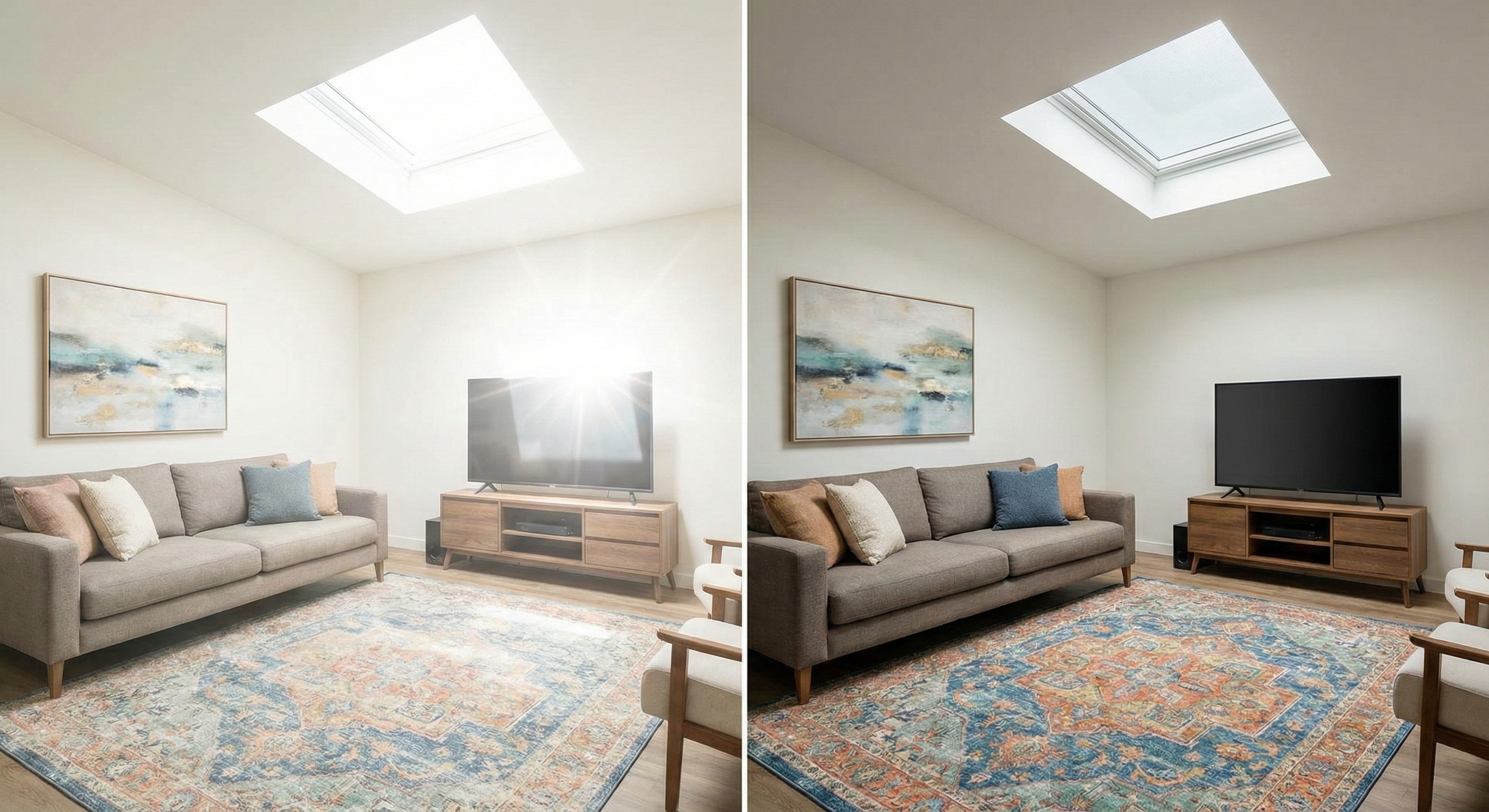
Seeing how skylight window films perform in real homes can help you understand their benefits. Many homeowners have experienced noticeable improvements in comfort, energy efficiency, and interior protection after installation.
In one sunny home, the living room skylight caused intense glare in the afternoons, making it difficult to watch TV or work. After installing heat-reducing and UV-blocking films, the glare was reduced significantly while natural light remained bright. The homeowner also noticed a cooler room temperature and a drop in energy bills during the summer months.
Another case involved a homeowner concerned about fading on hardwood floors and furniture in a sunroom. After applying UV-blocking films to the skylights, the floors and furniture retained their color, preventing costly replacements. The natural light was preserved, and the space became more enjoyable throughout the day.
Many homeowners report that skylight window films made a “dramatic difference” in their daily comfort. Reduced glare, lower cooling costs, and long-term protection of interiors are consistent benefits mentioned by satisfied users.
These real-world examples show that skylight films are not just a theoretical solution, they provide tangible improvements in home comfort, energy efficiency, and interior protection. Investing in high-quality films and professional installation ensures homeowners enjoy these benefits for years.
Many homeowners hesitate to install skylight window films because of common myths. Understanding the facts helps make an informed decision.
Some people believe window films will make rooms dark and gloomy. In reality, most films are designed to reduce heat and glare without significantly blocking natural light. Your rooms stay bright and inviting while becoming more comfortable.
Another misconception is that applying window film is difficult or costly. While professional installation ensures the best results, many homeowners find it straightforward and cost-effective. High-quality films provide long-term savings that quickly offset the installation cost.
Skylight window films are simple, practical solutions that enhance comfort, protect interiors, and reduce energy costs without compromising light or aesthetics.
Homeowners often have questions before installing window film on their skylights. Here are the most common ones answered.
Most high-quality films last 10 to 15 years. Proper installation and regular maintenance can extend this lifespan.
Yes. Professional removal is recommended to avoid damaging the glass. DIY removal is possible but requires care to prevent scratches.
No. Skylight films are designed to reduce heat and glare while preserving natural light, keeping your rooms bright and comfortable.
Yes. Heat-reducing films limit solar heat gain, which reduces the load on air conditioning systems and helps lower energy costs over time.
Professional installation ensures a smooth, bubble-free finish. For smaller skylights, some homeowners successfully install films themselves using proper tools and techniques.
Skylight window films are practical, effective, and easy to maintain, offering homeowners improved comfort, energy efficiency, and protection for interiors.
Installing window film on your skylights is an easy and effective way to enhance comfort, reduce glare, protect your interiors, and save on energy costs. With a variety of films available, homeowners can choose the right solution for their needs and enjoy long-lasting benefits.
No Comments Yet
Let us know what you think