

How long do window films last?
This is one of the most common questions property owners ask before installing window film.
In most cases, professionally installed window films last 10 to 20 years.
The exact lifespan depends on the film type, sun exposure, climate, and how well it is maintained.
High-quality window film is designed to handle daily sunlight, heat, and UV exposure.
When installed correctly, it continues to reduce heat, block UV rays, and improve comfort for many years.
Not all window films age the same way.
Some films last longer indoors, while others wear faster in harsh environments.
Understanding what affects window film lifespan helps you plan ahead.
It also helps you know when replacement makes more sense than repair.
In this guide, you’ll learn how long different window films last, what shortens their lifespan, and how to spot early signs of failure.
This way, you can protect your investment and avoid unexpected issues.
If you want a quick answer without reading the full guide, this section breaks it down clearly.
Most window films are built to last for many years when installed professionally.
The exact lifespan depends on the type of film and where it is installed.
Here’s a simple overview of what most property owners can expect:
Solar control window film
15 to 20 years
Designed to reduce heat and glare while blocking UV rays.
Decorative window film
10 to 15 years
Often used for privacy or design. These films see less stress indoors.
Safety and security window film
15 to 20 years
Thicker films made to hold glass together during impact.
These ranges assume proper installation and normal maintenance.
Harsh sunlight, extreme temperatures, or poor cleaning habits can shorten lifespan.
This snapshot helps set realistic expectations before diving deeper into each film type.
Most property owners can expect window film to last between 10 and 20 years.
This range applies to most professionally installed window films used on buildings.
The actual lifespan depends on several conditions.
Film quality, installation method, and environment all play a role.
Window film does not usually fail all at once.
Performance often declines slowly before any visible damage appears.
Understanding the average lifespan helps set realistic expectations.
It also allows better planning for maintenance or future replacement.
High-quality window film is designed to perform for many years.
When installed correctly, it maintains durability and appearance over time.
Most films fall into this general range:
10 to 15 years for standard interior applications
15 to 20 years for premium or professionally installed films
Exposure to direct sunlight and temperature changes can shorten this range.
Indoor films with moderate sun exposure often last the longest.
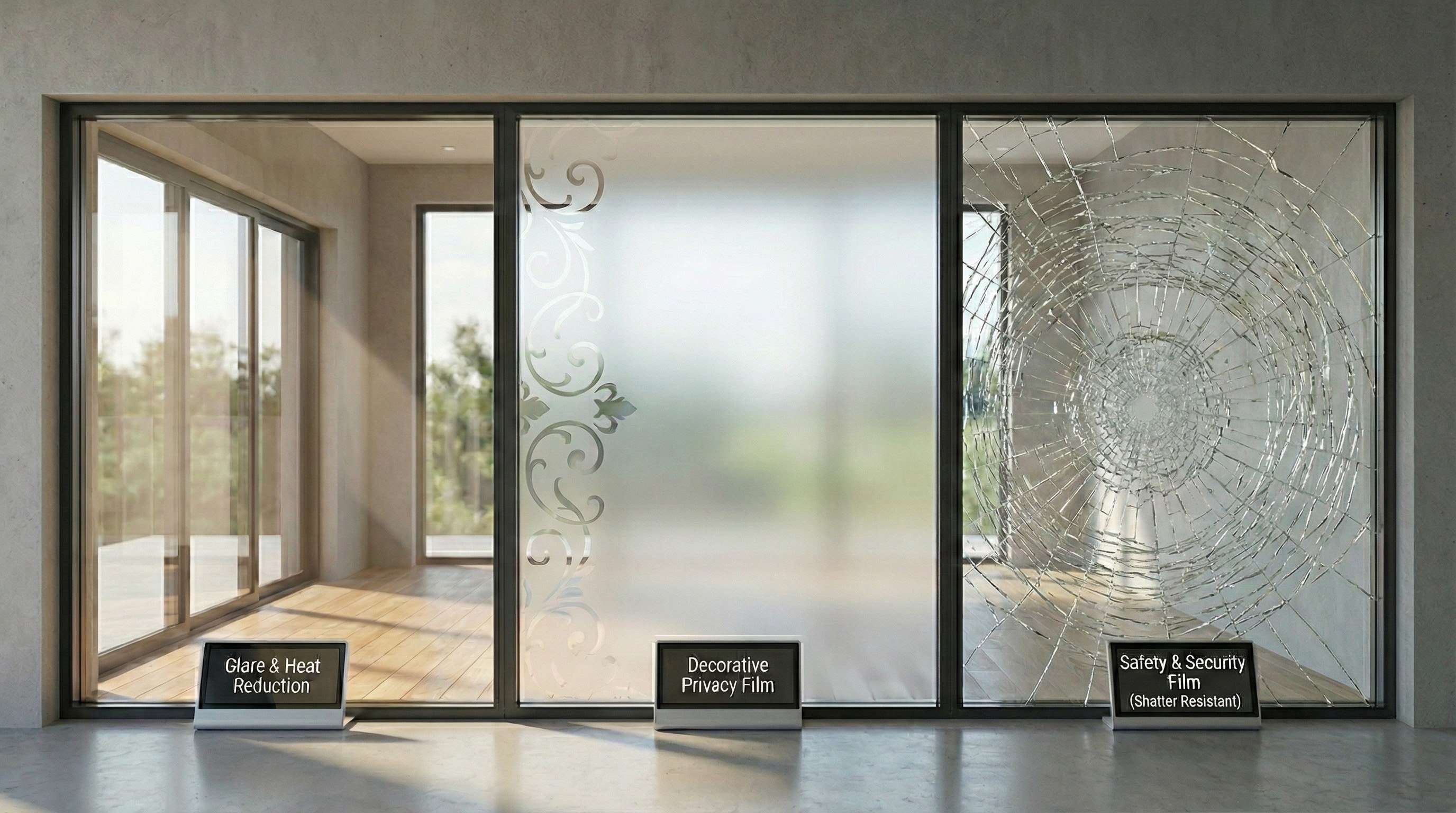
Different window films are designed for different purposes.
Because of this, their lifespan can vary based on thickness, materials, and performance goals.
Understanding how long each type lasts helps set the right expectations.
It also helps you choose the best option for your building.
Solar control window film is built to manage heat, glare, and UV exposure.
These films are engineered to handle constant sunlight over many years.
In most cases, solar control window film lasts between 15 and 20 years.
High-quality films installed on interior glass often reach the upper end of this range.
Windows with heavy sun exposure may see earlier performance decline.
Even then, the film usually remains intact long after installation.
Decorative window films are commonly used for privacy and visual appeal.
They are typically installed indoors, where conditions are more stable.
Most decorative window films last between 10 and 15 years.
Because they face less heat and UV stress, they tend to age evenly.
Patterns and finishes usually remain intact for most of their lifespan.
Proper cleaning helps preserve clarity and appearance.
Safety and security window films are thicker than other film types.
They are designed to hold glass together during impact or breakage.
These films typically last 15 to 20 years when installed professionally.
Their durability allows them to maintain performance over long periods.
Regular inspections help ensure the film remains properly bonded to the glass.
This is especially important in high-traffic or high-risk areas.
Window film lifespan can differ between residential and commercial buildings.
The main reason is how the space is used and maintained.
Homes usually have more stable conditions.
Commercial buildings often face higher traffic and frequent cleaning.
These differences affect how long window film performs at its best.
Residential window films often last longer than expected.
They are usually installed on interior glass with moderate daily use.
Most home window films last between 15 and 20 years.
Limited exposure to moisture and physical contact helps extend their life.
Homeowners also tend to clean windows less aggressively.
This reduces wear on the film surface over time.
Commercial window films face more demanding conditions.
Frequent cleaning and constant use can increase wear.
Most commercial window films last 10 to 15 years.
Performance may decline sooner in high-traffic areas.
Professional maintenance plays a key role in longevity.
Routine inspections help identify early signs of wear.
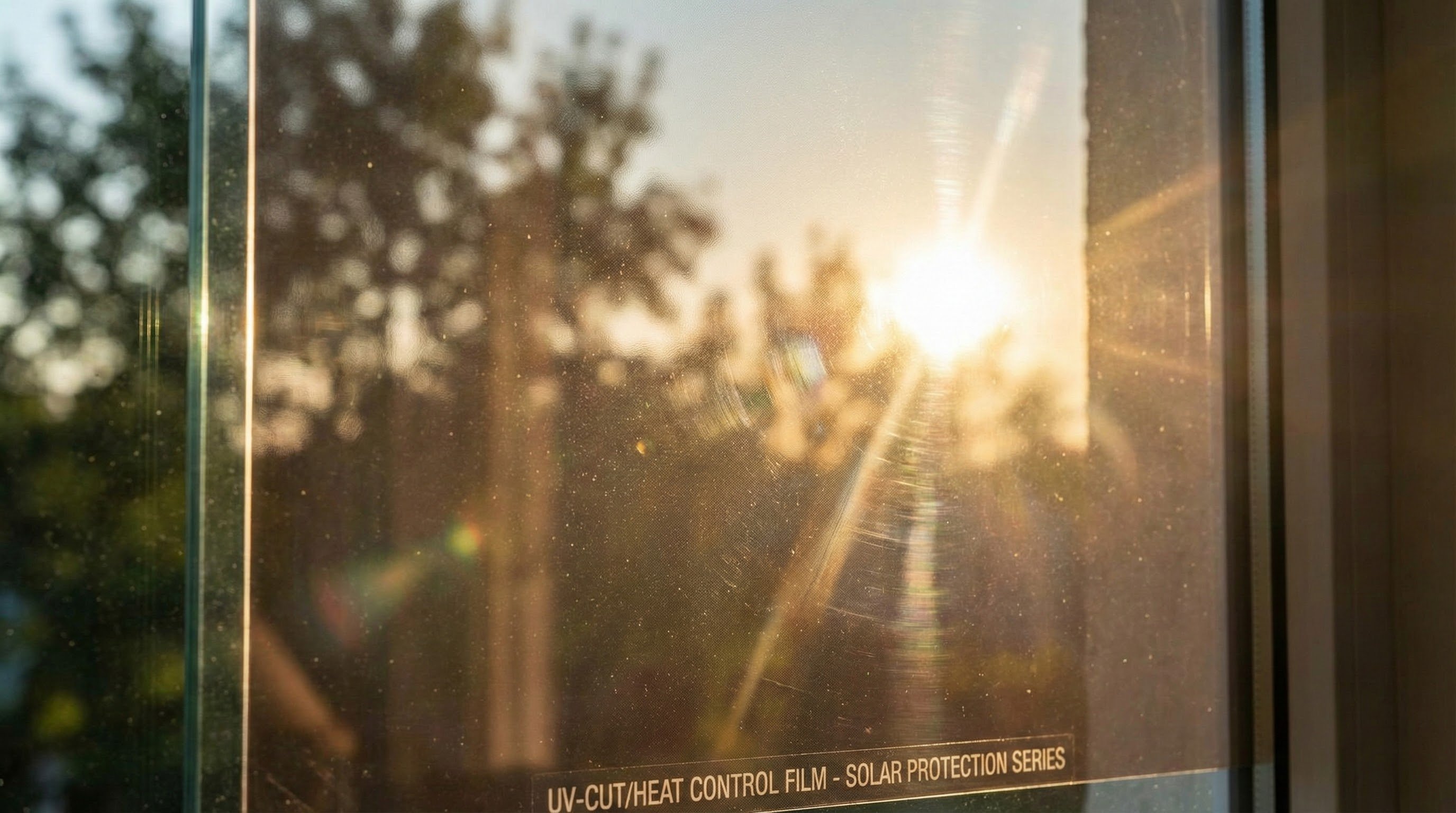
Window film lifespan is not the same in every situation, even when similar products are used.
Several environmental and installation-related factors directly influence how long window film continues to perform and maintain its appearance.
Understanding these factors helps property owners avoid premature failure.
It also explains why professionally installed films often last significantly longer.
High-quality window films are manufactured using advanced materials and stronger adhesives.
These films are designed to resist fading, peeling, and breakdown caused by long-term sun exposure.
Lower-quality films may look similar at first but often degrade much faster.
This usually appears as discoloration, cracking, or adhesive failure over time.
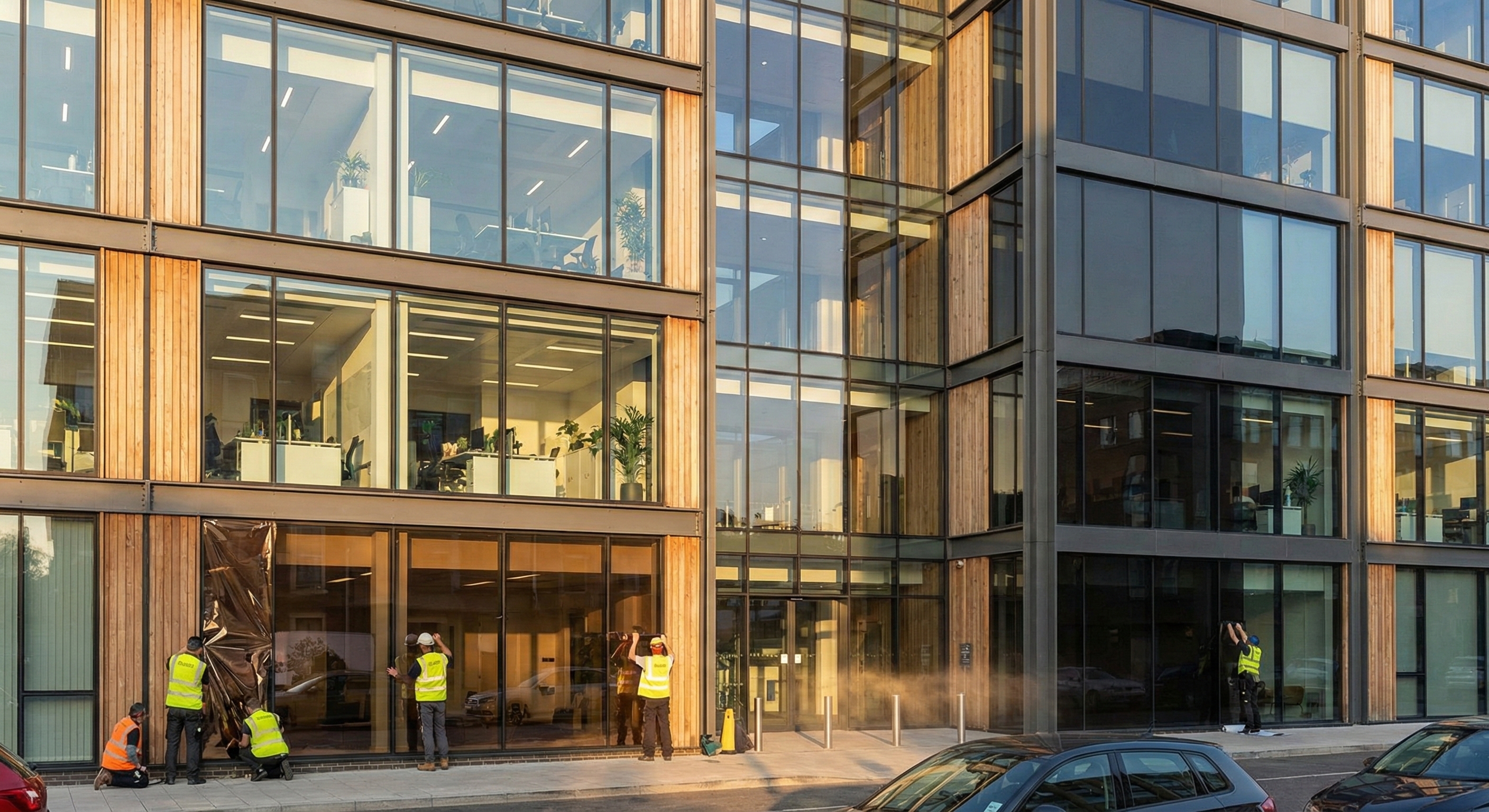
Professional installation plays a major role in window film durability.
Proper surface preparation and precise application help the film bond evenly to the glass.
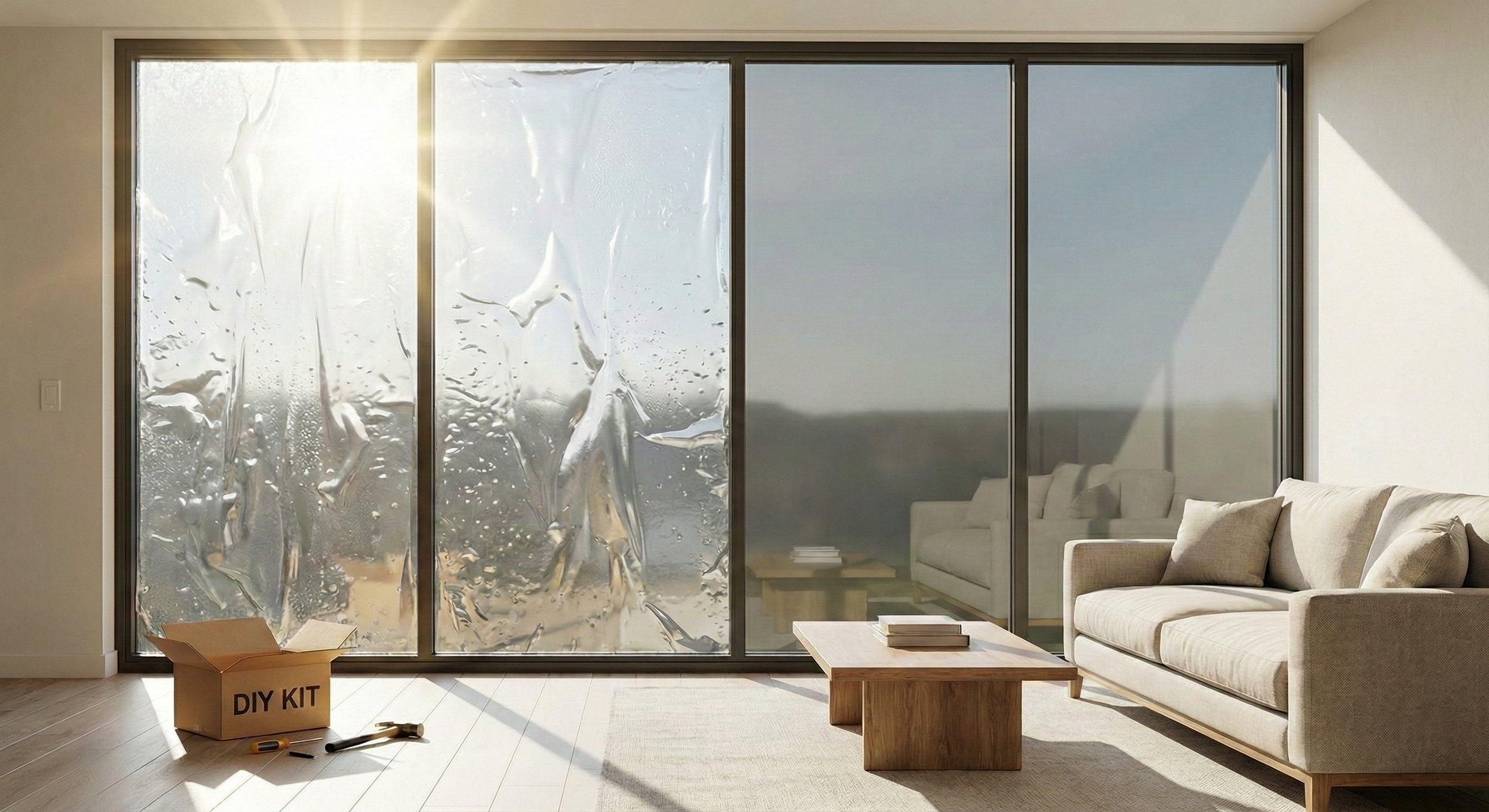
DIY installation often leads to trapped air, uneven edges, or weak adhesion.
These issues increase stress on the film and can shorten its usable life.
Sun exposure is one of the biggest factors affecting window film longevity.
Windows that receive constant direct sunlight experience more heat and UV stress.
Hot climates place additional pressure on film materials.
Over time, this can cause performance to decline sooner than expected.
Indoor window films are protected from rain, wind, and temperature swings.
Because of this, they typically last longer and age more evenly.
Outdoor window films face harsher conditions throughout the year.
Moisture, debris, and temperature changes can reduce their durability.
Proper cleaning habits help extend the life of window film.
Using soft cloths and gentle cleaning solutions prevents surface damage.
Harsh chemicals or abrasive tools slowly wear down the film surface.
This damage can reduce both appearance and performance over time.
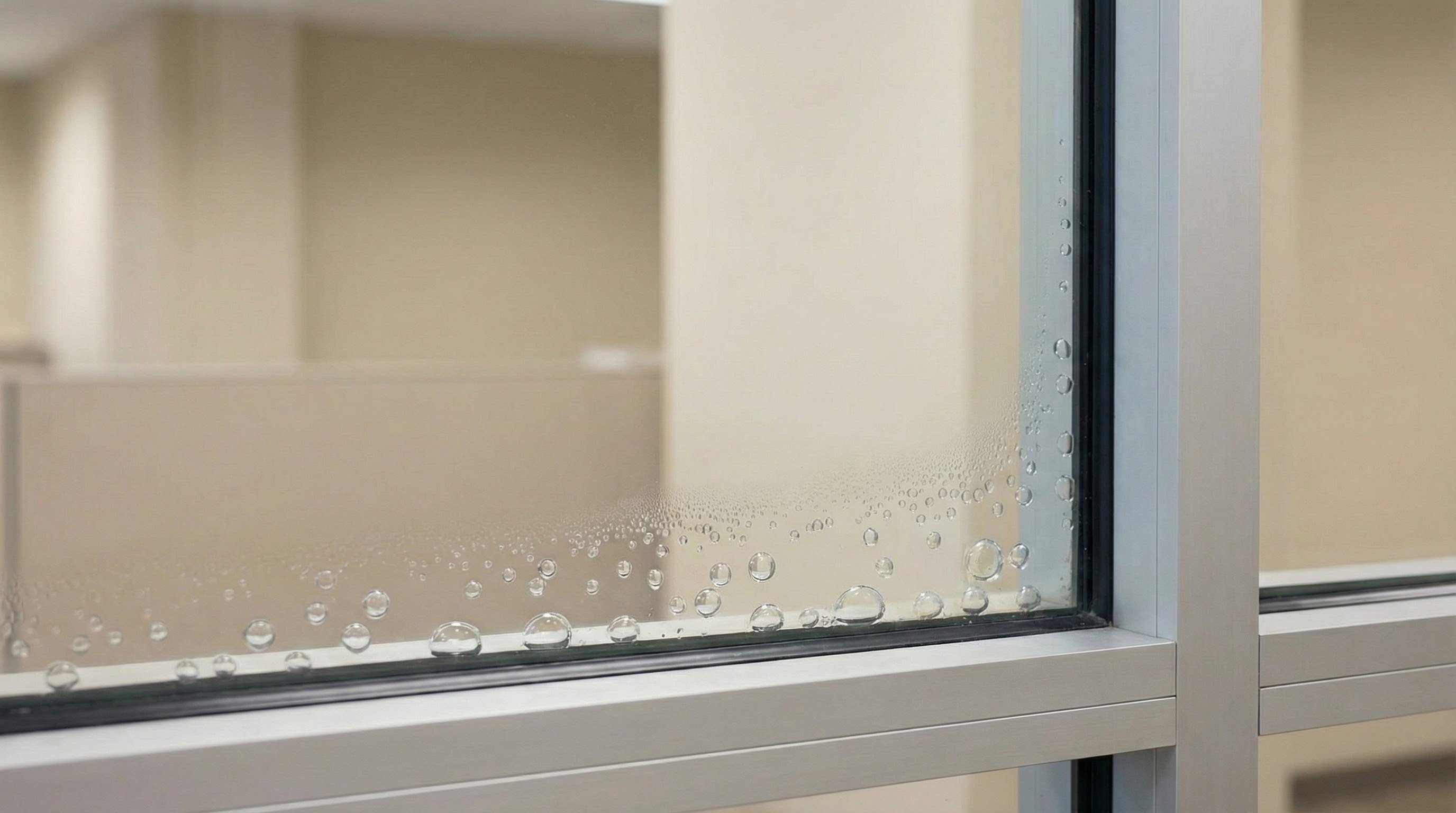
Window film does not always fail suddenly.
In many cases, there are clear warning signs that appear long before the film stops working completely.
Recognizing these signs early helps prevent reduced comfort or damage to the glass.
It also allows you to plan replacement at the right time.
Peeling edges and bubbling are common signs of aging window film.
These issues usually indicate adhesive failure caused by heat or long-term exposure.
Cracking may occur as the film becomes brittle over time.
Once this happens, performance and appearance are both compromised.
Discoloration often appears as a purple, bronze, or cloudy tint.
This happens when the film’s dyes or layers begin to break down.
Fading reduces both clarity and UV protection.
Even if the film is still attached, its performance may be reduced.
Window film can lose effectiveness before showing visible damage.
You may notice increased heat, glare, or fading of interior furnishings.
This is a sign that the film is no longer blocking UV rays efficiently.
At this stage, replacement is usually the best option.
Adhesive breakdown can cause the film to lift or slide slightly on the glass.
This often occurs after many years of sun exposure.
Once adhesive failure begins, repairs are rarely effective.
Replacing the film restores performance and appearance.
Many property owners assume that a window film warranty reflects its full lifespan.
In reality, warranties and actual performance life are not always the same.
A warranty outlines what the manufacturer will cover.
It does not always represent how long the film will continue to perform well.
Most window film warranties cover defects such as peeling, bubbling, cracking, or discoloration.
Coverage usually applies only when the film is installed by a certified professional.
Warranties often exclude damage caused by improper cleaning or external impact.
The length of coverage can vary depending on film type and manufacturer.
Window film often continues to perform after the warranty expires.
This is especially true for high-quality films installed under controlled conditions.
Performance may slowly decline rather than stop suddenly.
Many films remain functional for several years beyond their warranty period.
Understanding this difference helps set realistic expectations.
It also allows better planning for future replacement.
Proper care plays a big role in how long window film lasts.
Small maintenance habits can make a noticeable difference over time.
Taking the right steps helps preserve both appearance and performance.
It also reduces the chances of early replacement.
Window film should be cleaned with soft cloths or non-abrasive sponges.
Gentle, ammonia-free cleaners help protect the film surface.
Allow the film to fully cure before cleaning after installation.
This prevents damage to the adhesive during the early stage.
Do clean the film regularly to prevent buildup.
Dirt and grime can wear down the surface if left too long.
Do not use razor blades or abrasive tools.
These can scratch the film and weaken it over time.
Professional inspections help catch small issues early.
Loose edges or minor bubbles can often be addressed before they spread.
Inspections are especially helpful in high-sun or high-traffic areas.
This helps extend the overall lifespan of the film.
Not all window film issues can be fixed with simple repairs.
In some cases, full replacement is the more practical and cost-effective option.
Repairs may work for small edge lifting or isolated bubbles.
However, widespread damage usually signals the end of the film’s lifespan.
If the film shows discoloration, cracking, or loss of performance, replacement is recommended.
These issues often indicate that the materials have broken down.
Older window films may not meet current performance standards.
Replacing them can improve energy efficiency and comfort.
Choosing replacement over repeated repairs saves time and money in the long run.
It also restores the full benefits of modern window film.
Property owners often have similar questions when it comes to window film durability.
This section answers some of the most common concerns in a clear and simple way.
Yes, window film can degrade over time due to heat, sunlight, and aging materials.
Even high-quality films slowly lose performance after many years of use.
This does not usually happen suddenly.
Most films show gradual changes before complete failure.
In some cases, window film can last more than 20 years.
This is more common with premium films installed indoors and maintained properly.
Performance may still decline even if the film remains intact.
Regular inspections help determine when replacement is needed.
When done correctly, removing window film does not damage glass.
Professional removal ensures adhesives are safely cleared from the surface.
Improper removal can leave residue or cause scratches.
This is why professional service is often recommended.
Window films are designed to provide long-term benefits, but their lifespan depends on several key factors.
Film type, installation quality, sun exposure, and maintenance all play an important role in how long the film lasts.
Most professionally installed window films last between 10 and 20 years.
Knowing the signs of aging helps you plan replacement before performance drops.
Regular care and inspections can extend the life of your window film.
When replacement becomes necessary, upgrading to newer film improves comfort and efficiency.
If your window film is showing signs of wear or reduced performance, professional guidance makes the process easier.
If you’re unsure whether your window film needs replacement or how long it will continue to perform, contact American Window Film for expert guidance.
No Comments Yet
Let us know what you think