


If you’ve been looking into window film, one question probably keeps coming up. Is it actually worth the cost?
That hesitation makes sense. Most homeowners don’t want to spend money unless the value is clear.
Window film isn’t something people buy every day. It’s not as familiar as blinds or curtains, so the price can feel harder to judge.
Without a clear comparison, it’s easy to wonder if it’s just another add-on. That uncertainty is what stops many people from moving forward.
The upfront cost is only one part of the picture. What matters more is what you get over time.
If something reduces your monthly energy bills and improves comfort daily, the value builds quickly. That’s where window film starts to make more sense.
For most homeowners, “worth it” isn’t about the cheapest option. It’s about whether the upgrade solves a real problem and continues to deliver benefits.
In the case of window film, the real question is simple. Does it reduce heat, lower costs, and improve how your home feels every day?
If you’re looking for a simple answer, here it is. Window film typically costs far less than replacing windows, and in most cases, it’s worth it for homeowners dealing with heat and high energy bills.
The exact cost depends on your home, but the value becomes clear when you look at what it actually does.
For an average home, window film is usually priced per square foot. The total cost depends on the number of windows, their size, and the type of film you choose.
While it’s not the cheapest upgrade upfront, it’s still far more affordable than major changes like replacing windows. That makes it accessible for most homeowners.
If your home gets a lot of direct sunlight, window film is almost always worth it. The same applies if your energy bills spike during summer.
If you struggle with hot rooms, glare, or fading furniture, the benefits show up quickly. In these cases, the value goes beyond just cost savings.
Homes with large windows or sun-facing rooms see the biggest impact. Older windows without modern coatings also allow more heat in, making film a strong upgrade.
If your AC runs constantly during the day, you’re likely losing energy through your windows. That’s where window film starts paying off almost immediately.
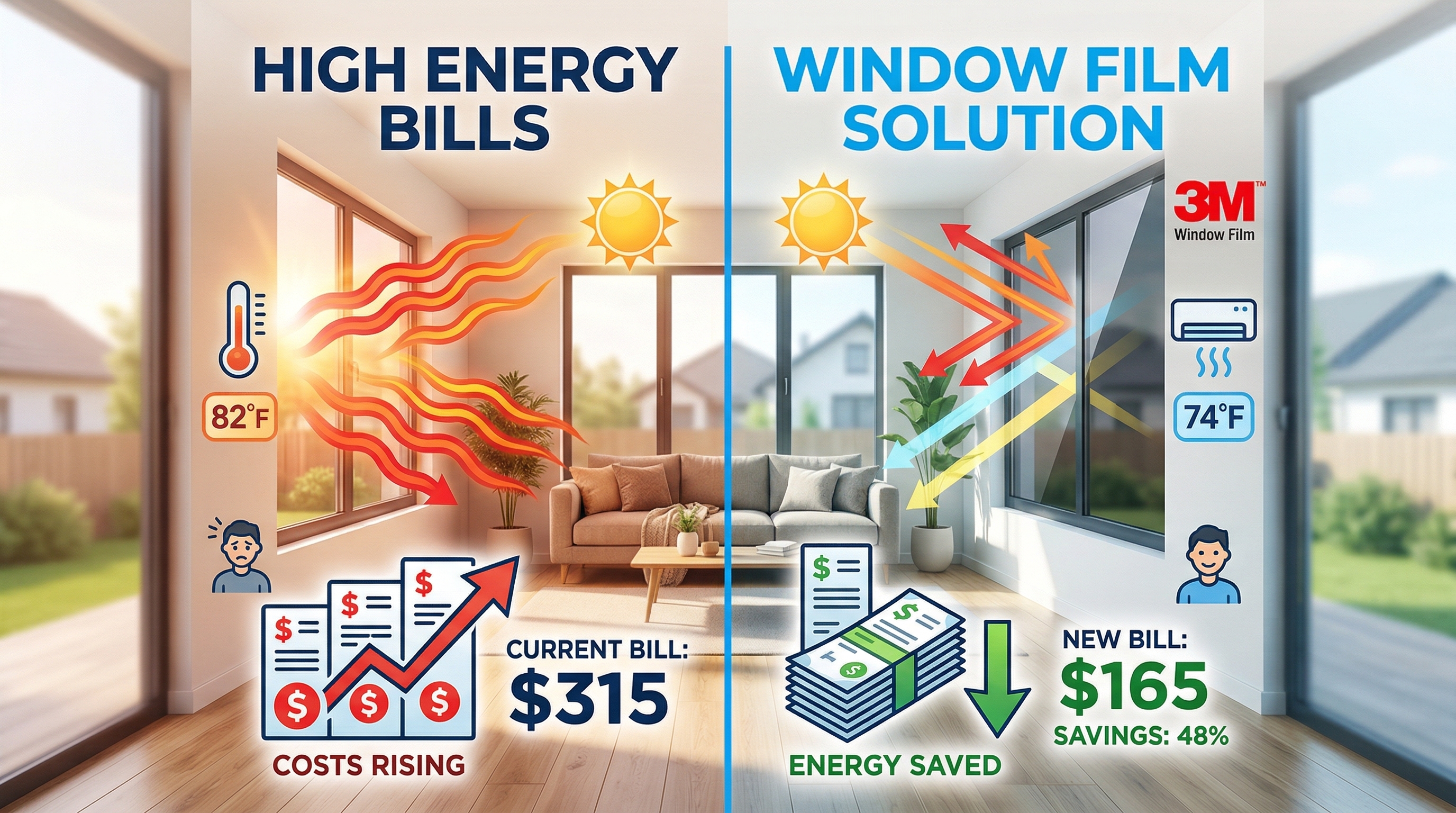
Once you move past the quick answer, it helps to understand what goes into the actual cost. This makes it easier to judge whether the investment makes sense for your home.
Window film pricing isn’t one-size-fits-all. It varies based on a few key factors.
Most window film projects are priced per square foot. The final cost depends on how many windows you have and how large they are.
For a typical home, the total investment is usually much lower than replacing windows. That’s why many homeowners see it as a practical upgrade instead of a major renovation.
Several factors influence the final cost. Window size plays a big role, especially if you have large glass areas.
The type of film also matters. Higher-performance films that block more heat and UV rays may cost more, but they deliver better results.
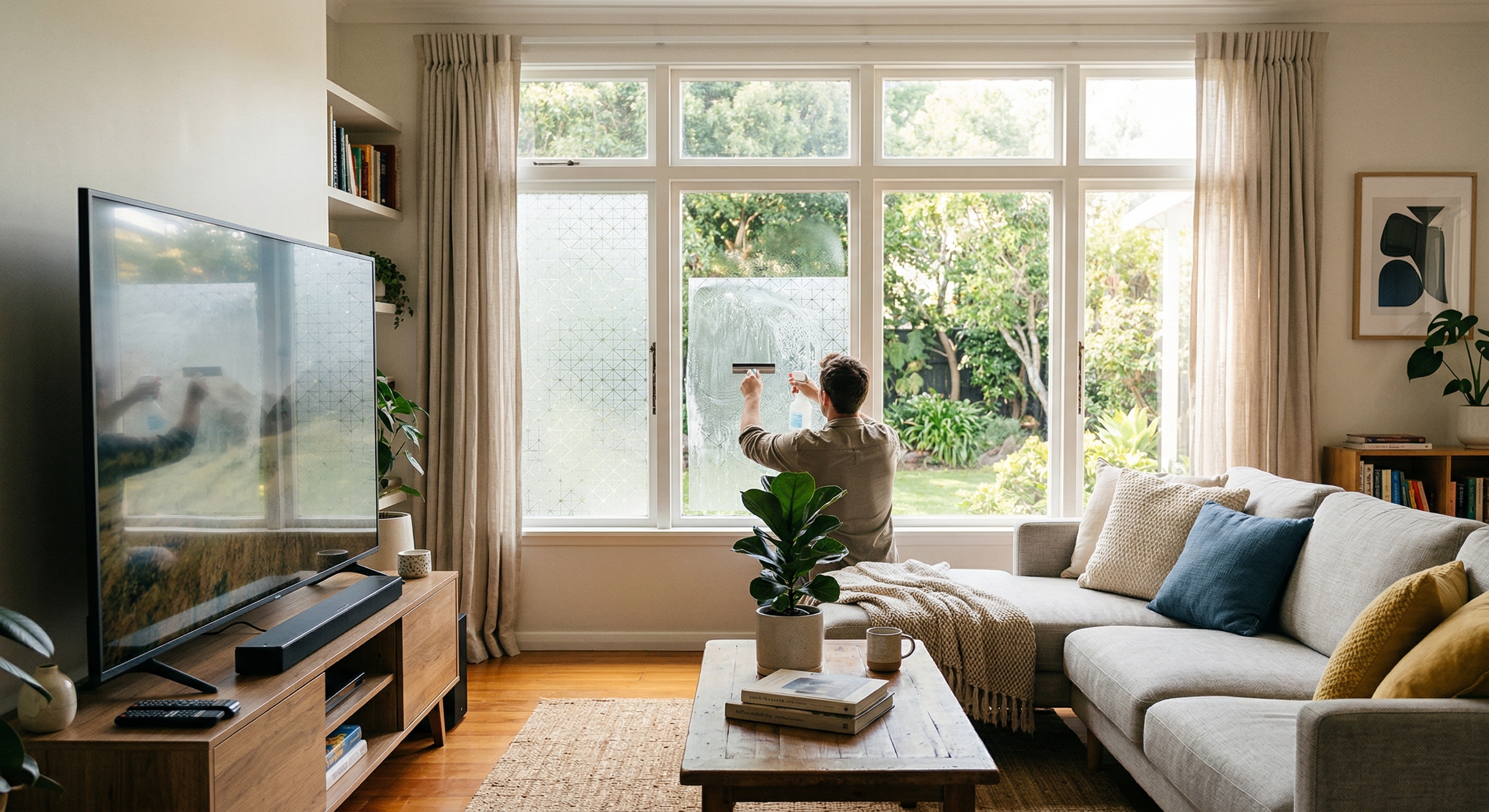
Installation is another factor. Professional installation ensures a clean finish and long-term performance.
Window film is a one-time investment. Once installed, it continues to deliver benefits without adding to your monthly expenses.
Compare that to rising energy bills. Without a solution, you keep paying more every summer.
That’s why many homeowners stop looking at window film as a cost. They start seeing it as a way to control ongoing expenses.
At first glance, window film might seem like you’re just paying for a thin layer on glass. But the real value goes far beyond the material itself.
What you’re actually investing in is performance. It’s about how your home feels, how much energy it uses, and how well it holds up over time.
One of the biggest benefits is reducing the amount of heat entering your home. By blocking a large portion of solar heat, window film helps keep indoor temperatures more stable.
This means your AC doesn’t have to work as hard. Over time, that leads to lower energy use and more consistent cooling.
Sunlight doesn’t just bring heat. It also carries UV rays that can damage your interiors.
Furniture, flooring, and fabrics can fade with constant exposure. Window film blocks most of these harmful rays, helping your home look newer for longer.
Some rooms in your home may feel too hot to use during the day. That often happens in spaces with direct sunlight.
Window film helps balance temperatures across your home. It makes those rooms more comfortable and usable without needing constant cooling.
When deciding if window film is worth it, most people focus only on the upfront cost. What often gets ignored is the cost of doing nothing.
That cost shows up slowly, but it adds up every single day.
If heat keeps entering through your windows, your AC has to keep removing it. That constant cycle increases your energy usage month after month.
Over a single summer, the extra cost may not seem huge. But over several years, it can easily add up to more than the cost of window film.
Your AC works harder when it has to deal with ongoing heat gain. It runs longer and cycles more often just to maintain a comfortable temperature.
This extra workload leads to more wear and tear. Over time, that can mean more repairs or even early replacement.
Sunlight doesn’t just affect temperature. UV rays slowly damage your interiors.
Furniture fades, flooring loses its color, and materials wear down faster. Replacing or repairing these items adds another hidden cost.
Now let’s get to what really matters. How much can window film actually save you once it’s installed?
The answer depends on your home, but the savings become clear when you look at how it reduces heat and energy use.
By blocking a large portion of solar heat, window film reduces how often your AC needs to run. Less runtime means lower electricity usage.
Many homeowners notice a drop in cooling costs during peak summer months. The exact savings vary, but the reduction is often noticeable within the first season.
Instead of focusing only on the upfront price, it helps to think in terms of payback. How long does it take for the savings to cover the cost?
When your energy bills go down each month, that gap starts closing. Over time, the film begins to pay for itself through those savings.
This shift in thinking makes the decision easier. It’s no longer just an expense, but a way to recover costs over time.
Unlike some upgrades that lose value, window film keeps delivering. Once installed, it continues to reduce heat and energy use without extra cost.
That means the savings don’t stop after the first year. They continue season after season, especially in warmer climates.
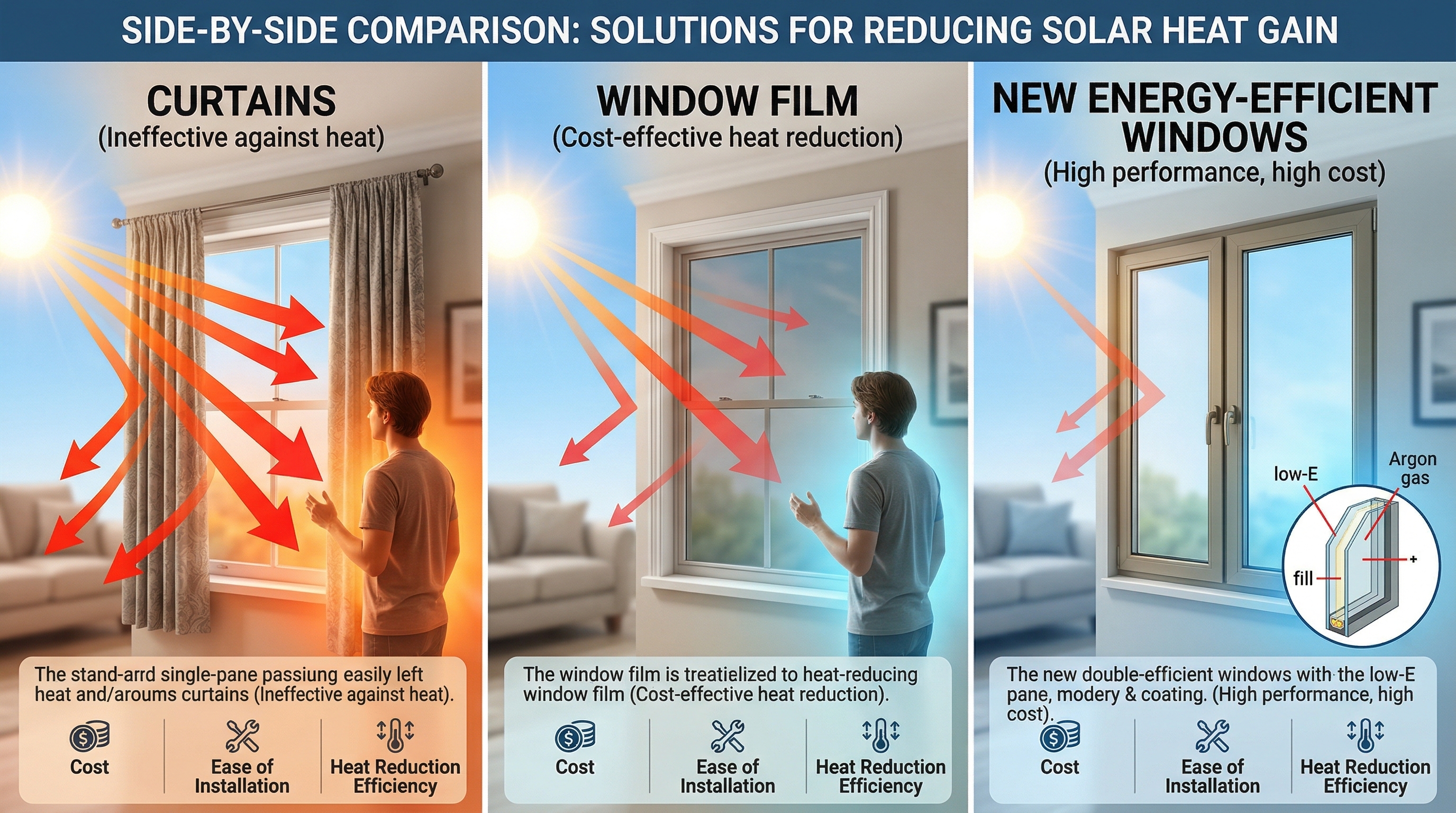
When deciding if window film is worth the cost, it helps to compare it with other options. Most homeowners consider alternatives before making a final choice.
The goal is simple. Which option gives you the best results for the money you spend?
Replacing windows can improve energy efficiency, but it comes with a high price. It’s one of the most expensive home upgrades.
Window film offers a similar benefit at a much lower cost. It improves the performance of your existing windows without major construction.
From an ROI perspective, film often pays back faster. You spend less upfront and still see meaningful energy savings.
Blinds and curtains are more affordable upfront. They help with privacy and reduce glare.
But they don’t stop heat from entering your home. By the time sunlight hits them, the heat is already inside.
Window film works at the glass level. It reduces heat before it becomes a problem, which makes it more effective for energy savings.
Doing nothing might seem like the cheapest option. But it often ends up costing more over time.
Heat continues to enter your home every day. Your AC keeps working harder, and your energy bills keep rising.
That ongoing cost adds up year after year. In many cases, it exceeds the one-time cost of window film.
Modern windows with low-E coatings are designed to reduce heat transfer. They perform well, but upgrading to them is expensive.
Window film can deliver similar heat reduction benefits without replacing your windows. It’s a practical way to improve efficiency using what you already have.
Even if window film sounds promising, most homeowners still have a few concerns. That’s normal, especially when you’re making a decision about your home.
Let’s clear up the most common doubts so you can make a confident choice.
Many people worry that window film will make their home look too dark. The reality is that modern films are designed to be subtle.
You still get natural light, just without the harsh glare and heat. In most cases, the change in appearance is minimal from the inside.
Window film isn’t a short-term fix. High-quality films are built to last for many years.
With proper installation, they continue to perform without peeling or fading. This makes it a long-term solution rather than a temporary upgrade.
Most residential windows are compatible with window film. The key is choosing the right type based on your glass.
Professional installers usually assess your windows before recommending a film. This ensures both safety and performance.
Like any upgrade, window film has both advantages and limitations. The biggest benefits are heat reduction, energy savings, and improved comfort.
The main limitation is the upfront cost. But when compared to ongoing energy expenses, many homeowners find the trade-off worthwhile.
When deciding if window film is worth it, many homeowners make the same mistake. They focus only on the upfront cost and ignore the bigger picture.
That approach often leads to paying more over time.
It’s easy to look at the initial price and hesitate. If you’re only comparing it to doing nothing, it can feel like an unnecessary expense.
But that comparison is incomplete. It doesn’t account for what you continue to spend every month on energy.
Every day your windows let heat in, your AC works harder. That means more electricity used and higher bills.
This ongoing energy loss is easy to overlook because it happens gradually. But over time, it adds up to a significant cost.
Many homeowners delay the decision, thinking they’ll deal with it later. In the meantime, they keep paying higher energy bills every summer.
By the time they act, they’ve already spent more than they would have on a solution. Acting earlier often leads to better savings and comfort.
Window film isn’t something every home needs in the same way. But in certain situations, the value becomes very clear.
If your home checks a few of these boxes, it’s usually a smart investment.
If your home gets a lot of direct sunlight during the day, heat buildup becomes a constant issue. South- and west-facing windows are often the biggest contributors.
In these cases, window film makes a noticeable difference. It reduces the amount of heat entering throughout the day.
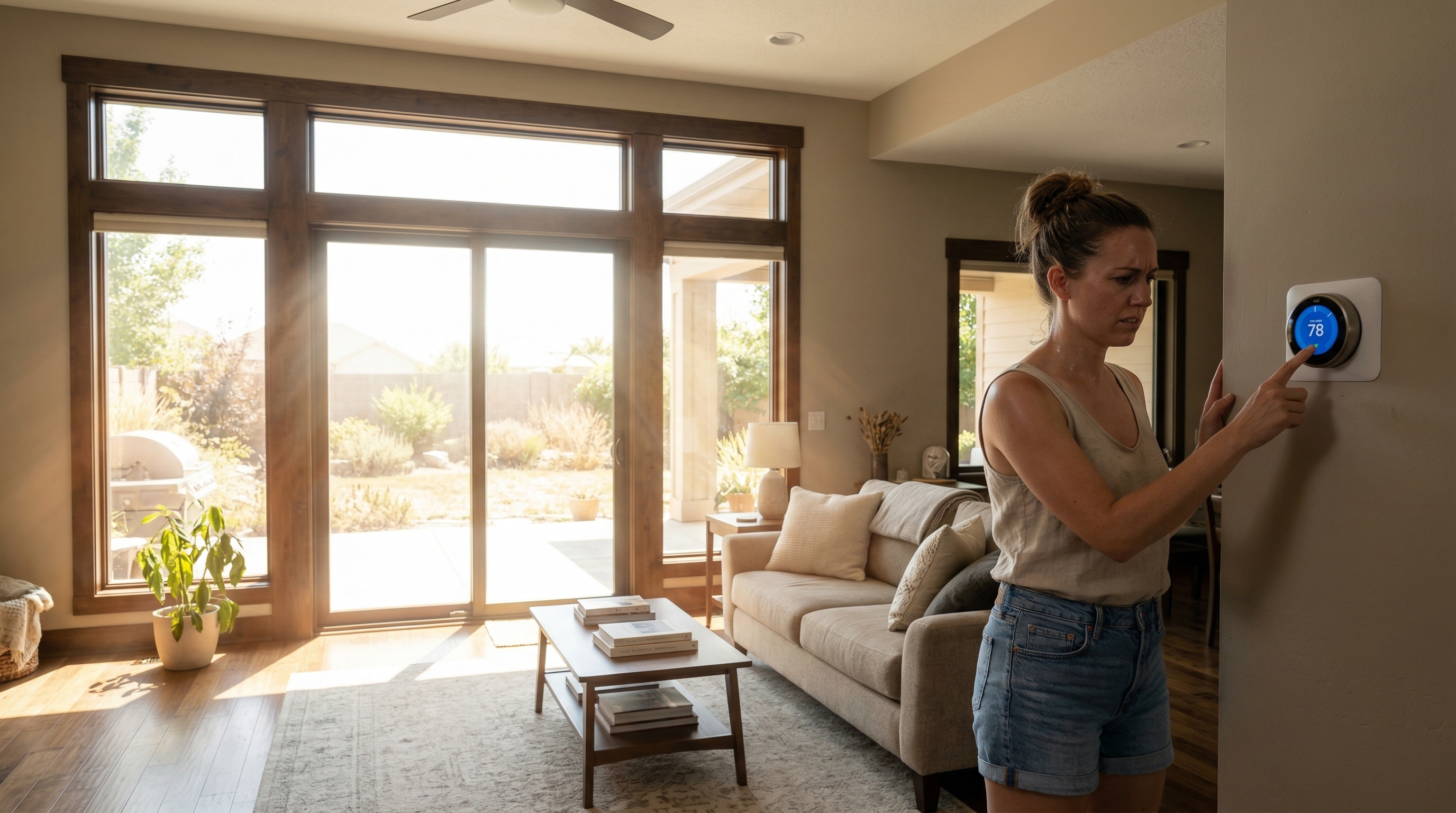
If your energy bills spike every summer, there’s usually a reason. Heat gain through windows is often a major factor.
You might also notice some rooms feel much hotter than others. Window film helps balance temperatures and reduce the strain on your AC.
Homes with large glass areas tend to absorb more heat. The bigger the window, the more sunlight and heat it allows inside.
Older windows without modern coatings are even less efficient. Window film upgrades their performance without needing full replacement.
After looking at the cost, benefits, and comparisons, the answer becomes much easier to see. For most homeowners, window film is worth the investment.
It solves a real problem and continues to deliver value over time.
If your home struggles with heat, glare, or high energy bills, window film makes a noticeable difference. It reduces the load on your AC and improves comfort right away.
Because it’s a one-time upgrade, the benefits continue without ongoing costs. That’s what makes it a practical solution.
If your home already has high-performance windows or minimal sun exposure, the impact may be smaller. In those cases, the need for window film is lower.
But for most homes with standard glass and regular sunlight, the benefits are hard to ignore.
Ask yourself a few basic questions. Do your rooms heat up during the day? Do your energy bills rise every summer?
If the answer is yes, your windows are likely contributing to the problem. Window film becomes a straightforward way to fix it.

When you look at the full picture, window film is less about cost and more about control. It gives you a way to manage heat, reduce energy use, and make your home more comfortable every day.
Instead of relying only on your AC, you’re addressing the source of the problem. That shift makes a noticeable difference in both comfort and long-term expenses.
For many homeowners, the biggest benefit is consistency. Rooms feel more balanced, energy bills become more predictable, and your home works the way it should.
The longer you wait, the more you continue to spend on cooling and deal with uneven temperatures. Fixing the problem early often leads to better results over time.
If you’re looking for a practical, cost-effective way to improve your home, window film is one of the smartest upgrades you can make.
No Comments Yet
Let us know what you think