

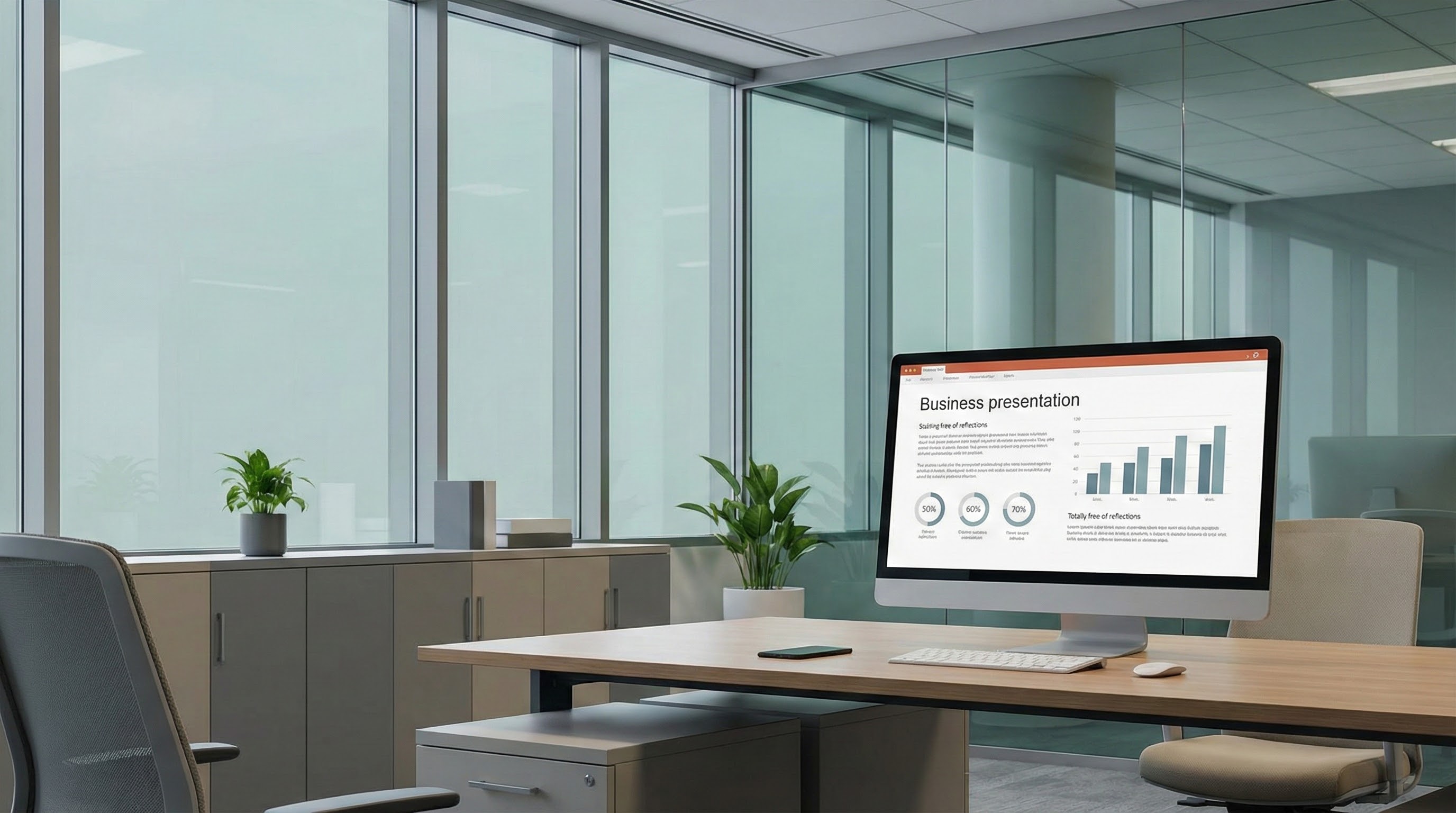
Glare on computer screens is a common problem in offices and home workspaces. Sunlight passing through windows can create reflections on monitors. This makes text harder to read. It also causes eye strain and discomfort during long work hours.
Many people try to fix glare by closing blinds or moving desks. These solutions block natural light or only work part of the day. The glare often comes back as the sun shifts. This can affect focus, productivity, and overall comfort at work.
Window film offers a more effective way to control glare. It works directly on the glass to reduce harsh light before it enters the room. At the same time, it allows natural daylight to remain. This makes computer screens easier to see without darkening the space.
Choosing the right window film matters. Some films reduce glare better than others. Some balance brightness and visibility more effectively. Understanding how glare works and which film options perform best can help you create a more comfortable and productive workspace.

Computer screen glare happens when sunlight reflects off windows and shines directly onto monitors. This reflection reduces contrast and washes out text and images. Even bright, modern screens can become difficult to see when glare is present.
Glare is common in spaces with large windows or strong daylight exposure. East- and west-facing windows create glare at different times of the day as the sun moves. This makes glare unpredictable and difficult to manage with desk placement alone.
When glare hits a screen, your eyes work harder to focus. You may squint or lean forward without realizing it. Over time, this can lead to eye strain, headaches, and visual fatigue.
Glare also slows down work. Reading text takes longer. Switching between windows becomes uncomfortable. In offices, glare can affect multiple workstations at once, especially in open layouts.
Many people close blinds to reduce glare, but this blocks natural daylight. The space can feel dark and less inviting. Artificial lighting often increases, which can add to eye discomfort.
Glare is more than a minor annoyance. It directly affects comfort, focus, and productivity throughout the workday. Addressing glare at the window level is often the most effective solution.
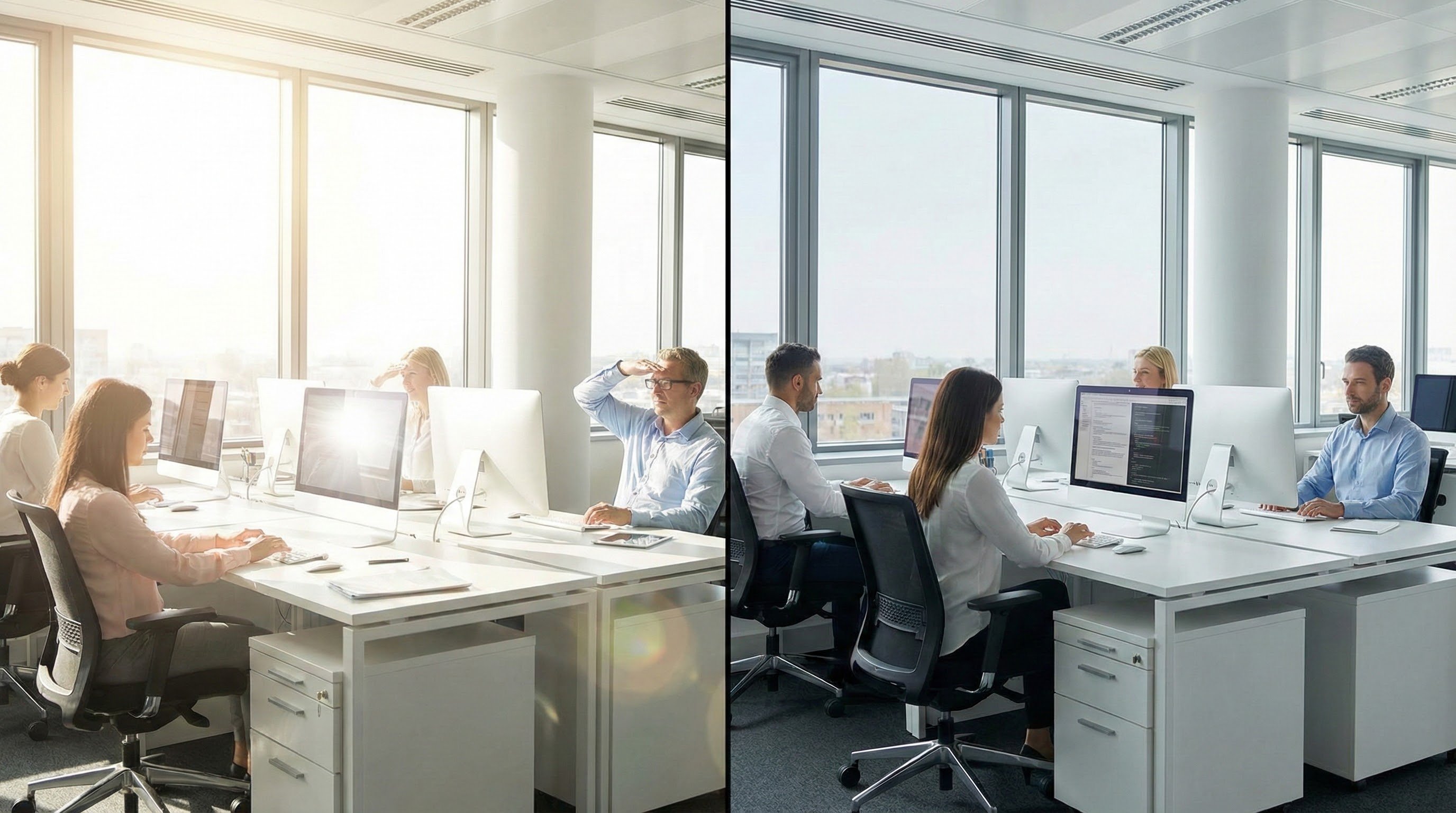
Window film reduces glare by controlling how sunlight passes through glass. Instead of allowing harsh light to reflect directly onto screens, the film softens and filters incoming daylight. This improves screen visibility while keeping the space bright and comfortable.
Glare occurs when sunlight reflects off smooth glass surfaces and hits a screen at the wrong angle. Window film changes how light behaves when it enters the room. Some films diffuse light, which spreads it more evenly across the space.
Other films reduce reflection by lowering the intensity of direct sunlight. This helps prevent bright hotspots on monitors. The result is clearer text and images, even during peak daylight hours.
Not all glare solutions work the same way. Darkening a room reduces brightness, but it also removes natural light. This can make workspaces feel closed off and uncomfortable.
Glare-reducing window film focuses on light control, not darkness. The goal is to reduce harsh glare while still allowing useful daylight inside. This balance helps maintain a comfortable environment where screens are easier to see without relying on closed blinds or extra lighting.
Not all window films reduce glare the same way. Different film types are designed for different lighting conditions and workspace needs. Understanding these options helps you choose a solution that improves screen visibility without making the space feel dark.
If you want a deeper understanding of how different films perform, this guide on types of window films and how they work explains the differences in a clear and simple way.
Anti-glare window film is designed to soften harsh sunlight and reduce reflections on screens. It works by diffusing incoming light so it spreads more evenly across the room.
This type of film is ideal for offices and home workspaces where computer use is constant. It improves screen clarity while keeping natural light. It also helps reduce eye strain during long hours in front of a monitor.
Solar control window film reduces glare by limiting the amount of intense sunlight entering through the glass. It lowers brightness while still allowing daylight to pass through.
This option works well in commercial offices with large windows or strong sun exposure. It helps control glare during peak sunlight hours and keeps screens readable throughout the day. Many solar control films also help manage heat, which improves overall comfort.
Matte and low-reflectivity films focus on reducing reflections on both sides of the glass. They are designed to minimize mirror-like effects that can cause glare on screens.
These films are useful in spaces with direct sunlight hitting monitors at specific angles. They provide consistent glare reduction without significantly changing the look of the windows.
Many people want to know what kind of results they can realistically expect from window film. While no solution removes glare completely, the right window film can significantly improve screen visibility and comfort throughout the day.
High-quality glare-reducing window films can reduce glare by a noticeable amount. In real-world settings, this often means cutting harsh light enough that screens remain readable even during bright daylight hours.
The exact level of glare reduction depends on the type of film used and how much direct sunlight hits the glass. Spaces with strong sun exposure benefit the most, especially offices with large or uncovered windows.
Visible light transmission, often called VLT, refers to how much natural light passes through the window after the film is installed. A higher VLT allows more daylight, while a lower VLT reduces brightness.
For computer screens, the goal is balance. Too much light causes glare. Too little light makes the space feel dark. Glare-reducing window films are designed to maintain useful daylight while controlling the intensity that creates reflections on screens.
Choosing the right VLT helps improve screen clarity without sacrificing the comfort of a well-lit workspace.
Office environments often face glare issues across multiple workstations. Large windows, open layouts, and shared lighting conditions make it harder to control glare using simple solutions. Window film provides consistent glare reduction across the entire space.
In open offices, sunlight can affect many screens at once. Moving desks or adjusting blinds usually helps only a few employees. Window film treats the source of the problem by reducing glare at the glass.
Glare-reducing window film allows daylight to remain while improving screen visibility for everyone in the area. This creates a more comfortable and productive workspace without darkening the office.
Conference rooms often have large windows and display screens. Glare can make presentations difficult to see, especially during the day. Closing blinds blocks light and makes rooms feel closed in.
Window film helps control glare while keeping the room bright. Screens stay visible, and the space remains comfortable for meetings, video calls, and presentations.
East-facing windows create glare in the morning. West-facing windows cause glare later in the day. This changing sun angle makes glare hard to manage with blinds alone.
Window film provides all-day glare control by reducing the intensity of direct sunlight. It helps maintain consistent screen visibility from morning to evening, regardless of sun position.
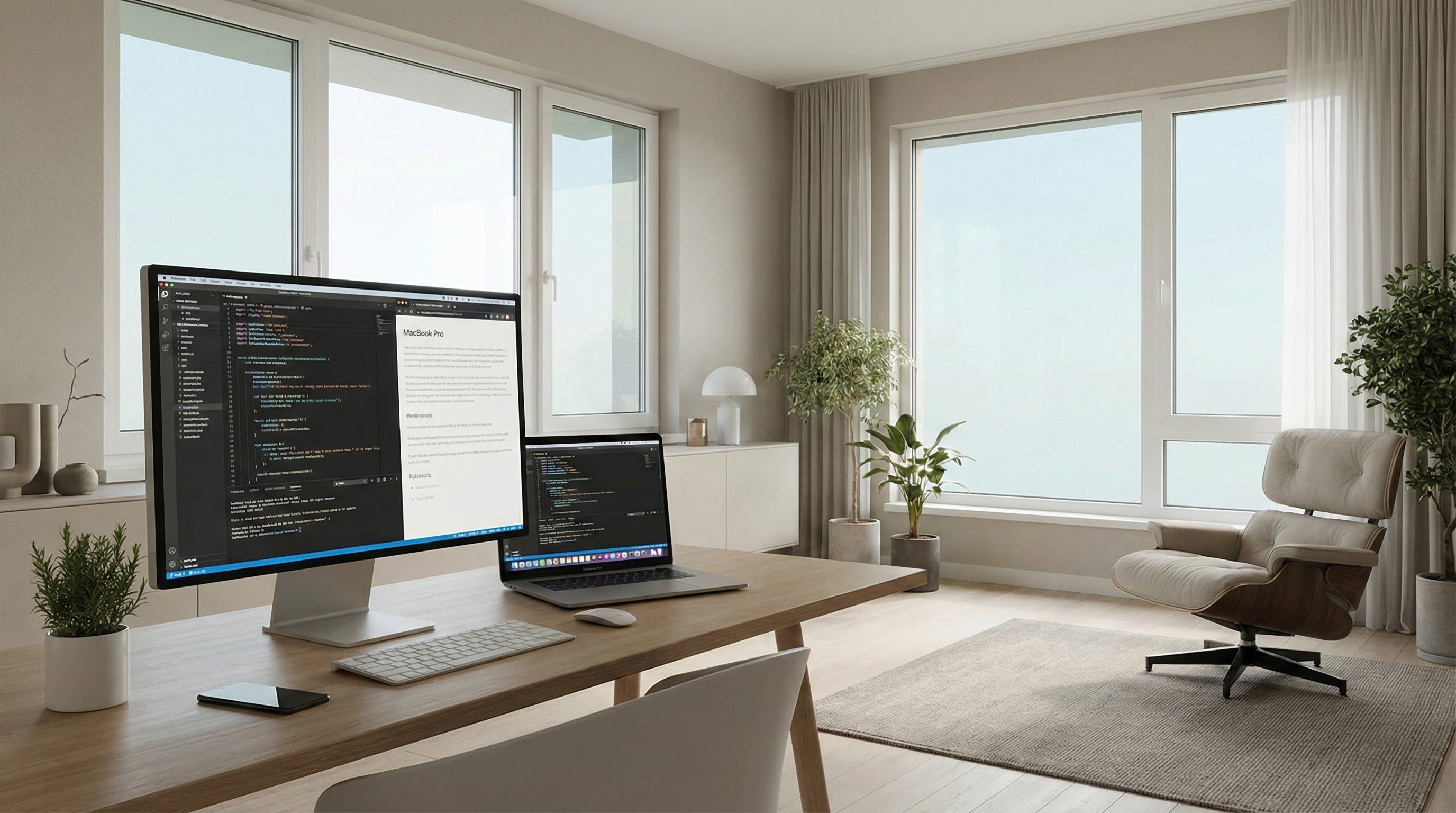
Home offices often deal with glare in a different way than commercial spaces. Natural light is important for comfort, but uncontrolled sunlight can make computer screens hard to see. Window film helps create a balance between brightness and visibility.
Many people choose home offices because of the natural light. Closing curtains to reduce glare can make the space feel dark and less inviting. This often leads to more artificial lighting during the day.
Glare-reducing window film allows daylight to enter while softening harsh sunlight. This keeps the room bright and comfortable while making screens easier to read. It helps create a workspace that feels open without constant glare.
Home offices are often part of living areas. Dark window treatments can affect the entire room, not just the workspace. Window film works directly on the glass, so glare is reduced without changing how the room feels.
The result is improved screen visibility throughout the day. You can work comfortably without sacrificing the look or brightness of your living space.
Choosing the right window film depends on how your space is used and how much sunlight enters through the windows. A few key factors can help you select a film that improves screen visibility without affecting comfort.
Visible light transmission measures how much natural light passes through the glass after the film is applied. Higher VLT means more daylight. Lower VLT means reduced brightness.
For computer use, the goal is not to block light completely. It is to control harsh sunlight that causes glare. A balanced VLT allows enough daylight for comfort while reducing reflections on screens.
Too much brightness creates glare. Too little brightness makes a space feel closed off. The best glare-reducing window films are designed to soften intense sunlight rather than darken the room.
This balance helps maintain a comfortable work environment. Screens remain visible, and the room stays naturally lit throughout the day.
DIY window film may seem like a quick solution, but glare performance depends on proper film selection and installation. Poor installation can reduce effectiveness and affect appearance.
Professional installation ensures the film is applied evenly and performs as intended. It also helps match the right film to your specific glare issues and window orientation.
Before selecting a window film, consider the following:
This checklist helps narrow down the best option for your workspace.
Many people use blinds or shades to control glare, but these options have limitations. Comparing them with window film helps explain why film is often the more effective solution for computer screen glare.
Blinds and curtains block sunlight by covering the window. While this can reduce glare, it also blocks natural light. Rooms can feel dark and less comfortable during the day.
These solutions also require constant adjustment. As the sun moves, glare returns from a different angle. This makes it hard to maintain consistent screen visibility throughout the day.
Window film works directly on the glass to reduce glare before sunlight enters the room. It provides continuous glare control without the need for adjustments.
Natural light remains available, and screens stay readable throughout the day. Window film offers a cleaner, more consistent solution for managing glare without changing how the space looks or feels.
Glare reduction is the main reason many people choose window film, but it is not the only benefit. Glare-reducing films also improve overall comfort and help create a better work environment.
Many of these advantages are explained in detail in this overview of 3M Window Film benefits and types, which highlights how quality window film improves comfort and performance.
Window film blocks a large amount of harmful ultraviolet rays. This helps protect eyes from prolonged exposure during long workdays near windows.
Reducing UV exposure also helps prevent fading of furniture, flooring, and interior finishes. This adds long-term value to both home and office spaces.
Many glare-reducing window films also help control heat. By limiting solar heat gain, these films keep indoor spaces more comfortable during warm days.
Better temperature control can reduce the need for excessive air conditioning. This can lead to improved energy efficiency and lower cooling costs over time.
By reducing glare and managing light levels, window film helps maintain clear screen visibility from morning to evening. Screens stay readable even as sunlight shifts throughout the day.
This consistent comfort supports productivity and reduces the need to constantly adjust blinds or move workstations.
Many people have questions before choosing window film for glare control. Addressing these common concerns helps clarify what to expect and how window film performs in real-world settings.
Glare-reducing window film is designed to control harsh sunlight, not block natural light. Most films allow plenty of daylight to pass through while reducing reflections on screens.
When the right film is selected, the space remains bright and comfortable. The goal is improved screen visibility without creating a dark or enclosed environment.
Yes, professional window film can be removed if needed. Removal does not damage the glass when done correctly.
This makes window film a flexible solution for offices or homes where needs may change over time.
High-quality window films are designed to last for many years. With proper installation, they maintain performance and appearance over time.
Professional-grade films also come with warranties, which adds peace of mind and long-term value.
Glare on computer screens can make work uncomfortable and reduce productivity. It affects focus, causes eye strain, and often forces people to block natural light just to see their screens clearly. These issues can impact both home offices and commercial workspaces.
Window film offers a simple and effective solution. By controlling sunlight at the glass, it reduces glare without darkening the space. The right film improves screen visibility, maintains natural daylight, and creates a more comfortable environment throughout the day.
Choosing the best window film depends on your space, window orientation, and how screens are used. Professional guidance helps ensure the film provides the right balance between glare reduction and brightness.
If you are dealing with screen glare in your home or office, contact American Window Film to get expert recommendations and professional installation tailored to your space.



No Comments Yet
Let us know what you think