

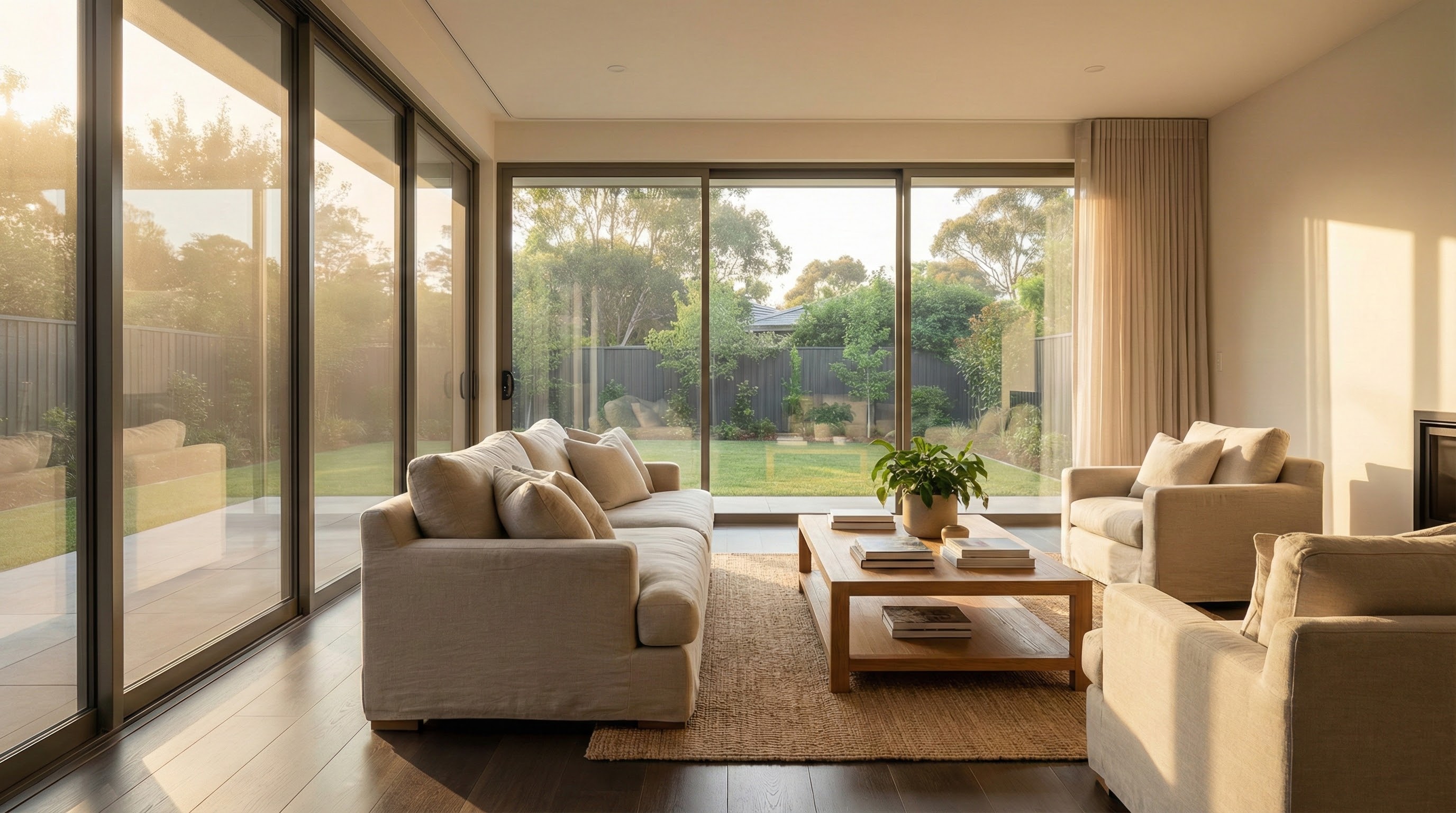
Sunlight makes interior spaces feel open and welcoming. At the same time, constant sun exposure can slowly damage floors, furniture, and fabrics. Many homeowners and building managers only notice the problem after colors fade or finishes begin to dull.
Fading happens when sunlight passes through windows and reaches interior surfaces. Over time, this exposure weakens wood finishes, fabrics, and dyes. Areas near windows usually show damage first, especially in rooms with large glass surfaces.
Window film is often recommended as a solution, but many people are unsure how it actually helps. Some wonder if it really protects interiors or if it simply darkens rooms. Understanding how window film works makes it easier to see why it is effective.
By reducing harmful rays at the glass, window film helps protect floors and furniture without blocking natural light. This makes it a practical option for both homes and commercial spaces looking to preserve interior materials.
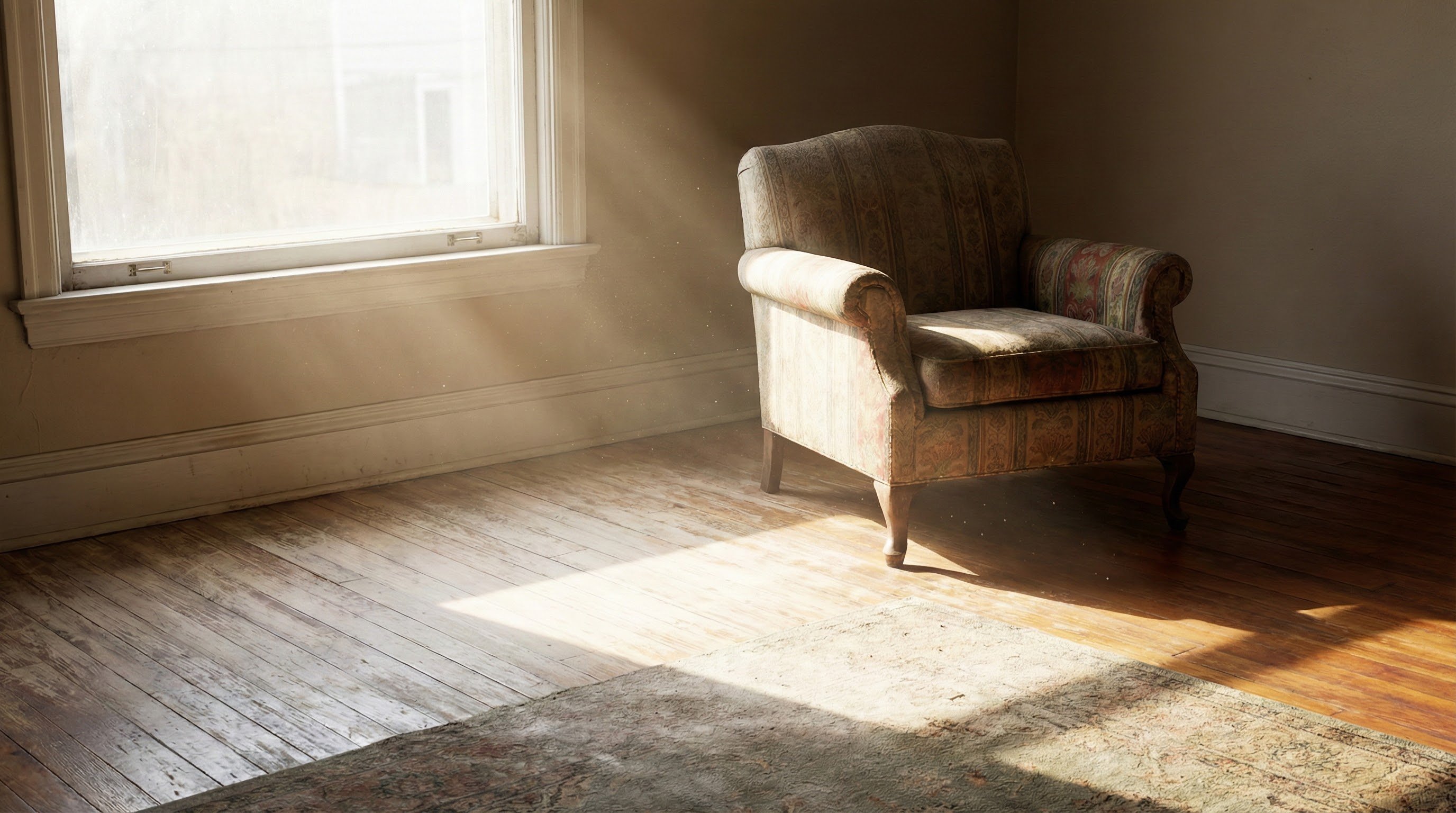
Sunlight contains energy that slowly breaks down the materials used in floors and furniture. When this light passes through windows, it reaches interior surfaces directly and causes gradual damage. The effects are often subtle at first, but they become more noticeable over time.
Colors in wood, fabrics, and finishes come from dyes and pigments. Sunlight weakens these pigments by breaking their chemical bonds. As this process continues, colors lose their depth and appear washed out or uneven.
Wood floors and furniture finishes are also affected. Sun exposure can dry out protective coatings, making surfaces look dull and worn. Once this damage occurs, refinishing or replacement is often the only option.
Fading usually appears first near windows because those areas receive the most direct sunlight. Large windows and glass doors allow more light to enter, increasing exposure throughout the day.
The angle of the sun also plays a role. As sunlight moves across a room, certain areas receive repeated exposure. Over time, this uneven exposure leads to visible fading patterns on floors and furniture closest to the glass.
Not all sunlight affects interiors in the same way. Ultraviolet rays are the primary cause of fading inside homes and buildings. Understanding their role explains why fading can happen even when rooms do not feel hot or overly bright.
Ultraviolet rays carry high energy. When they strike interior surfaces, they break down the molecular structure of dyes, pigments, and protective coatings. This damage causes colors to fade and materials to weaken over time.
Wood floors can lose their natural tone. Fabrics may become lighter or uneven in color. Finishes on furniture can dry out and lose their protective qualities. This process happens slowly, which is why fading often goes unnoticed until the damage is visible.
Many people assume window glass blocks all harmful rays. In reality, standard glass allows a significant amount of ultraviolet light to pass through. This means interiors remain exposed even when windows appear clear.
Because UV rays pass through glass so easily, fading can occur year-round. Window film helps solve this problem by blocking ultraviolet energy at the glass before it reaches interior surfaces.
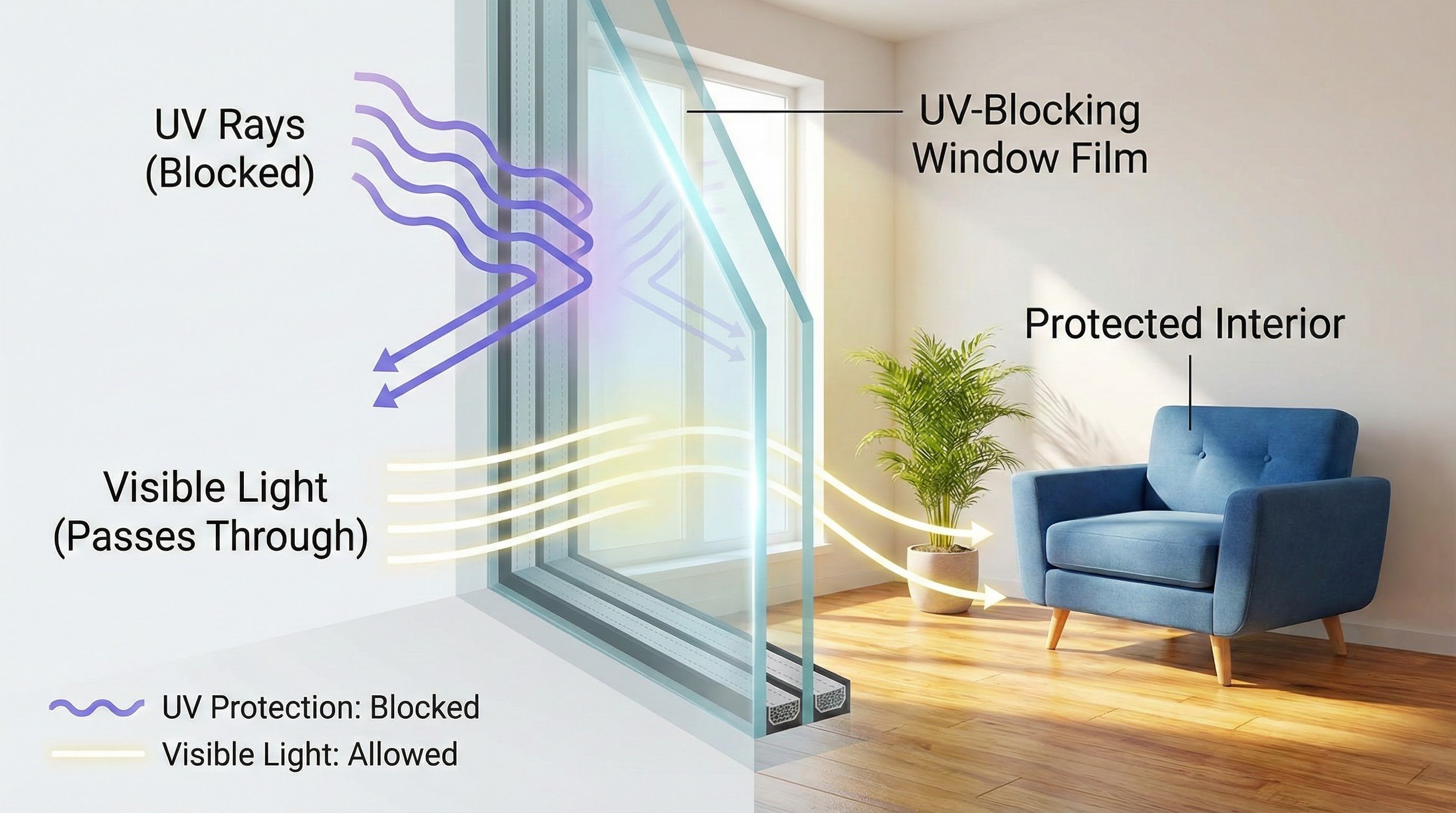
Window film protects interior surfaces by stopping harmful ultraviolet rays before they enter the space. Instead of trying to protect items after damage has started, window film works at the source by treating the glass itself.
To better understand how window film blocks harmful rays at the glass, this guide on types of window films and how they work explains the technology behind interior protection in simple terms.
UV blocking window film is applied directly to the inside of the glass. Once installed, it filters sunlight as it passes through the window. The film is designed to block most ultraviolet rays while still allowing visible light to enter.
By reducing UV exposure, the film slows the chemical breakdown that causes fading. Floors, furniture, fabrics, and finishes receive far less damaging energy throughout the day.
High-quality window film can block up to 99 percent of ultraviolet rays. This level of protection significantly reduces the rate at which fading occurs.
While sunlight still enters the room, the most damaging part of that light is greatly reduced. This makes window film one of the most effective tools for interior protection.
Window film dramatically slows fading, but it does not stop aging completely. Over many years, materials will still change naturally.
However, by reducing UV exposure, window film can extend the life of floors and furniture by several times. It helps preserve original colors and finishes far longer than untreated glass.
Different interior materials react to sunlight in different ways. Window film provides broad protection by reducing UV exposure across all surfaces near windows.
Hardwood floors are especially vulnerable to fading. Sunlight can cause uneven color changes, leaving light patches near windows and darker areas elsewhere.
Window film helps protect wood by limiting UV exposure. This slows discoloration and helps maintain a consistent floor appearance over time.
Fabric-covered furniture fades quickly when exposed to sunlight. Upholstery dyes break down, leading to uneven color and weakened fibers.
By blocking UV rays, window film helps preserve fabric color and strength. This is especially important for items placed near windows or in sunlit rooms.
Area rugs and carpets often show fading patterns caused by sunlight. Wall finishes and decorative elements can also lose color over time.
Window film reduces the intensity of harmful rays across the room. This provides consistent protection for all interior finishes, not just furniture.
Curtains and blinds are often the first solutions people consider for sun protection. While they can reduce brightness, they do not always provide reliable protection against fading.
Curtains and blinds only protect interiors when they are closed. When open, sunlight passes through freely and exposes floors and furniture to UV rays.
Many fabrics used in curtains also allow UV light to pass through. This means fading can still occur even when window coverings are in place. Keeping blinds closed all day also reduces natural light and changes how a room feels.
Window film works continuously because it is applied directly to the glass. It blocks harmful UV rays regardless of the time of day or whether window coverings are open.
This allows rooms to stay bright while still protecting interior surfaces. Window film offers consistent, passive protection without daily adjustments or sacrificing natural light.
A common concern about window film is whether it will make rooms darker or block views. Modern window films are designed to protect interiors while preserving natural light and visibility.
Many modern films are designed to protect interiors without darkening rooms, which is explained in this overview of 3M window film benefits and types.
UV blocking window film targets ultraviolet rays, not visible light. This allows sunlight to enter the space while reducing the most damaging part of solar energy.
Rooms remain bright and comfortable. Natural daylight continues to enhance the look and feel of the interior without increasing fading risk.
Window film comes in both clear and tinted options. Clear films focus primarily on UV protection and are ideal when maintaining original window appearance is important.
Tinted films can offer additional benefits like glare reduction or heat control. Even with light tints, modern films are designed to avoid making spaces feel dark.
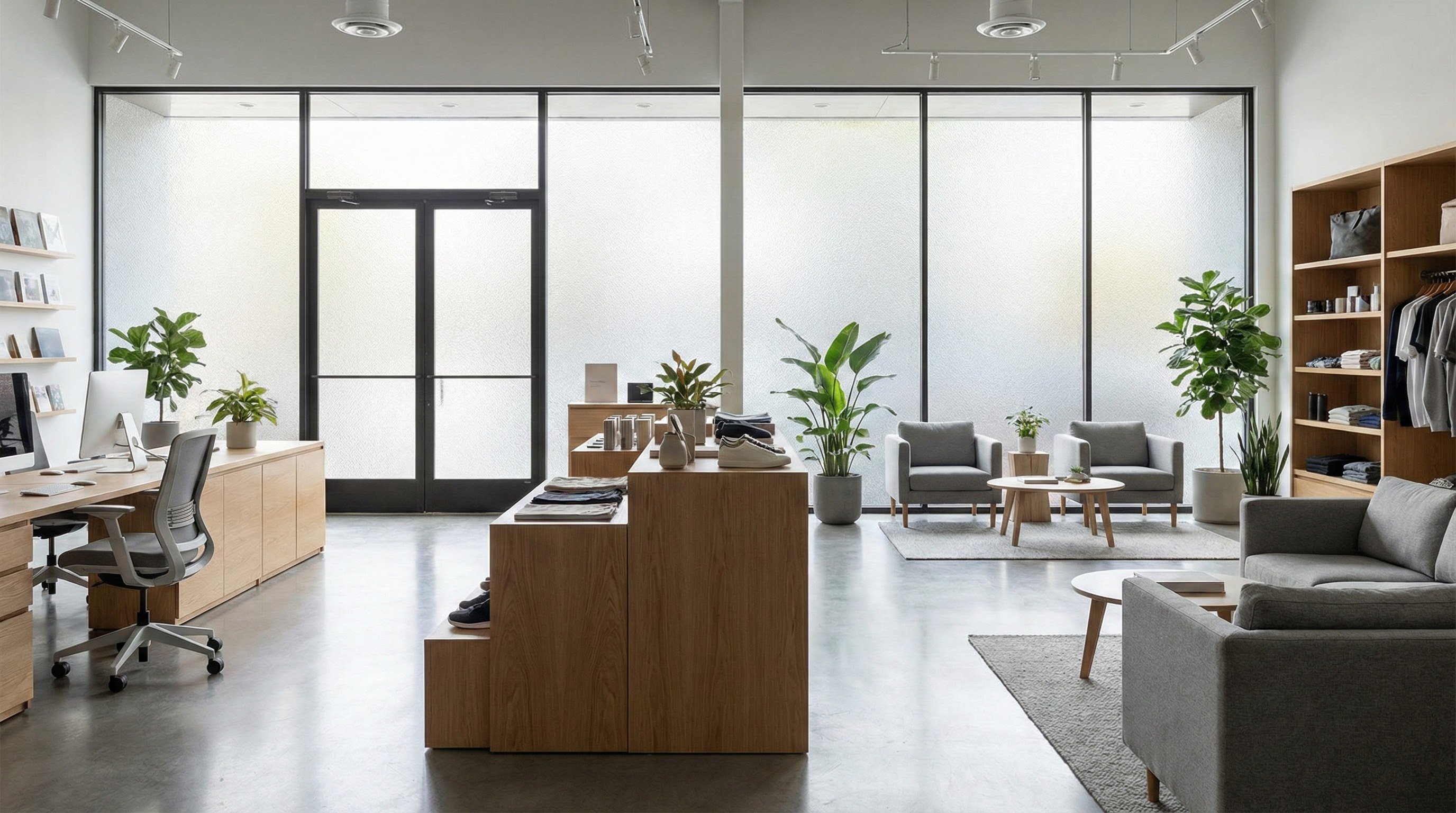
Commercial spaces often have large glass areas and valuable interior finishes. Sun exposure can quickly damage these materials if left unprotected. Window film provides a practical solution for long-term interior preservation.
Retail environments rely on color and presentation. Sunlight can fade products, displays, and signage, reducing their visual appeal.
Window film helps protect merchandise by blocking UV rays at the glass. This allows stores to maintain bright spaces without risking product damage.
Offices often have open layouts with large windows. Sunlight can fade flooring, desks, and seating near windows over time.
Window film reduces UV exposure across the workspace. This helps preserve furniture and flooring while keeping offices naturally lit.
Lobbies and shared areas create first impressions. Faded finishes or uneven flooring can affect how a building is perceived.
By protecting these spaces from sun damage, window film helps maintain a clean and professional appearance year after year.
There are several misunderstandings about what causes fading and how interior protection works. Clearing up these myths helps set realistic expectations.
Many people believe heat is the primary reason floors and furniture fade. In reality, ultraviolet rays cause most of the damage.
Even in rooms that feel cool, UV exposure can still break down colors and finishes. This is why fading can occur without noticeable heat.
Standard window glass blocks only a portion of ultraviolet light. A significant amount still passes through and reaches interior surfaces.
Window film adds a protective layer that glass alone cannot provide. This helps reduce UV exposure far more effectively.
UV rays are present even when the sun is not visible. Cloud cover reduces brightness, but it does not eliminate UV exposure.
This is why fading can continue throughout the year. Window film provides constant protection regardless of weather conditions.
Window film is often seen as a preventive investment. While it does not stop aging entirely, it plays a major role in preserving interior materials and reducing long-term damage.
If you are comparing different film technologies for long-term interior protection, this comparison of reflective, ceramic, and nano-carbon window films helps clarify which options perform best in buildings.
Replacing or refinishing floors and furniture can be expensive. Window film helps slow fading, which extends the life of these materials.
By reducing UV exposure, window film lowers the risk of uneven discoloration. This can delay costly repairs or replacements for many years.
Window film is especially valuable in spaces with large windows or strong sun exposure. Homes, offices, retail stores, and public buildings all benefit from interior protection.
It is also a smart choice when preserving appearance matters. Window film protects finishes and fabrics without changing how the space looks or feels.
Fading of floors and furniture is a gradual process caused mainly by ultraviolet rays entering through windows. Over time, this exposure can dull colors, weaken finishes, and reduce the life of interior materials.
Window film helps address this problem at its source. By blocking harmful UV rays at the glass, it slows fading while allowing natural light to remain. This makes it an effective solution for both residential and commercial spaces.
Protecting interiors early can prevent uneven discoloration and costly replacements later. Window film offers long-term value by preserving the look and condition of floors, furniture, and finishes.
If you want to protect your interiors from sun damage, contact American Window Film for expert guidance and professional installation tailored to your space.

No Comments Yet
Let us know what you think